
With the cost of vehicle ownership rising steadily, drivers everywhere are searching for practical ways to lower their monthly expenses. Among the various strategies to cut costs, usage-based car insurance has emerged as one of the most talked-about options. By shifting away from traditional demographic-based pricing, this modern approach promises to reward safe drivers with personalized, discounted premiums.
But how does usage-based car insurance actually work, and is the trade-off of sharing your driving data worth the potential savings? If you have ever wondered whether tracking your habits could lower your rates, this guide breaks down the mechanics, benefits, drawbacks, and major programs available today.
What Is Usage-Based Car Insurance?
Usage-Based Insurance (UBI), often referred to as telematics car insurance, is a type of auto insurance policy that determines your premium based on how, when, and how much you drive. Instead of relying solely on historical risk factors like your age, gender, zip code, and credit score, insurance companies use technology to monitor your real-time driving behavior.
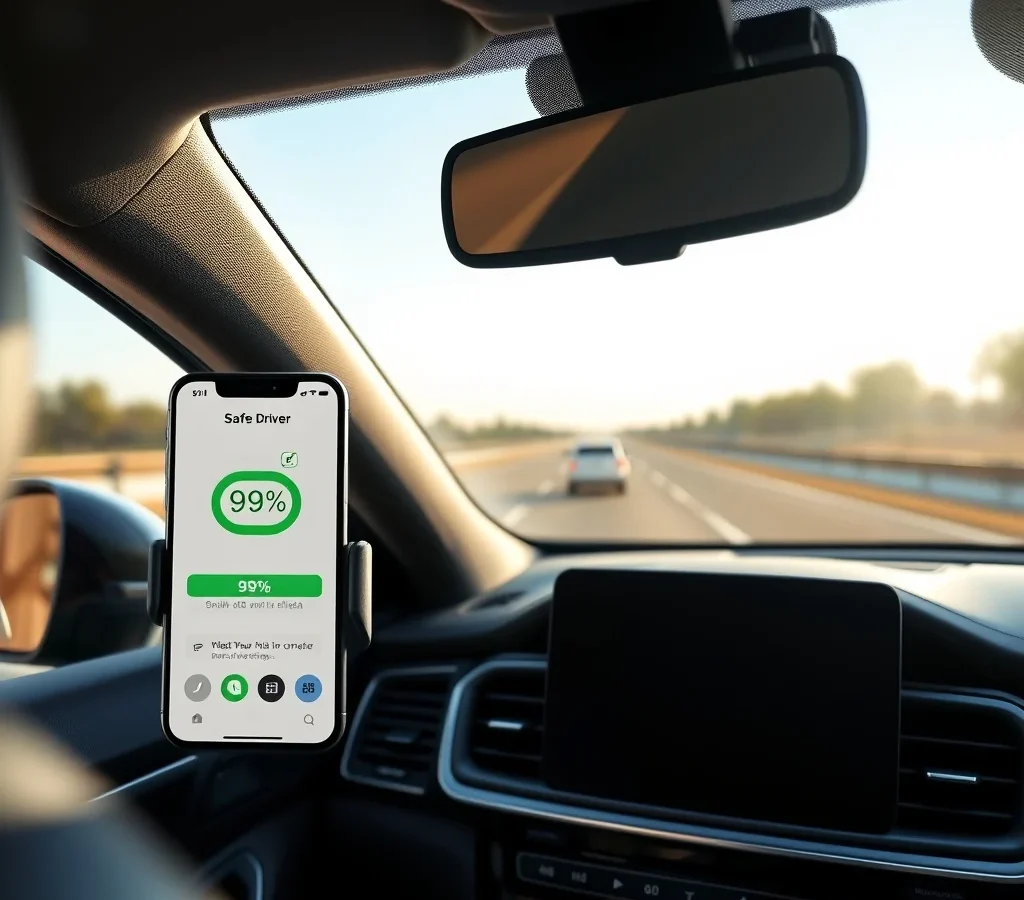
This technology typically operates through one of three methods: a small plug-in device connected to your vehicle’s OBD-II port, a built-in manufacturer system like OnStar, or a dedicated smartphone application. The data gathered is transmitted directly to the insurer, who analyzes it to assess your risk profile and calculate your discount.
How Telematics Systems Calculate Your Rates
To understand whether usage-based car insurance is right for you, it helps to know exactly what these systems are looking for. While every insurance provider uses a proprietary algorithm, most telematics programs track a core set of driving metrics:
- Braking Habits: Frequent, sudden, or hard braking is often flagged as a sign of tailgating or distracted driving. Smooth, gradual stops indicate a safer, more attentive driver.
- Acceleration Patterns: Rapid, aggressive acceleration can indicate high-risk behavior and is tracked closely by most telematics systems.
- Time of Day: Driving late at night, typically between 11:00 PM and 4:00 AM, is statistically linked to a higher frequency of severe accidents. Programs often penalize driving during these high-risk hours.
- Total Mileage: The less time you spend on the road, the lower your statistical probability of getting into an accident. Some programs combine behavior tracking with low-mileage discounts.
- Speeding: Consistently exceeding the speed limit or driving at excessively high speeds will negatively impact your safety score and reduce potential discounts.
Usage-Based vs. Traditional Car Insurance
Traditional car insurance relies heavily on actuary tables and demographic averages. If you belong to a demographic statistically prone to accidents, such as young drivers, you will face higher rates regardless of your personal driving habits. Usage-based car insurance attempts to level the playing field by focusing on individual performance.
| Feature | Usage-Based Insurance (UBI) | Traditional Car Insurance |
|---|---|---|
| Premium Basis | Real-time driving behavior and mileage | Demographics, driving history, and location |
| Tracking Method | Smartphone app, OBD-II device, or connected car | No active tracking required |
| Best For | Safe drivers, low-mileage drivers, and young drivers | High-mileage drivers and those valuing strict privacy |
| Potential Discount | Up to 30% to 40% for excellent driving scores | Standard discounts (bundling, paperless, etc.) |
| Risk of Rate Increase | Possible with some insurers if unsafe habits are tracked | None based on daily driving habits |
The Pros and Cons of Usage-Based Car Insurance
Before enrolling in a telematics program, it is essential to weigh the advantages against the potential drawbacks. While the promise of lower rates is appealing, the reality of constant monitoring may not suit every driver.
The Advantages
The primary benefit of usage-based car insurance is the opportunity to save money. Safe drivers can often secure discounts ranging from 10% to 40% off their standard premiums. This makes UBI highly attractive for drivers facing high traditional rates, such as teens, college students, and seniors.
Additionally, many telematics apps provide real-time feedback and coaching. By reviewing your daily trips, you can identify unsafe habits, such as hard braking or phone distraction, and actively work to improve your driving skills. For parents, these apps offer a valuable tool to monitor and guide teenage drivers.
The Disadvantages
The most common concern surrounding usage-based car insurance is privacy. Sharing continuous GPS location data, driving times, and behavioral metrics with a large corporation makes many drivers uncomfortable. While insurers claim this data is secured, the idea of constant surveillance is a significant deterrent for some.
Furthermore, not all drivers will qualify for a discount. If your daily commute involves heavy stop-and-go traffic, you may frequently trigger “hard braking” alerts through no fault of your own. Similarly, if your job requires you to work late-night shifts, your premium could be negatively impacted by the high-risk hours you are forced to drive.
Major Insurance Providers Offering Telematics
Most major auto insurance companies now offer some form of usage-based program. Each program has unique features, trial periods, and discount structures:
- Progressive Snapshot: One of the pioneers in the space, Snapshot tracks braking, acceleration, mileage, and mobile phone use while driving. Progressive offers an initial enrollment discount, but poor driving can theoretically increase your rates in some states.
- State Farm Drive Safe & Save: This program uses your smartphone or vehicle’s Bluetooth beacon to track driving. It offers a guaranteed discount just for signing up, with opportunities to save up to 30% based on your performance.
- Allstate Drivewise: Drivewise monitors speed, safe braking, and driving hours. Users can earn cash back or premium discounts every six months for maintaining safe driving habits.
- Nationwide SmartRide: SmartRide is a popular option because it offers a locked-in discount. Once your tracking period (usually 4 to 6 months) is complete, your discount is permanently applied to your policy, and the tracking device can be returned.
Expert Tips for Maximizing Your Discount
If you decide to try a usage-based car insurance program, you can maximize your potential savings by adopting a few strategic driving habits:
- Increase your following distance: By leaving more space between your vehicle and the car in front of you, you will drastically reduce the need for sudden, hard braking.
- Avoid late-night driving: Whenever possible, plan your trips to avoid driving during the high-risk late-night hours designated by your insurer.
- Accelerate smoothly: Treat your gas pedal gently. Imagine you have a cup of water on your dashboard that you do not want to spill.
- Minimize phone usage: Many modern telematics apps use your phone’s gyroscope to detect when the device is being held or used while the vehicle is in motion. Keep your phone mounted or put it away entirely.
Common Mistakes to Avoid
Many drivers fail to secure their expected discounts due to easily avoidable mistakes. First, do not assume that enrolling automatically guarantees a massive discount; you must actively demonstrate safe habits to earn the reward. Second, ensure that the app is properly configured on your phone with the correct permissions. If the app stops tracking due to battery-saver settings, you may lose your enrollment status.
Another common mistake is failing to classify trips where you were a passenger. If you ride in a taxi, ride-share, or public transit, the app may mistakenly attribute that driving behavior to you. Regularly check your trip log and manually correct any trips where you were not the driver.
Frequently Asked Questions
Does usage-based car insurance track your location?
Yes, most smartphone-based telematics programs use GPS to track your location. This data helps the insurer determine the routes you take, the speed limits of the roads you travel, and the safety of the areas where you drive. If you are uncomfortable sharing your location, you may want to opt out of these programs.
Can my car insurance rates go up with telematics?
It depends on your insurance provider and the state in which you live. While many companies promise that your rates will only go down or stay the same, some insurers, such as Progressive, reserve the right to increase premiums for drivers who consistently exhibit highly risky behaviors, like excessive speeding or severe hard braking.
How much money can you actually save with usage-based insurance?
Savings vary widely depending on the provider and your driving habits. Most safe drivers save between 10% and 15%, while exceptionally safe, low-mileage drivers can achieve discounts of up to 30% or 40%. Many programs also offer a small discount of 5% to 10% just for signing up and completing the initial setup.
What is the difference between pay-per-mile and pay-how-you-drive?
Pay-per-mile insurance charges a flat daily rate plus a small per-mile fee, making it ideal for low-mileage drivers regardless of their driving style. Pay-how-you-drive programs focus primarily on your behavior, such as braking and acceleration, to calculate a percentage-based discount on your standard premium.
Does usage-based insurance drain your smartphone battery?
Because telematics apps run in the background and utilize GPS, Bluetooth, and cellular data, they can consume more battery power than standard apps. Most insurance companies recommend keeping your phone connected to a car charger during your commute to prevent significant battery drain.
Is usage-based car insurance good for young drivers?
Yes, usage-based insurance is highly beneficial for young drivers who face exceptionally high traditional premiums. By demonstrating safe driving habits early on, teens and college students can bypass some of the high costs associated with their age demographic and secure substantial discounts.
How long do insurance companies track your driving?
The tracking duration varies by program. Some insurers require continuous monitoring for as long as you hold the policy to maintain your discount. Others, like Nationwide SmartRide, only require a tracking period of four to six months, after which your discount is finalized and tracking ends.
What happens if someone else drives my car while using a telematics app?
If you use a smartphone app, it may register the trip even if someone else is driving your vehicle. Most apps allow you to review your trip history and change your status from “driver” to “passenger” or “passenger in another vehicle” to ensure your score is not affected by another person’s driving habits.
Conclusion
Usage-based car insurance offers a modern, personalized alternative to traditional auto insurance policies. For safe, low-mileage drivers and those facing high demographic-based rates, telematics programs represent an excellent opportunity to take control of monthly premium costs. However, the trade-off of sharing personal driving data and location history requires careful consideration.
If you are comfortable with digital tracking and confident in your safe driving habits, enrolling in a usage-based program is a highly effective way to lower your auto insurance expenses. To find the best fit for your needs, compare quotes from multiple providers and review the specific tracking metrics and privacy policies of their respective telematics programs.