
The cost of auto insurance has climbed steadily over recent years, leaving many drivers searching for practical ways to lower their monthly premiums. Traditional insurance policies rely heavily on static demographic factors like your age, gender, ZIP code, credit score, and driving history to determine your rates. However, a modern alternative is rapidly gaining traction: usage-based car insurance. By leveraging real-time technology, this model shifts the focus from who you are on paper to how you actually behave behind the wheel.
Usage-based car insurance, also known as telematics insurance, promises to reward safe drivers with significantly lower premiums. But is tracking your every move on the road truly worth the savings? In this comprehensive guide, we will explore how these programs work, analyze the potential benefits and drawbacks, and help you decide if making the switch is the right financial move for you.
What Is Usage-Based Car Insurance?
Usage-based car insurance is a type of auto insurance policy that calculates your premium based on your actual driving habits and mileage rather than historical demographic data alone. Instead of paying a flat rate every month, your cost is directly tied to how safely, how far, and when you drive.
This personalized approach to pricing is made possible by telematics technology. Telematics combines telecommunications and informatics to transmit driving data from your vehicle directly to your insurance provider. By analyzing this data, insurers can assess your individual risk level with high precision, offering discounts to those who exhibit low-risk driving behaviors.
How Telematics Technology Tracks Your Driving
To participate in a usage-based car insurance program, you must allow your insurance company to monitor your driving. Insurers collect this data through one of three primary methods:
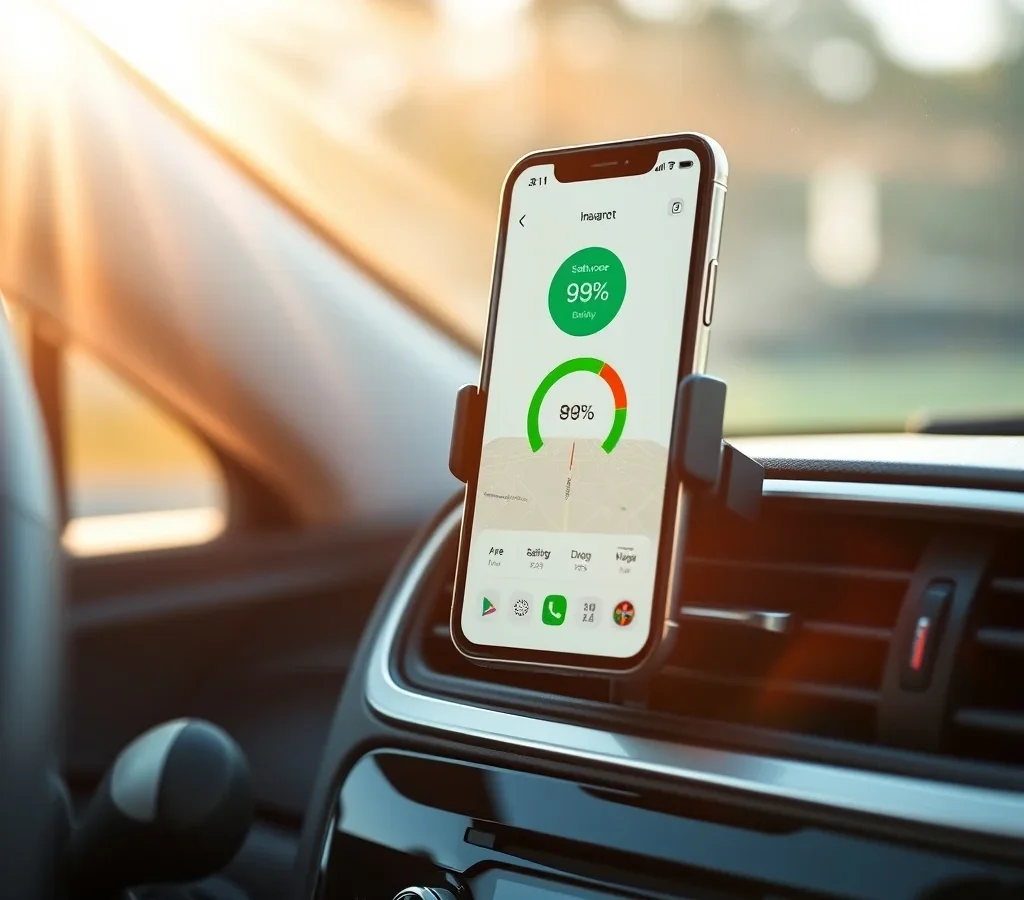
- Mobile Apps: This is the most common method today. You download the insurer’s proprietary app onto your smartphone. The app runs in the background, using your phone’s GPS, accelerometer, and gyroscope to detect trips and analyze your driving habits.
- Plug-In Devices: The insurer sends you a small device that plugs directly into your car’s OBD-II port (usually located under the dashboard). This hardware device tracks vehicle diagnostics, speed, and mileage, transmitting the data wirelessly back to the company.
- Built-In Systems: Many modern connected vehicles come equipped with built-in telematics systems like OnStar or FordPass. If your car is compatible, you can authorize your insurer to pull driving data directly from the vehicle without needing an external app or plug-in device.
Regardless of the method used, the tracking window varies by insurer. Some companies require you to track your driving continuously for the life of the policy to maintain your discount. Others only track your habits for a introductory period—typically 90 days—to establish a permanent discount rate.
What Do Telematics Programs Actually Track?
Insurance companies look at several key metrics to determine how safe of a driver you are. While specific criteria vary by insurer, most telematics programs monitor the following driving behaviors:
- Braking Habits: Frequent, sudden deceleration (hard braking) is one of the strongest indicators of high-risk driving. It often suggests tailgating or distracted driving.
- Acceleration: Rapid acceleration or “jackrabbit starts” indicate aggressive driving habits that increase the likelihood of an accident.
- Speeding: Consistently driving above the speed limit or driving at high speeds relative to traffic flow will negatively impact your safety score.
- Cornering: Making sharp, aggressive turns at high speeds indicates a lack of vehicle control.
- Time of Day: Driving during high-risk hours, such as late at night (typically between 12:00 AM and 4:00 AM), increases your risk due to fatigue, poor visibility, and a higher prevalence of impaired drivers.
- Mileage: The less time you spend on the road, the lower your chances of getting into an accident. Some programs focus almost entirely on the number of miles you drive.
The Two Main Types of Usage-Based Insurance
Before signing up, it is important to understand that usage-based car insurance generally falls into two distinct categories:
1. Pay-How-You-Drive (PHYD)
This is the classic telematics model. Your premium is based on the quality of your driving. You receive a baseline rate, and your driving habits (braking, speed, cornering) are monitored over time. If you drive safely, you earn a discount—often ranging from 10% to 40% off your premium.
2. Pay-Per-Mile (PPM)
This model is strictly focused on quantity rather than quality. With pay-per-mile insurance, your monthly bill is split into two parts: a flat daily or monthly base rate, plus a per-mile rate for every mile you actually drive. If your car sits in the garage most of the week, your bill will be incredibly low, making this ideal for remote workers and city dwellers.
Comparing Traditional vs. Usage-Based Car Insurance
To help you visualize how these options stack up against one another, consider the following comparison table:
| Feature | Traditional Insurance | Pay-How-You-Drive (PHYD) | Pay-Per-Mile (PPM) |
|---|---|---|---|
| Pricing Basis | Demographics, location, driving record | Driving behavior (braking, speed, time of day) | Flat base rate + a fixed fee per mile driven |
| Best For | Commuters with long, predictable drives | Safe, defensive drivers with moderate mileage | Low-mileage drivers, remote workers, retirees |
| Potential Savings | Standard discounts only (claims-free, multi-policy) | Up to 30% to 40% off based on driving score | Significant savings for those driving under 10,000 miles/year |
| Privacy Level | High (no real-time location or habit tracking) | Moderate to Low (continuous driving behavior monitored) | Moderate (only mileage and sometimes location tracked) |
| Risk of Rate Increase | None during policy term (unless you file a claim) | Low to Moderate (some insurers penalize poor driving) | None (rate fluctuates only based on miles driven) |
The Pros and Cons of Usage-Based Car Insurance
As with any financial product, usage-based car insurance comes with its own set of advantages and disadvantages. Weighing these carefully will help you make an informed choice.
The Pros
- Immediate Savings Potential: Many insurers offer an immediate sign-up discount of 5% to 10% just for enrolling in their telematics program.
- Fairer Pricing: Drivers are priced based on their actual behavior rather than being generalized into a high-risk demographic group (such as young drivers).
- Encourages Safer Driving: Knowing that your driving is being monitored acts as a powerful incentive to avoid speeding, tailgating, and distracted driving.
- Excellent for Low-Mileage Drivers: If you work from home or use public transit, pay-per-mile options can cut your insurance costs in half.
The Cons
- Privacy Concerns: Many drivers are uncomfortable with the idea of their insurance company tracking their location, travel times, and physical movements 24/7.
- Potential for Premium Increases: While most insurers promise they won’t raise your rates for poor driving, some companies do reserve the right to increase premiums if the data shows you are a high-risk driver.
- Inflexible Algorithms: Telematics apps cannot understand context. If you slam on your brakes to avoid a sudden hazard or an animal running into the road, the algorithm will flag it as a negative “hard braking” event.
- Battery and Data Drain: Smartphone-based tracking apps run continuously in the background, which can drain your phone’s battery and consume mobile data.
Privacy and Data Security Concerns
For many drivers, the primary barrier to adopting usage-based car insurance is privacy. Telematics programs collect a massive amount of personal data, including your precise location, the routes you take, and the times you are away from home. This raises valid questions about who has access to this information.
Before signing up, read the insurer’s privacy policy carefully. Reputable insurance companies explicitly state that they do not sell your driving data to third-party marketers. However, this data can potentially be subpoenaed in legal proceedings. For example, if you are involved in an accident, the opposing legal team could request your telematics data to prove you were speeding or driving aggressively prior to the collision.
Expert Tips to Maximize Your Telematics Discount
If you decide to try a usage-based insurance program, follow these practical strategies to ensure you get the highest discount possible:
- Leave Plenty of Following Distance: To avoid hard braking flags, maintain a generous buffer zone between your vehicle and the car in front of you. This gives you ample time to come to a smooth, gradual stop.
- Avoid Late-Night Driving: Try to limit your driving between midnight and 4:00 AM. If you work a night shift, a telematics program that heavily weights the time of day may not be suitable for you.
- Accelerate Gently: Treat every start from a red light or stop sign as a gradual ramp-up. Avoid pushing the gas pedal down aggressively.
- Monitor Your Phone Usage: Some telematics apps use your phone’s internal sensors to detect if you are actively handling your phone while the vehicle is in motion. Keep your phone mounted on a dashboard clip and use hands-free controls exclusively.
- Review Your Weekly Reports: Most telematics apps provide a dashboard showing your driving score and highlighting specific areas where you can improve. Check this regularly to adjust your habits.
Common Mistakes to Avoid
- Assuming all programs are the same: Do not enroll without checking whether the insurer can raise your rates for bad driving. Opt for programs that offer “discount-only” guarantees if you are hesitant.
- Allowing passengers to drive with your phone app active: If someone else is driving your car aggressively while your phone is in the vehicle, the app may attribute that bad driving to you. Many apps allow you to classify a trip as “passenger” after the fact, so make sure to correct these trips.
- Ignoring the trial period: If your program only monitors you for 90 days, be on your absolute best driving behavior during this window. A temporary sacrifice in convenience can lock in a permanent discount for years.
- Failing to adjust your coverage: Do not let a telematics discount distract you from reviewing your actual coverage limits and deductibles. A cheap premium is useless if your policy leaves you underinsured.
Frequently Asked Questions
What is usage-based car insurance?
Usage-based car insurance is an auto insurance model where your premium is determined by your actual driving behavior, such as speed, braking, mileage, and time of day, tracked via a mobile app, plug-in device, or built-in vehicle system.
Can usage-based car insurance raise my rates?
It depends on the insurance company. Some insurers guarantee that your rates will not go up based on your telematics data, meaning you can only earn a discount or keep your base rate. However, other companies reserve the right to increase your premiums if the data reveals high-risk driving habits.
What driving habits does telematics track?
Telematics systems primarily track hard braking, rapid acceleration, high-speed driving, sharp cornering, total mileage, and the specific times of day you are on the road, with late-night driving generally flagged as high-risk.
Is my personal data safe with usage-based insurance?
Most major insurance providers use advanced encryption to secure your data and state in their privacy agreements that they do not sell your personal driving history to third parties. However, this data could potentially be accessed via a legal subpoena in the event of an accident investigation.
How much money can I actually save with a telematics program?
While savings vary, many safe drivers save between 10% and 30% off their standard premiums. Some highly competitive programs offer maximum potential discounts of up to 40% for exceptionally safe driving habits.
Does usage-based insurance track location via GPS?
Yes, most smartphone apps and some plug-in telematics devices use GPS to track your location. This helps the insurer calculate mileage, determine the types of roads you travel on, and assess the safety of your routes.
Is pay-per-mile different from pay-how-you-drive?
Yes. Pay-per-mile insurance charges you a flat base rate plus a set fee per mile driven, regardless of how you drive. Pay-how-you-drive insurance assesses the quality of your driving habits to determine a performance-based discount on your premium.
What happens if I have to slam on my brakes to avoid an accident?
A single hard braking event to avoid a hazard will not ruin your score. Telematics algorithms look for patterns of behavior over time. If you consistently drive safely and only brake hard in rare, genuine emergencies, you can still qualify for a top-tier discount.
Conclusion: Is Usage-Based Car Insurance Right for You?
Usage-based car insurance represents a powerful shift toward personalized, transparent auto insurance pricing. If you are a defensive driver, a low-mileage commuter, or someone who avoids driving late at night, enrolling in a telematics program can yield substantial monthly savings. However, if you value absolute privacy, have a long daily commute, or frequently drive during late-night hours, a traditional policy may still be the best fit for your lifestyle.
If you are on the fence, consider trying a trial program. Many major insurance companies allow you to test their telematics app for a few weeks without altering your current policy, giving you a risk-free preview of your potential savings.