
The landscape of vehicle ownership is undergoing a massive transformation, and with it, the way we protect our vehicles is shifting. As we look toward the horizon, auto insurance trends 2026 point to a highly digitized, personalized, and data-driven marketplace. Drivers are no longer judged solely by traditional demographic markers like age, zip code, or gender. Instead, real-time behavior, advanced vehicle technology, and macro-environmental factors are taking center stage in determining what you pay for coverage.
Understanding these shifts is crucial for any vehicle owner looking to manage their household budget. Rates have climbed significantly over the past few years due to inflation, rising repair complexities, and supply chain bottlenecks. By anticipating the major changes coming to the industry, you can position yourself to secure the most competitive rates and avoid unexpected premium spikes.
The Driving Forces Behind Auto Insurance Trends in 2026
Several disruptive forces are converging to reshape how insurance products are designed, priced, and serviced. From the integration of artificial intelligence to the widespread adoption of connected vehicle technology, the industry is moving away from reactive coverage toward proactive risk management.
Hyper-Personalization Through Telematics
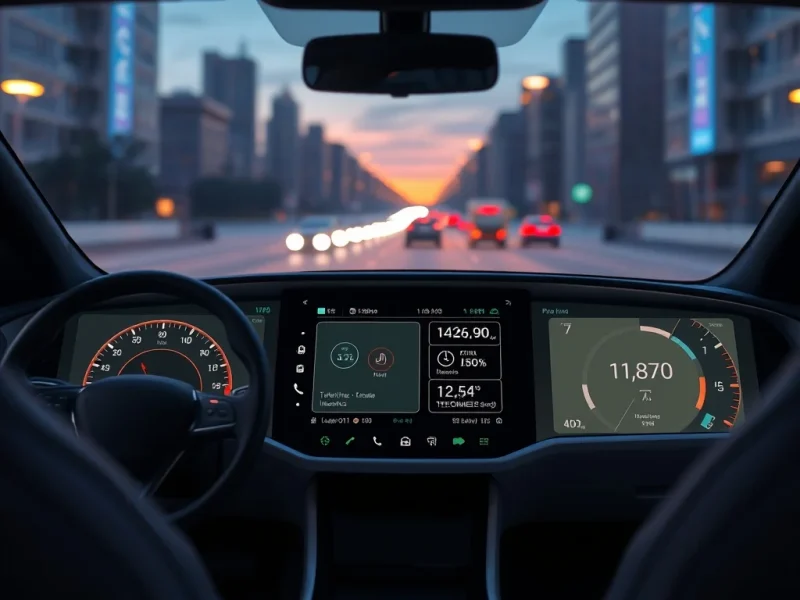
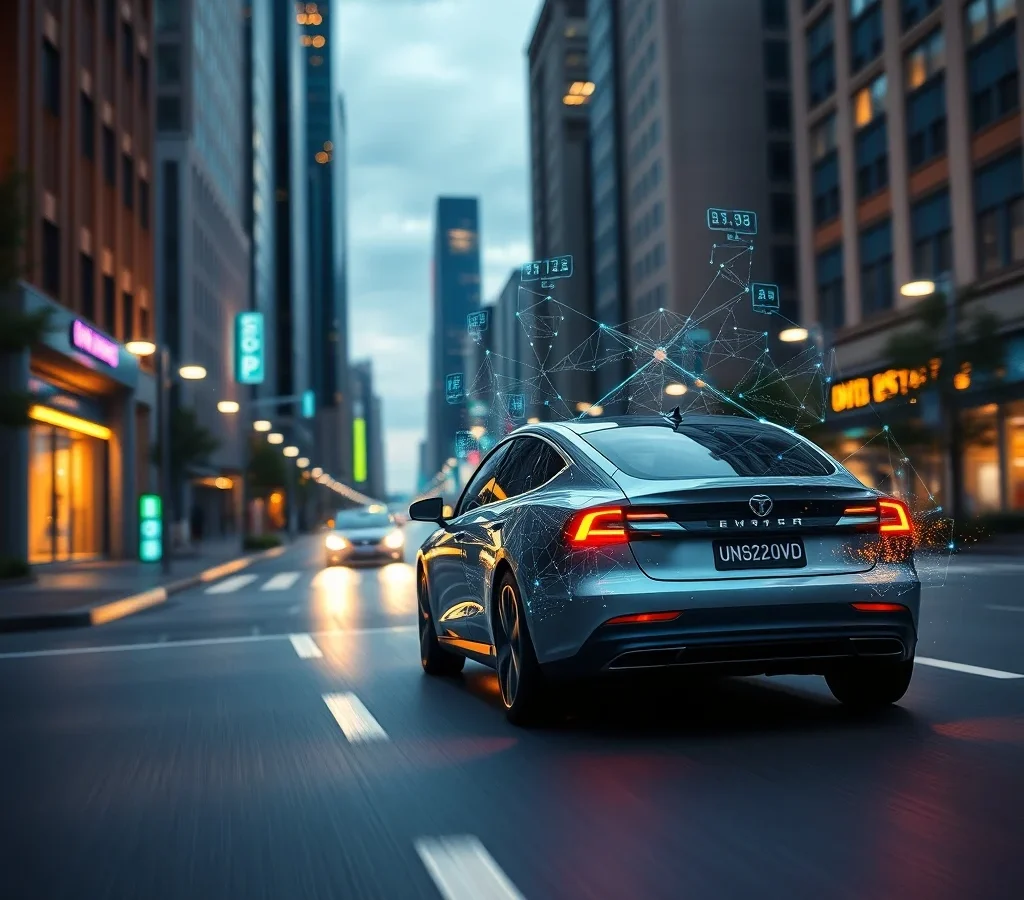
The days of static, one-size-fits-all insurance policies are rapidly fading. By 2026, usage-based insurance (UBI) and telematics will transition from optional discount programs to industry standards. Telematics technology uses mobile apps or built-in vehicle sensors to track driving habits, including acceleration, braking patterns, speed, and the time of day the vehicle is operated.
For safe drivers, this shift represents a massive opportunity to lower costs. Instead of being grouped into broad risk categories, your premium will directly reflect how safely you navigate the roads. However, this level of personalization also means that high-risk behaviors will be penalized more quickly and transparently than ever before.
Artificial Intelligence in Claims Processing
Artificial intelligence is no longer a futuristic concept; it is the operational backbone of modern insurance companies. In 2026, AI-driven claims processing will drastically reduce the time it takes to settle a claim after an accident. Through computer vision, policyholders can upload photos of vehicle damage directly to an app, where algorithms instantly estimate repair costs and initiate payouts.
This automation benefits consumers by eliminating weeks of administrative delays. For insurers, it reduces overhead expenses, which theoretically helps stabilize premium rates across the board. However, it also places a premium on digital literacy, as drivers must become comfortable interacting with virtual claims assistants.
How Climate Change and EV Adoption Impact 2026 Rates
Beyond technology, physical and environmental realities are heavily influencing the auto insurance market. Two major factors driving underwriting changes are the rapid rise of electric vehicles (EVs) and the increasing frequency of severe weather events.
The Rising Cost of Electric Vehicle Repairs
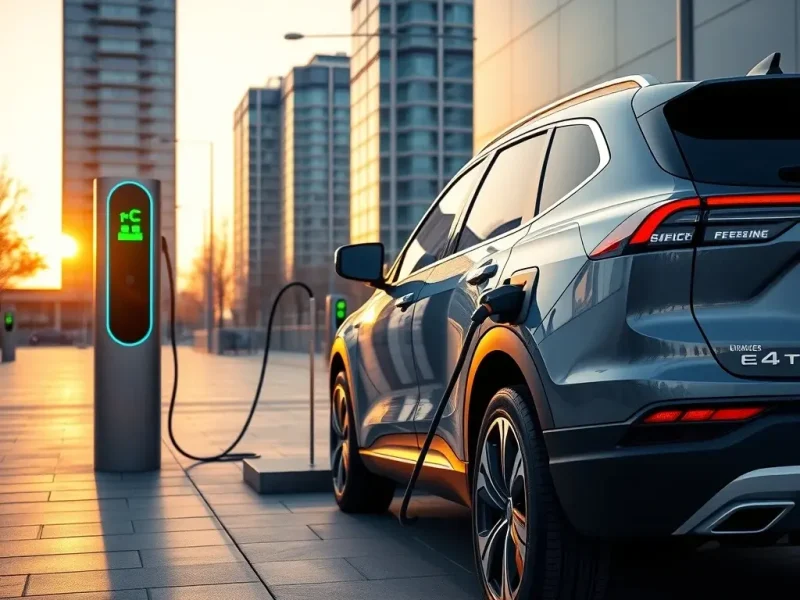
Electric vehicles are becoming a common sight on highways worldwide, but their unique engineering presents distinct challenges for insurers. EVs are packed with sensitive sensors, heavy battery packs, and specialized materials that require certified technicians to repair. Even a minor fender bender can compromise an EV’s battery array, often leading to a total loss write-off where a gas-powered vehicle would have been easily repaired.
Consequently, insuring an electric vehicle in 2026 remains more expensive than insuring a traditional internal combustion engine vehicle. Insurers are still adjusting their risk models to account for these high repair costs and the relative scarcity of specialized repair facilities.
Severe Weather and Regional Rate Spikes
Climate risk is no longer just a concern for home insurers. Auto insurers are experiencing unprecedented comprehensive claims due to extreme weather events, including flash floods, severe hailstorms, and wildfires. Vehicles parked in high-risk regions are increasingly vulnerable to environmental damage.
As a result, geographical location will play an even more pronounced role in premium calculations. Drivers living in coastal areas or storm-prone regions can expect their comprehensive coverage costs to rise, reflecting the increased likelihood of climate-related vehicle damage.
Comparing Key Auto Insurance Models in 2026
To help you navigate the evolving marketplace, the table below compares the primary insurance models available in 2026, highlighting their target demographics and cost structures.
| Insurance Model | Best For | Pricing Structure | Key Advantage |
|---|---|---|---|
| Traditional Insurance | Drivers who value privacy and prefer predictable monthly bills. | Flat monthly premium based on demographics and driving record. | No active monitoring or data sharing required. |
| Telematics / UBI | Safe, defensive drivers and those with short, predictable commutes. | Variable rates adjusted periodically based on driving behavior. | High potential for significant safe-driver discounts. |
| Pay-Per-Mile | Remote workers, retirees, and multi-vehicle households. | Low base rate plus a flat fee per mile driven each month. | Extremely cost-effective for low-mileage drivers. |
Actionable Strategies to Lower Your Premiums in 2026
While macroeconomic factors are driving overall rates upward, you still have significant control over what you ultimately pay. Implementing proactive financial strategies can help mitigate the impact of rising costs.
- Embrace Telematics Programs: If you are a safe driver, enrolling in your insurer’s telematics program is one of the fastest ways to secure a double-digit discount.
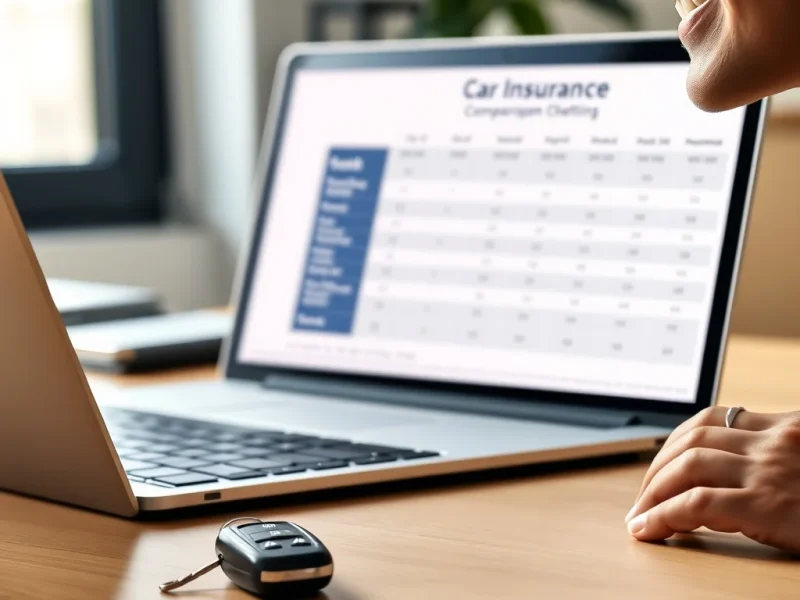
- Shop and Compare Annually: The insurance market is highly competitive. Use online comparison tools at least once a year to ensure your current carrier is still offering the best rate.
- Bundle Your Policies: Combining your auto insurance with home, renters, or life insurance remains one of the most reliable ways to secure multi-policy discounts.
- Adjust Your Deductibles: Raising your comprehensive and collision deductibles from $500 to $1,000 can lower your monthly premium payments significantly, provided you have the savings to cover the deductible in an emergency.
Expert Tips for 2026 Drivers
- Audit Your Mileage: If your daily commute has changed permanently due to hybrid or remote work, update your annual mileage with your insurer immediately. Overestimating your mileage is an easy way to overpay.
- Inquire About Embedded Insurance: When purchasing a new vehicle, check if the manufacturer offers embedded insurance. Companies like Tesla are increasingly offering competitive, integrated insurance products directly through the vehicle’s operating system.
- Maintain a Clean Credit Profile: In most states, insurers use credit-based insurance scores to assess risk. Keeping your credit utilization low can directly translate to lower car insurance rates.
Common Mistakes to Avoid
- Letting Policies Autorenew Without Review: Many drivers assume their renewal rate is the best deal. Always review your policy details and compare rates before allowing a policy to automatically renew.
- Underinsuring for the Sake of a Low Premium: Opting for state-minimum liability coverage to save money can leave you financially devastated if you are involved in a major accident. Balance affordability with adequate liability limits.
- Failing to Report Safety Upgrades: Modern cars are equipped with advanced driver assistance systems (ADAS) like automatic emergency braking and lane-keep assist. Ensure your insurer knows about these features, as they often qualify for safety discounts.
Frequently Asked Questions
What are the major auto insurance trends in 2026?
The major trends include the widespread adoption of telematics and usage-based insurance, the integration of artificial intelligence for rapid claims processing, rising repair costs for electric vehicles, and premium adjustments driven by climate-related severe weather risks.
Will telematics lower my car insurance rates in 2026?
Yes, if you practice safe driving habits. Telematics programs reward gentle braking, moderate speeds, and daytime driving with substantial discounts. However, consistently aggressive driving could lead to higher premiums depending on your carrier’s policy.
Why are electric vehicle insurance rates higher?
Electric vehicles cost more to insure because they feature expensive high-tech components, proprietary battery packs, and require specialized labor for repairs. A minor collision that damages the battery can often result in the vehicle being declared a total loss.
How is AI being used by auto insurance companies?
Insurers use AI to streamline customer service, detect fraudulent claims, and automate damage assessments. Policyholders can often submit photos of a minor accident via an app, and an AI algorithm can generate a repair estimate within minutes.
What is pay-per-mile insurance and is it worth it?
Pay-per-mile insurance charges a low monthly base rate plus a flat per-mile fee. It is highly cost-effective for low-mileage drivers, such as remote workers, retirees, or urban residents who rely primarily on public transit.
How do climate events affect my auto insurance premiums?
Increasingly frequent severe weather events, such as floods, wildfires, and hailstorms, lead to a higher volume of comprehensive insurance claims. To offset these losses, insurers raise premiums, particularly for drivers living in high-risk geographic areas.
Can I opt out of data sharing with my insurance company?
Yes, you can choose traditional insurance policies that do not require telematics tracking. However, opting out of data sharing means you will not be eligible for the behavior-based discounts that telematics programs offer.
How can I find the most affordable car insurance in 2026?
To find the best rates, shop around annually, maintain a clean driving record, leverage telematics if you are a safe driver, bundle your policies, and ask your agent about all available discounts, such as those for safety features or defensive driving courses.
Preparing for the Future of Auto Insurance
The auto insurance landscape of 2026 is faster, more personalized, and heavily influenced by technological and environmental realities. While these shifts can feel overwhelming, they also put more control back into the hands of the consumer. By understanding how your driving habits, vehicle type, and location affect your risk profile, you can make informed decisions that keep your coverage robust and your premiums manageable.
Ready to see how much you could save under the latest insurance models? Take action today by comparing quotes online and exploring usage-based options with your current provider to ensure you are getting the value you deserve.