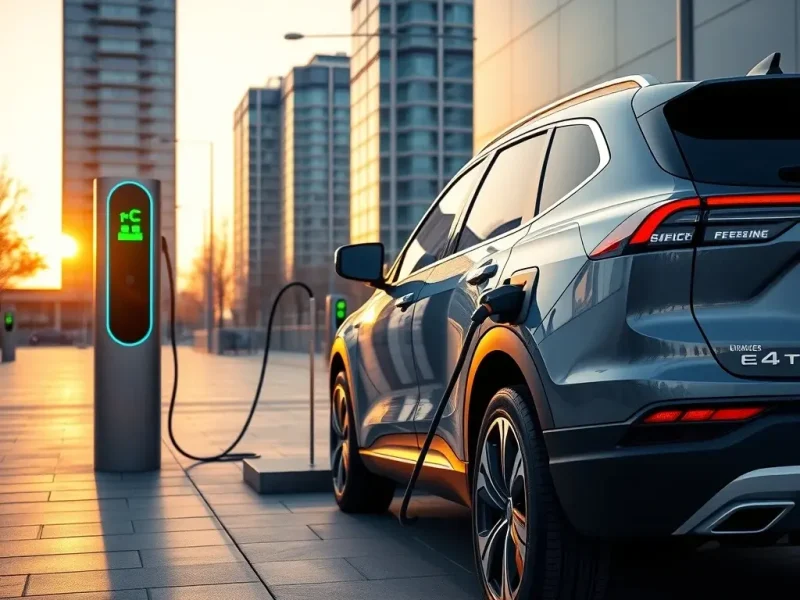

Transitioning to an electric vehicle (EV) is an exciting milestone. Drivers enjoy instant torque, quiet cabins, and the satisfaction of bypassing the gas pump entirely. However, many new owners experience a sudden shock when they transition from dealership to driving seat: the cost of electric vehicle insurance. While EVs save money on fuel and routine maintenance, protecting them on the road requires a nuanced understanding of specialized auto insurance policies.
Insuring an electric car is fundamentally different from insuring a traditional internal combustion engine (ICE) vehicle. From the complex technology embedded in the bumpers to the massive battery packs running along the chassis, EVs present unique risks and costs for insurance carriers. Understanding these factors can help you secure the comprehensive protection you need without overpaying for your monthly premiums.
This comprehensive guide explores why electric vehicle insurance differs from standard policies, details the unique coverage options you should look for, and provides actionable strategies to lower your annual premiums.
Why Electric Vehicle Insurance Differs from Standard Auto Insurance
At its core, auto insurance is a calculation of risk and repair costs. Insurance companies set premiums based on how likely a car is to be involved in an accident and how much it will cost to return that vehicle to its pre-accident condition. Electric vehicles introduce several variables that drive these calculations upward.
The High Cost of EV Batteries
The battery pack is the single most expensive component of an electric vehicle, often accounting for a significant percentage of the car’s total retail value. If an EV is involved in a collision, even minor damage to the battery housing can compromise the entire system. Because repairing a damaged lithium-ion battery pack is rarely an option due to safety concerns, insurers are often forced to replace the entire battery or write the vehicle off as a total loss. This high replacement cost significantly inflates comprehensive and collision coverage rates.
Specialized Repair Networks and Technology
Electric vehicles are essentially computers on wheels. They are packed with advanced driver assistance systems (ADAS), cameras, radar sensors, and specialized high-voltage wiring. Repairing these systems requires certified technicians who possess specialized training in high-voltage electrical systems. These technicians charge higher hourly labor rates than traditional mechanics. Additionally, original equipment manufacturer (OEM) parts for newer EV models can be scarce, leading to longer repair times and higher rental car reimbursement costs for insurers.
Comparing EV Insurance Costs vs. Gas-Powered Cars
To understand the financial landscape of owning an electric vehicle, it helps to compare how insurance companies view EVs versus traditional gas-powered vehicles across key metrics.
| Feature / Metric | Standard Gas-Powered (ICE) Cars | Electric Vehicles (EVs) |
|---|---|---|
| Average Premium Cost | Baseline standard rates based on driver history. | Typically 15% to 30% higher than ICE equivalents. |
| Repair Complexity | Moderate; widely understood mechanical systems. | High; requires specialized high-voltage technicians. |
| Total Loss Threshold | Higher threshold; parts are cheaper and more accessible. | Lower threshold; minor battery damage often totals the car. |
| Specialized Coverages | Rarely needed beyond standard roadside/towing. | Requires battery protection and charging station liability. |
Key Coverage Options for Electric Vehicles
When shopping for electric vehicle insurance, a standard, bare-minimum liability policy is rarely sufficient. To protect your investment, you should look for specific coverages tailored to the unique vulnerabilities of electric driving.
- Battery Pack Protection: Ensure your collision and comprehensive policies explicitly cover the battery pack against road debris, electrical surges during charging, and accidental damage.
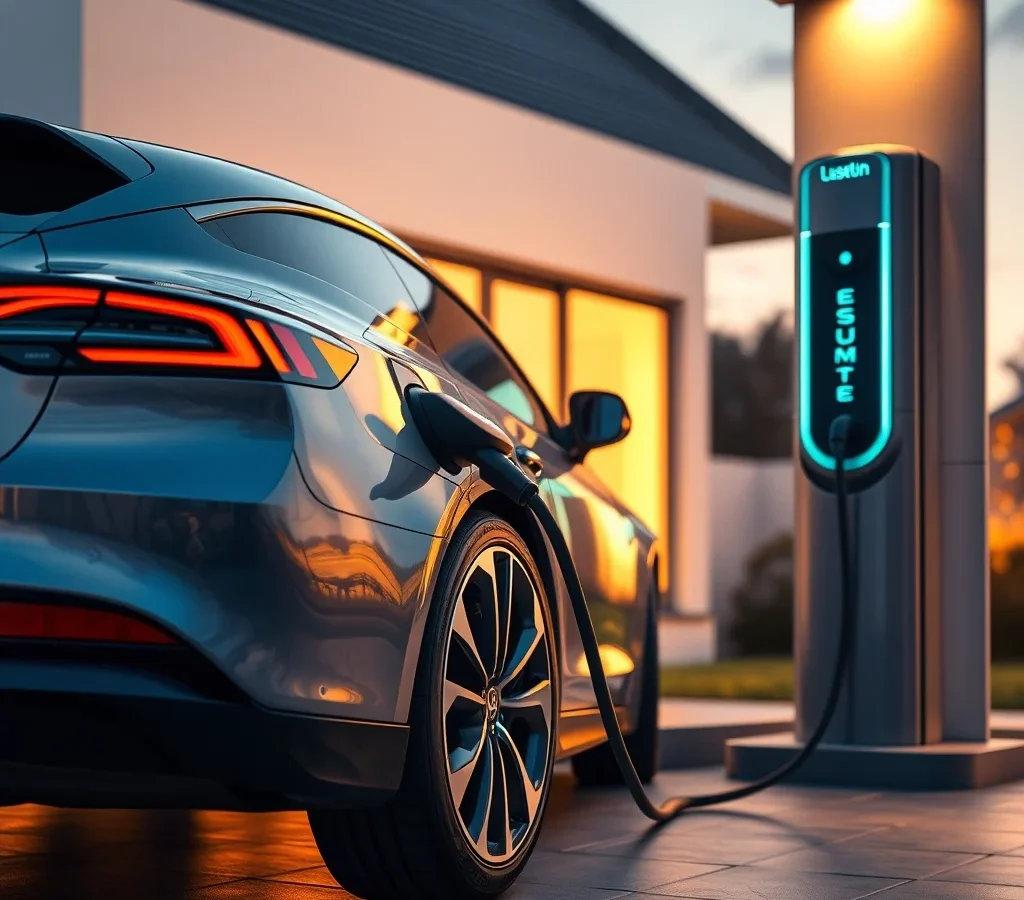
- Wall Charger and Cable Coverage: Home charging stations are expensive assets. Check if your auto policy covers your home wall connector and portable charging cables against theft, vandalism, or accidental damage, or if you need to coordinate this coverage with your homeowners insurance policy.
- Specialized Roadside Assistance: If an EV runs out of power, it cannot simply be brought a gallon of fuel. It requires a flatbed tow truck to prevent damage to the regenerative braking system. Ensure your roadside assistance package includes flatbed towing to the nearest compatible charging station.
- OEM Parts Coverage: Given the precise engineering of EVs, aftermarket parts may not integrate correctly with your vehicle’s software. OEM parts coverage guarantees that only original manufacturer parts are used in repairs.
Practical Ways to Lower Your Electric Vehicle Insurance Premiums
While EV insurance tends to be more expensive upfront, drivers can utilize several strategies to reduce their monthly premiums without sacrificing essential coverage.
1. Seek Out Green Vehicle Discounts
Many major insurance carriers offer specialized discounts for drivers of hybrid, plug-in hybrid, and battery-electric vehicles. These “green vehicle” discounts are designed to incentivize eco-friendly driving habits and can instantly shave a percentage off your premium.
2. Leverage Telematics and Usage-Based Insurance
Because EVs are highly connected, they integrate seamlessly with telematics programs. By allowing your insurer to track your driving habits—such as your average speed, braking patterns, and the times of day you drive—you can qualify for substantial discounts. If you drive infrequently, a pay-per-mile insurance structure might offer the lowest rates.
3. Bundle Your Policies
One of the easiest ways to lower your rates is by bundling your electric vehicle insurance with other active policies, such as homeowners, renters, or umbrella insurance. Insurance companies value multi-policy households and offer some of their deepest discounts to loyal customers.
4. Shop Around and Compare Quotes
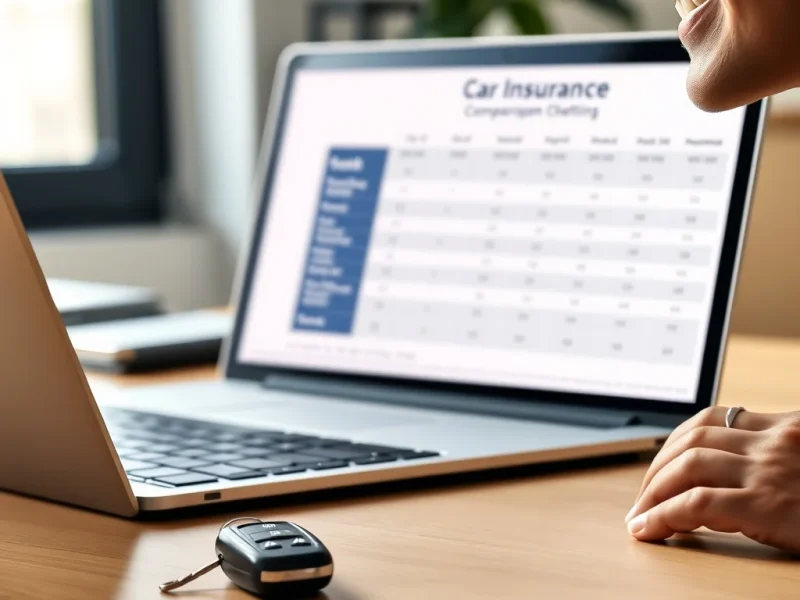
Insurance companies underwrite risks differently. A carrier that charges high rates for a Tesla might offer highly competitive rates for a Hyundai Ioniq or a Ford F-150 Lightning. Always gather multiple quotes online before finalizing your vehicle purchase so you can factor the insurance cost into your overall monthly budget.
Expert Tips for EV Owners
- Check insurance rates before buying: Never assume the insurance for a $45,000 EV will cost the same as a $45,000 gas car. Ask your broker for a quote using the specific VIN of the vehicle you are considering.
- Coordinate with your home insurance: Contact your homeowners insurance provider to confirm whether your home-installed Level 2 charging station is covered under your dwelling or personal property coverage.
- Mind the towing rules: Always instruct tow operators that your EV must be towed on a flatbed. Towing an EV with its wheels on the ground can generate electricity in the motor and destroy the drivetrain.
Common Mistakes to Avoid When Insuring an EV
1. Opting for minimum liability only: Because EVs are incredibly expensive to repair, relying on state-minimum liability coverage leaves you highly exposed to devastating out-of-pocket expenses if you damage your own vehicle.
2. Ignoring gap insurance: Electric vehicles can depreciate rapidly due to shifting technology and federal tax incentives. If your EV is totaled early in your ownership cycle, gap insurance covers the difference between what the car is worth and what you still owe on your loan.
3. Failing to update your annual mileage: If your commute has shortened or you only use your EV for local errands, inform your insurer. Lower annual mileage translates directly to lower accident risk and reduced premiums.
Frequently Asked Questions
Why is electric vehicle insurance more expensive?
Electric vehicle insurance costs more primarily because of the high cost of repairing advanced technology, the price of replacing damaged lithium-ion battery packs, and the specialized labor rates charged by certified EV technicians.
Does standard auto insurance cover my home EV charging station?
Typically, your home EV charging station is covered under your homeowners insurance policy as an attached fixture or personal property. However, the portable charging cable kept in your trunk is usually covered under your auto insurance policy’s comprehensive coverage.
Are there specific discounts available for electric vehicle insurance?
Yes, many insurance providers offer alternative fuel or “green vehicle” discounts to EV owners. Additionally, EV drivers can take advantage of standard discounts like bundling, safe driving records, and telematics programs.
What happens if my EV battery is damaged in an accident?
If your battery pack is damaged in a covered collision, your collision coverage will pay for a replacement, minus your deductible. However, because battery replacements are exceptionally expensive, severe battery damage often results in the insurer declaring the vehicle a total loss.
Do I need special roadside assistance for an electric car?
Yes. Because EVs cannot be flat-towed without risking severe drivetrain damage, you need a roadside assistance plan that guarantees flatbed towing. Some premium EV roadside plans also offer mobile charging trucks that can give you a quick range boost on the spot.
How does telematics affect electric vehicle insurance rates?
Telematics programs monitor your driving habits via an app or your vehicle’s built-in diagnostic systems. Safe driving behaviors—such as gentle braking, smooth acceleration, and avoiding late-night driving—can earn you discounts of up to 30% or more.
Is gap insurance necessary for a leased or financed EV?
Gap insurance is highly recommended for financed or leased EVs. Rapid depreciation and fluctuating market values can quickly leave you “underwater” on your loan, meaning you owe more than the car’s actual cash value in the event of a total loss.
Does the make and model of the EV significantly affect premium costs?
Absolutely. High-performance electric vehicles with aluminum bodies and advanced autopilot suites cost significantly more to insure than budget-friendly electric hatchbacks with readily available parts and simpler construction.
Conclusion
While electric vehicle insurance requires a slightly higher financial commitment than insuring a traditional gas-powered car, the environmental benefits and fuel savings of driving electric remain highly compelling. By understanding the unique coverage needs of your EV, utilizing smart discount strategies, and comparing quotes across multiple carriers, you can easily find a policy that protects both your vehicle and your wallet.
Ready to secure the best possible protection for your electric vehicle? Take the time to gather personalized quotes today and ensure your policy includes essential protections like battery coverage and flatbed roadside assistance.