
Transitioning to an electric vehicle (EV) is an exciting milestone. Drivers enjoy instant torque, quiet cabins, and the satisfaction of bypassing the gas pump. However, many new EV owners face an unexpected surprise when they receive their first premium quote: electric vehicle insurance often costs significantly more than coverage for a traditional gas-powered car.
Understanding the unique factors that drive up EV insurance rates can help you navigate the market, find specialized coverage, and secure the best possible rates. This comprehensive guide breaks down everything you need to know about insuring an electric vehicle in 2026, from hidden battery costs to actionable ways to lower your monthly premium.
Table of Contents
Why Electric Vehicle Insurance Differs from Gas Cars
At its core, auto insurance is a calculation of risk and repair costs. While electric vehicles share the road with internal combustion engine (ICE) vehicles, their underlying technology, construction, and repair ecosystems are fundamentally different. These differences directly impact how insurers calculate premiums.
High Cost of Battery Packs
The battery pack is the most expensive component of an electric vehicle, often accounting for 30% to 50% of the vehicle’s total value. Even minor accidents can compromise the structural integrity of the battery housing. Because of strict safety protocols and the risk of thermal runaway, insurance companies often choose to write off a vehicle rather than risk repairing a compromised battery pack.
Specialized Labor and Parts
Repairing an electric vehicle requires specialized knowledge. Technicians must be trained to work with high-voltage systems safely. Additionally, the network of certified EV repair shops is smaller than traditional mechanics. This scarcity of labor, combined with proprietary manufacturer parts, drives up repair bills and extends the time a vehicle spends in the shop, increasing rental car reimbursement costs for insurers.
Advanced Driver Assistance Systems (ADAS)
Most modern EVs are packed with advanced technology, including cameras, radar, and ultrasonic sensors integrated into bumpers, windshields, and side mirrors. Even a minor fender bender can destroy these sensitive components, requiring expensive replacements and precise calibration processes that add hours of specialized labor to the repair bill.
Average Cost of EV Insurance vs. ICE Vehicles
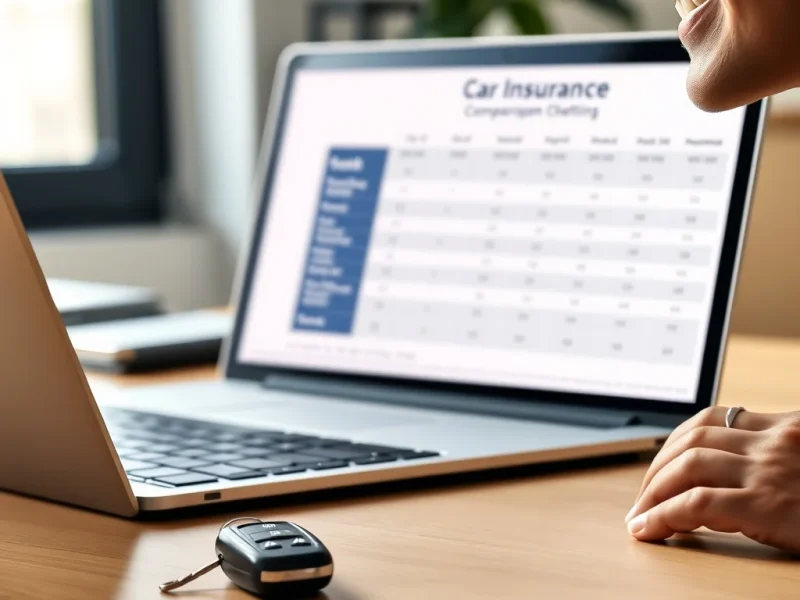
To give you a clearer picture of the financial landscape, the table below compares the estimated average annual insurance costs of popular electric vehicles against comparable gas-powered models. These estimates reflect national averages for a driver with a clean record.
| Vehicle Class | Electric Model | Est. Annual EV Premium | Gas-Powered Equivalent | Est. Annual ICE Premium |
|---|---|---|---|---|
| Compact Sedan | Tesla Model 3 | $2,450 | BMW 3 Series | $1,980 |
| Compact SUV | Hyundai Ioniq 5 | $2,100 | Hyundai Tucson | $1,650 |
| Luxury SUV | Audi Q8 e-tron | $2,900 | Audi Q8 (Gas) | $2,350 |
| Pickup Truck | Ford F-150 Lightning | $2,300 | Ford F-150 (V6) | $1,850 |
As shown above, insuring an electric vehicle typically carries a 15% to 30% premium surcharge compared to similar combustion-engine vehicles. This premium gap is slowly narrowing as repair networks expand, but it remains a critical factor in the total cost of ownership.
Key Factors Influencing Your EV Premium
When underwriting an electric vehicle insurance policy, insurers analyze several specific variables to determine your premium. Understanding these factors can help you make informed decisions when purchasing a vehicle.
The Make and Model
Not all EVs are insured equally. High-performance electric models, such as the Tesla Model S Plaid or Porsche Taycan, carry much higher premiums due to their extreme acceleration capabilities and high retail values. Conversely, budget-friendly EVs like the Chevrolet Bolt or Nissan Leaf are significantly cheaper to insure because of lower replacement costs and more modest performance profiles.
Vehicle Weight and Safety Ratings
Electric vehicles are significantly heavier than their gas-powered counterparts due to the weight of the battery pack. In a collision, heavier vehicles tend to cause more damage to other property and vehicles, which can increase the liability portion of your insurance premium. However, many EVs also earn top-tier safety ratings, which helps offset some of this risk by protecting the occupants inside.
Your Driving History and Location
While the vehicle itself plays a massive role, personal rating factors still dominate your premium calculation. Your age, driving record, credit score (in states where allowed), and zip code remain foundational. If you live in an urban area with high rates of vehicle theft or severe weather risks, your comprehensive coverage costs will reflect that environment.
How to Lower Your Electric Vehicle Insurance Rates
Despite the higher baseline costs, there are several highly effective strategies you can use to lower your electric vehicle insurance premiums without sacrificing essential coverage.
- Seek Out Green Vehicle Discounts: Many major insurers offer discounts ranging from 5% to 10% simply because you drive an alternative fuel or hybrid vehicle.
- Opt for Telematics Programs: If you are a safe driver with predictable driving habits, enrolling in a telematics program (where a mobile app or plug-in device tracks your driving) can yield substantial discounts.
- Bundle Your Policies: Combining your auto insurance with home, renters, or condo insurance remains one of the easiest ways to secure a multi-policy discount of up to 20%.
- Adjust Your Deductibles: Raising your comprehensive and collision deductibles from $500 to $1,000 can immediately lower your monthly premium. Just ensure you have enough savings set aside to cover the higher deductible in the event of a claim.
- Shop Around Annually: Insurance companies update their pricing algorithms regularly. Comparing quotes from at least three different insurers every year is the most reliable way to ensure you are not overpaying.
Expert Tips for EV Owners
To maximize your protection and minimize your out-of-pocket costs, keep these professional recommendations in mind:
- Inquire about charger coverage: Ask your insurer if your home charging station is covered under your homeowners policy or if it needs to be added to your auto policy as custom equipment.
- Factor insurance into your buying budget: Always get an insurance quote for the specific VIN or model you are considering before finalizing your vehicle purchase.
- Consider OEM parts coverage: If you want to ensure your EV is repaired using original manufacturer parts rather than aftermarket equivalents, look for an insurer that offers an OEM parts endorsement.
Common Mistakes to Avoid
- Skipping Gap Insurance on Financed EVs: Because EVs can depreciate rapidly in their first few years, you could easily owe more on your loan than the car is worth. Gap insurance covers this difference if your vehicle is totaled.
- Assuming All Insurers Treat EVs Equally: Some traditional insurers have not fully modernized their EV risk models, resulting in excessively high quotes. Always check with insurers that have dedicated EV programs.
- Underestimating the Cost of Windshield Replacements: Many EVs feature panoramic glass roofs and advanced windshields with integrated sensors. Failing to carry glass coverage with a low deductible can result in massive out-of-pocket repair bills.
Frequently Asked Questions
Is insurance more expensive for electric cars?
Yes, on average, electric vehicle insurance is 15% to 30% more expensive than insurance for traditional gas-powered cars. This premium difference is primarily driven by high battery replacement costs, specialized repair labor, and expensive advanced driver assistance systems (ADAS) technology.
Why does EV battery damage affect insurance so much?
The battery pack is the single most expensive component of an EV. Even minor structural damage to the battery casing can pose fire risks, leading manufacturers to recommend complete replacement. Because replacement costs can exceed $15,000, insurers often write off the vehicle as a total loss rather than pay for repairs.
Does Tesla offer its own insurance program?
Yes, Tesla offers its own insurance product in several U.S. states. Tesla Insurance utilizes real-time driving behavior data collected directly from the vehicle to calculate a monthly Safety Score, which directly determines your premium. Safe drivers often find this option highly competitive.
Are there specific discounts for insuring an electric vehicle?
Many major insurance providers offer “green vehicle” or “alternative fuel” discounts to reward drivers for choosing environmentally friendly transportation. Additionally, EV owners can qualify for standard industry discounts such as bundling, safe driver programs, and paperless billing.
Does standard car insurance cover my home charging station?
Your auto insurance policy typically covers portable charging cables that come with the vehicle. However, permanently installed home wall chargers are usually covered under your homeowners insurance policy under the “other structures” or personal property protection clause. It is best to verify this with your home insurance provider.
What is gap insurance, and do I need it for an EV?
Gap insurance covers the difference between the actual cash value of your vehicle and the remaining balance on your auto loan or lease if the car is totaled. Because electric vehicles can experience rapid initial depreciation, gap insurance is highly recommended for financed or leased EVs.
How does telematics or pay-per-mile insurance work for EVs?
Telematics programs monitor your actual driving habits—such as braking, acceleration, speed, and mileage—using a smartphone app or vehicle sensors. Because many EV owners use their vehicles for short commutes, pay-per-mile or behavior-based telematics can lead to significant premium reductions.
Does the driving range of my EV affect my insurance premium?
The driving range itself does not directly affect your premium. However, vehicles with larger battery capacities (which enable longer ranges) generally cost more to purchase and repair, which can indirectly lead to higher comprehensive and collision coverage rates.
Conclusion and Next Steps
While electric vehicle insurance carries a premium markup due to specialized technology and high repair costs, it should not deter you from making the switch to clean energy. By understanding the factors that influence EV premiums—such as battery vulnerability and specialized labor—you can make smarter purchasing decisions.
To secure the best rate possible, take a proactive approach. Compare quotes from multiple specialized insurers, ask about green vehicle discounts, and consider enrolling in a telematics program to let your safe driving habits pay off. Ready to find the best rate for your electric vehicle? Request a customized quote from your preferred insurers today and start maximizing your EV savings.