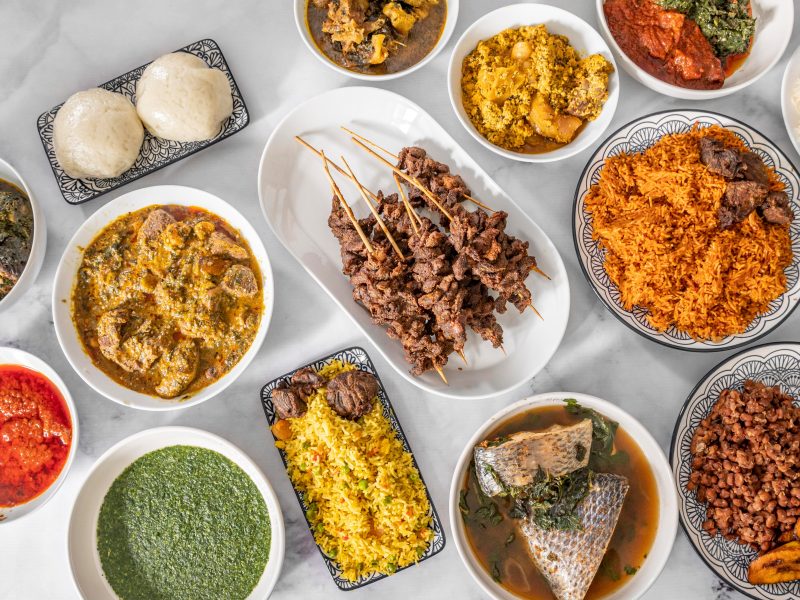
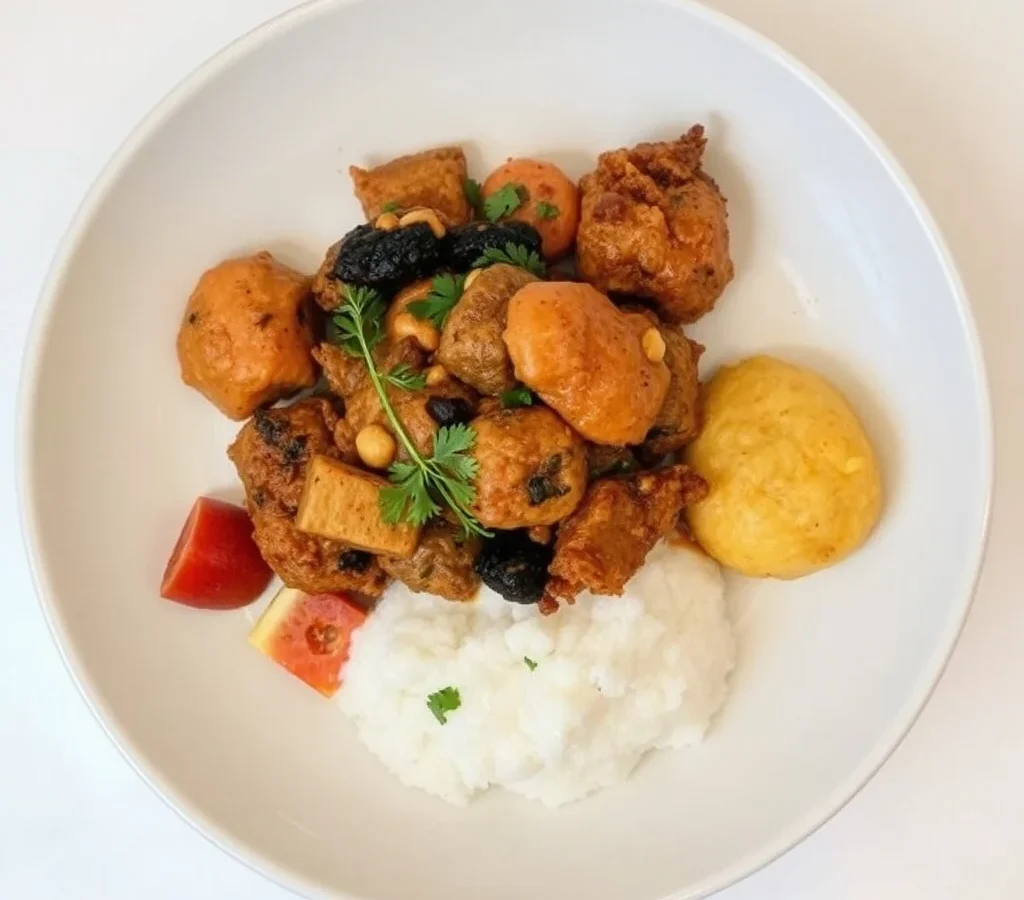

Nigerian cuisine is one of the most diverse food traditions in Africa. Across the country, local ingredients, cooking techniques, migration, trade and cultural celebrations have produced a remarkable range of dishes. From smoky suya and pepper soup to jollof rice, pounded yam, egusi soup, moi moi and regional specialties, Nigerian food offers far more than a single national menu.
For foodies, exploring Nigerian cuisine is best approached as a journey through regions, ingredients and dining settings. A roadside grill, family kitchen, traditional buka, modern restaurant and festive gathering can each reveal a different side of the country’s food culture.
This guide explores popular Nigerian dishes, regional delicacies, traditional ingredients, food experiences and practical tips for discovering Nigerian cuisine responsibly and confidently.
Table of Contents
- What Makes Nigerian Cuisine Unique?
- Regional Flavors and Food Traditions
- Nigerian Dishes Every Foodie Should Try
- Street Food and Casual Dining
- Essential Nigerian Ingredients
- Traditional and Modern Dining Experiences
- Nigerian Cuisine at a Glance
- Expert Tips for Exploring Nigerian Food
- Common Mistakes to Avoid
- Food Safety and Dietary Considerations
- Frequently Asked Questions
What Makes Nigerian Cuisine Unique?
Nigerian cuisine reflects the country’s extraordinary cultural diversity. Different communities developed food traditions around crops, livestock, fish, climate and locally available seasonings. As a result, two dishes with similar names can taste noticeably different depending on the region and cook.
Bold seasoning and layered flavors
Peppers, onions, tomatoes, crayfish, fermented ingredients, herbs and spices frequently build the foundation of Nigerian dishes. Heat is common, but Nigerian food is not simply about making food spicy. Good cooking balances heat with sweetness, acidity, savoriness, smokiness and texture.
Staples create complete meals
Yam, cassava, rice, beans, maize, millet and plantain are important staples. Many are transformed into foods that pair with richly flavored soups and stews. The National Bureau of Statistics has documented foods such as rice and stew, fufu and soup, tuwo and soup, amala and soup, gari and soup, and pounded yam and soup in Nigerian food-consumption data.
Food is closely connected to hospitality
Meals often play a social role. Weddings, religious celebrations, family gatherings and community events frequently feature large shared menus. Eating Nigerian food can therefore involve more than tasting a recipe; it can provide a window into hospitality and local culture.
Regional Flavors and Food Traditions
There is no single way to define Nigerian food. Regional cuisines overlap, evolve and travel, but broad patterns can help visitors understand what they encounter.
Southwestern Nigerian cuisine
Southwestern food traditions include dishes such as amala with ewedu and gbegiri, ofada rice with sauce, beans-based meals and peppery stews. Yoruba culinary traditions also showcase foods such as pounded yam, assorted soups and richly seasoned rice dishes.
Southeastern Nigerian cuisine
Igbo food traditions include soups and dishes built around vegetables, seeds, fish, meat and tubers. Egusi soup, bitterleaf soup and oha soup are familiar examples, although recipes vary substantially between households and communities.
South-South and coastal cuisine
Communities in the Niger Delta and other coastal areas have strong traditions involving seafood, leafy vegetables, palm products and aromatic soups. Afang soup, seafood preparations and pepper soup are among the foods foodies may encounter.
Northern Nigerian cuisine
Northern food traditions feature grains, legumes, meat, dairy products and aromatic spices. Tuwo served with soup, masa, suya, fura and various rice dishes demonstrate the breadth of northern culinary culture.
Nigerian Dishes Every Foodie Should Try
Jollof rice
Jollof rice is one of Nigeria’s most recognizable dishes. Rice is cooked in a seasoned tomato and pepper base, often with onions and spices. Recipes differ by cook, and the popular West African jollof debate has produced countless arguments over technique and flavor.
For a first taste, compare jollof from a home-style restaurant, a party caterer and a contemporary restaurant. The differences can be surprisingly revealing.
Suya
Suya is grilled, skewered meat seasoned with a spicy peanut-based spice blend commonly called yaji. The meat is typically sliced thinly and grilled over heat, producing smoky edges and a distinctive roasted aroma.
Freshly grilled suya is best experienced where turnover is high and the food is prepared and served hot. Hygiene and proper cooking remain important, particularly with meat.
Egusi soup
Egusi soup uses ground melon seeds as a key ingredient and may include leafy vegetables, meat, fish or other proteins. It is commonly paired with swallow foods such as pounded yam, eba, semovita or fufu.
Amala and ewedu
Amala is a dark, smooth swallow traditionally made from yam flour or other flour varieties. Ewedu is a slippery green soup made from jute leaves and is often served with gbegiri and a peppery stew.
Pounded yam and soup
Pounded yam has a smooth, stretchy texture and is traditionally paired with soups such as egusi, vegetable soup or assorted regional preparations. It is particularly satisfying when eaten with a well-seasoned soup that provides plenty of texture and flavor.
Moi moi
Moi moi is a steamed bean pudding made from blended beans and seasoned with ingredients that can include peppers, onions and other additions. It works as a breakfast, side dish or accompaniment to rice-based meals.
Akara
Akara consists of seasoned bean batter fried into crisp, savory fritters. It is a popular street and breakfast food and is often eaten with pap, bread or other accompaniments.
Pepper soup
Pepper soup is a spicy, aromatic broth that can be prepared with fish, chicken, goat meat or other proteins. The spice profile varies by recipe, making it useful for comparing regional and restaurant interpretations.
Ofada rice and sauce
Ofada rice is a locally associated rice variety often served with a distinctive pepper sauce. Its earthy aroma and texture make it a favorite for diners who want to explore locally rooted rice dishes beyond standard fried or jollof rice.
Plantain dishes
Plantain appears in many forms, including fried dodo, boiled plantain and roasted plantain. It can accompany beans, rice, eggs, stews or grilled foods and offers a useful contrast between sweet, savory and smoky flavors.
Street Food and Casual Dining
Street food is one of the most accessible ways to explore Nigerian food culture. Depending on the city, foodies may encounter suya, akara, roasted corn, roasted plantain, boiled yam, fried plantain, puff-puff, meat pies and other snacks.
Why street food is worth exploring
- It often reflects local tastes rather than standardized restaurant menus.
- Preparation happens close to the customer, making the cooking process part of the experience.
- Prices are often lower than at formal restaurants, although they vary by location and ingredient.
- Busy vendors can reveal what local customers regularly choose.
Nigeria’s official household-survey materials list a wide range of foods consumed outside the home, including suya, nkwobi, isiewu, asun, akara, puff-puff, roasted plantain and roasted yam. These records demonstrate the breadth of casual and prepared-food categories documented in national surveys.
Essential Nigerian Ingredients
| Ingredient | Common culinary role | Foods where you may encounter it |
|---|---|---|
| Chili peppers | Heat and flavor | Stews, sauces, pepper soup, jollof |
| Tomatoes | Sauce base and acidity | Jollof, stews, rice dishes |
| Onions | Aroma and sweetness | Nearly every major savory category |
| Egusi/melon seeds | Body, richness and nutty flavor | Egusi soup |
| Cassava | Staple carbohydrate | Gari, fufu and related foods |
| Yam | Staple carbohydrate | Pounded yam, boiled yam, yam flour |
| Beans | Protein-rich staple | Moi moi, akara, bean dishes |
| Plantain | Sweet or savory side | Dodo, roasted plantain, boiled plantain |
| Crayfish | Umami and seafood depth | Soups and stews |
| Palm products | Richness, color and aroma | Soups and regional dishes |
Nigeria’s 2023 National Agricultural Sample Survey also illustrates the agricultural importance of ingredients that appear in local diets, including maize, cassava, rice, sorghum, beans, yam and melon/egusi.
Traditional and Modern Dining Experiences
The buka experience
A buka or local canteen can offer a practical introduction to everyday Nigerian meals. Expect straightforward service, generous portions and familiar dishes such as rice and stew, beans, swallow foods and soups.
Family-style dining
Eating with a Nigerian family or joining a cultural food event can provide context that a restaurant menu cannot. You may learn why particular foods are served together, how dishes are eaten and which ingredients are considered special.
Contemporary Nigerian restaurants
Modern restaurants increasingly reinterpret Nigerian ingredients through presentation, tasting menus, fusion techniques and curated beverage pairings. These experiences can be valuable for travelers who want traditional flavors presented in a more formal setting.
Markets and food tours
Markets can introduce visitors to ingredients before they appear on a plate. A knowledgeable local guide can explain unfamiliar produce, spices, snacks and regional names while helping visitors navigate the food environment respectfully.
Nigerian Cuisine at a Glance
| Experience | Best for | What to expect |
|---|---|---|
| Street vendor | Quick local tasting | Affordable, informal, highly local |
| Buka/canteen | Everyday Nigerian meals | Rice, beans, soups, swallows and stews |
| Traditional restaurant | Regional dishes | Broader menu and seated dining |
| Contemporary restaurant | Curated food experience | Modern presentation and interpretation |
| Food market | Ingredient discovery | Produce, spices, snacks and local specialties |
Expert Tips for Exploring Nigerian Cuisine
- Start with familiar flavors: If you are new to spicy food, begin with milder portions and increase the heat gradually.
- Ask how a dish is eaten: Local diners can explain which soup pairs with which swallow and whether a dish is normally eaten by hand or with utensils.
- Try regional versions: Do not judge Nigerian cuisine from one restaurant or one city. Recipes can change significantly between regions.
- Observe turnover: For prepared foods, busy vendors often provide fresher batches, but cleanliness and safe handling still matter.
- Learn the names: Knowing terms such as eba, amala, tuwo, moi moi, akara and suya makes menus easier to navigate.
- Balance your meal: Pair rich or starchy foods with vegetables, beans, lean proteins or other nutrient-dense options where appropriate.
- Respect food culture: Ask before photographing people, kitchens or food rituals, especially in family or community settings.
- Keep an open mind: Texture can be as important as flavor. Foods such as ewedu and fufu may feel unfamiliar before they become favorites.
Common Mistakes When Exploring Nigerian Food
Assuming all Nigerian food is extremely spicy
Chili is important, but heat levels vary by dish, cook and region. Ask for a mild version when necessary rather than avoiding the cuisine entirely.
Trying only jollof rice
Jollof is famous, but stopping there misses a huge portion of Nigerian culinary culture. Include soups, swallows, beans dishes, grilled foods, snacks and regional specialties in your exploration.
Ignoring texture
Many Nigerian dishes are designed around contrasts in texture. Smooth swallows, thick soups, crisp fried foods and smoky grilled meats all contribute to the experience.
Confusing a restaurant menu with a complete regional cuisine
A restaurant may specialize in one community, style or price segment. Use several food experiences to build a more accurate picture.
Neglecting food safety
Adventure should not mean ignoring hygiene. Pay attention to food temperature, preparation surfaces, water quality and general cleanliness.
Food Safety and Dietary Considerations
Foodies should explore confidently but sensibly. Choose reputable vendors, eat foods that are properly cooked and served hot when appropriate, and take care with unfamiliar ingredients if you have allergies.
If you have a food allergy, ask specific questions about peanuts, tree nuts, seafood, dairy, eggs and other ingredients. Yaji used for suya commonly contains groundnuts or peanuts, so people with peanut allergies should verify ingredients before eating it.
People following vegetarian, vegan, gluten-free or other restricted diets should communicate their needs clearly. Nigerian cuisine includes many plant-based dishes, but soups and stews may contain meat, fish, crayfish or stock even when those ingredients are not obvious from the dish name.
Frequently Asked Questions
What is the most famous Nigerian food?
Jollof rice is arguably the most internationally recognizable Nigerian dish, but suya, egusi soup, pounded yam, moi moi, akara and many regional foods are also widely known.
What should a first-time visitor eat in Nigeria?
A good introductory list includes jollof rice, suya, moi moi, akara, egusi soup with a swallow, pepper soup and a plantain dish. Choose versions prepared by reputable vendors or restaurants.
Is Nigerian food always spicy?
No. Many dishes use chili, but the intensity varies. You can ask restaurants or vendors to reduce the pepper level.
What is a Nigerian swallow?
Swallow is a group of soft, dough-like staple foods such as eba, fufu, amala and pounded yam. They are commonly used to scoop and eat soups rather than eaten alone.
What is suya made from?
Suya is commonly made from thinly sliced beef, although chicken and other meats can also be used. It is seasoned with a spicy spice mixture and grilled over heat.
What Nigerian foods are good for vegetarians?
Options can include beans, moi moi, akara, some vegetable soups and certain plantain or yam dishes. However, recipes vary, so confirm that meat, fish, crayfish and animal-based stock have not been added.
Can tourists eat Nigerian street food?
Yes, many travelers enjoy Nigerian street food. Choose vendors with good turnover and visible hygiene practices, and prefer foods that are thoroughly cooked and served hot.
What is the best way to experience Nigerian cuisine?
Combine different settings: try a local canteen, a reputable restaurant, a street-food experience and, where possible, a food market or cultural food event. This gives you a broader view of Nigerian culinary traditions.
Conclusion
Nigerian cuisine is best understood as a collection of interconnected regional food cultures rather than a single list of national dishes. Its strength lies in diversity: smoky grills, rich soups, fermented foods, beans, rice, yam, cassava, plantain, seafood, grains and bold pepper-based sauces all contribute to the experience.
For foodies, the most rewarding approach is to taste widely, ask questions and pay attention to the people and traditions behind each meal. A plate of jollof rice may introduce you to Nigerian food, but exploring suya, egusi soup, amala, moi moi, akara, pepper soup and regional specialties can reveal a much richer culinary story.
Call to Action
Ready to explore Nigerian cuisine? Choose three dishes you have never tried, visit a reputable local restaurant or food vendor, and turn your next meal into a culinary discovery. Share your favorite Nigerian dish with fellow food lovers and keep exploring the regional flavors that make Nigeria’s food culture so distinctive.
Research note: Food traditions and recipes vary by household, community and region. National statistics cited in this article describe survey categories or agricultural production and should not be interpreted as a ranking of dishes or a complete measure of culinary popularity.