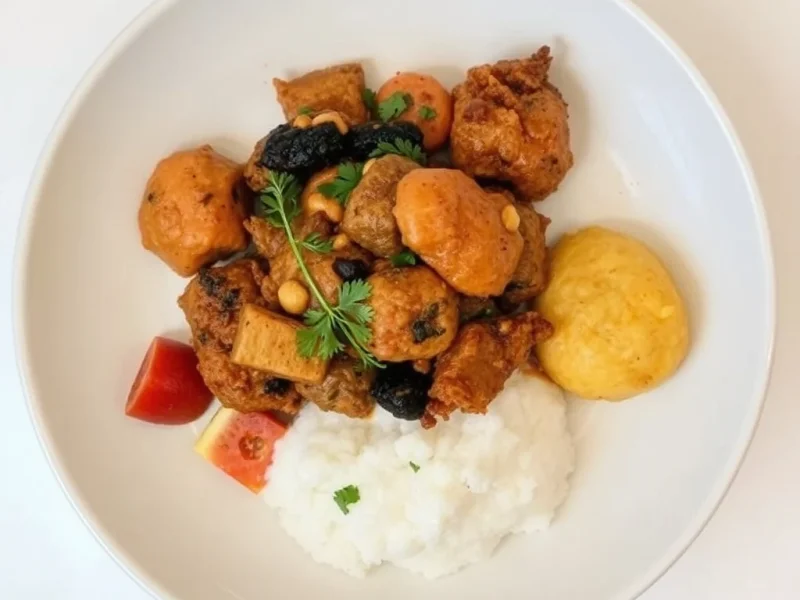
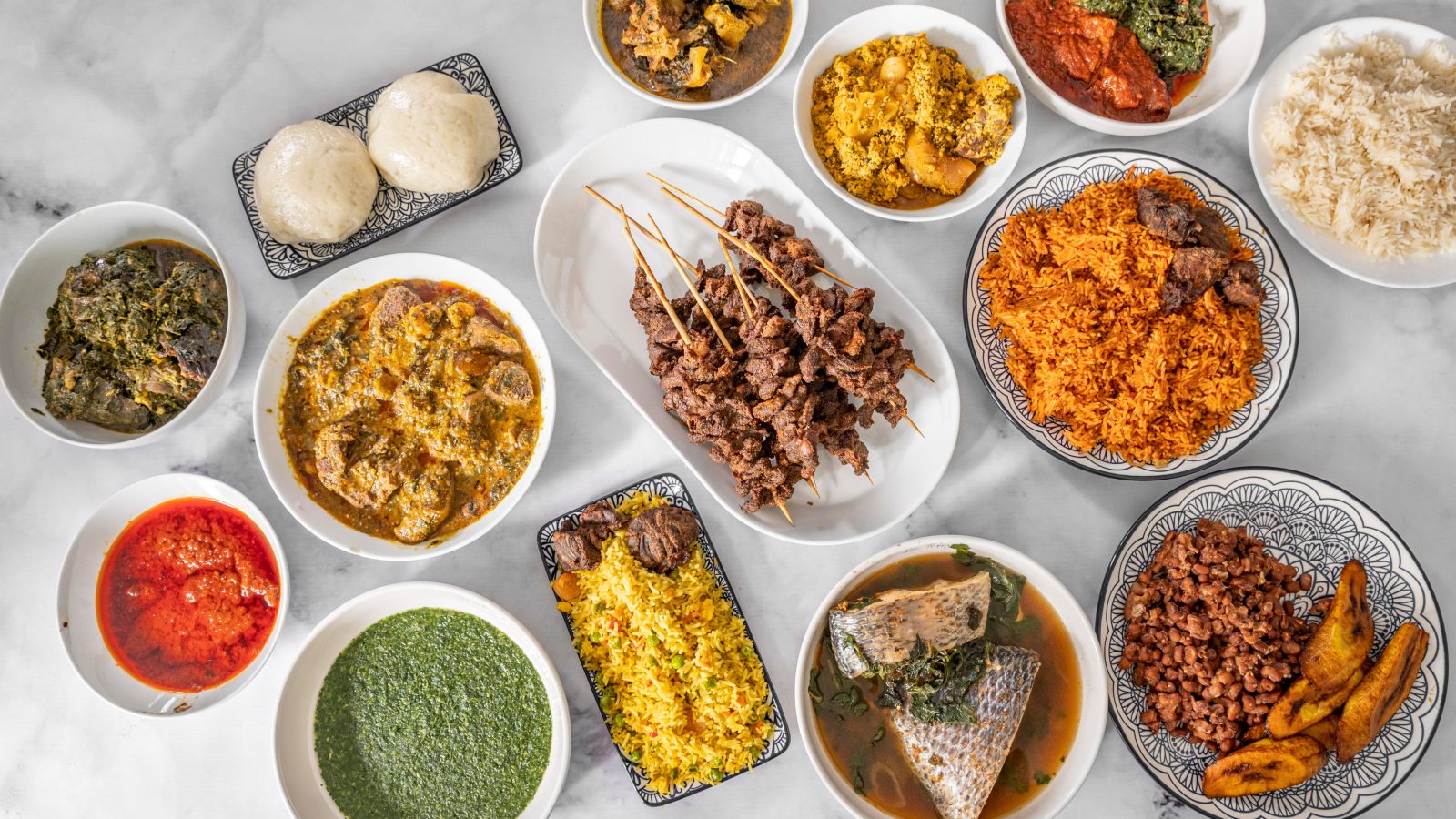

Nigeria’s culinary heritage is one of the country’s most expressive forms of culture. Food carries the memory of communities, the influence of local agriculture, the techniques passed from one generation to another, and the hospitality that welcomes guests to the table. From northern grain-based meals and grilled meats to southern soups, tubers, seafood and palm-based dishes, Nigerian cuisine reflects a country where regional identity and national identity meet.
This guide explores the great Nigerian culinary heritage through its regional traditions, ingredients, cooking methods, iconic dishes and changing food scene. It also explains why preserving indigenous food knowledge matters for culture, tourism and future generations.
Table of Contents
- What Makes Nigerian Culinary Heritage Great?
- Nigeria’s Culinary Heritage Across Six Regions
- Iconic Foods That Represent Nigerian Heritage
- Ingredients at the Heart of Nigerian Cooking
- Traditional Cooking Techniques and Food Knowledge
- Food, Hospitality and Cultural Celebration
- How Modern Nigeria Is Preserving and Reimagining Food Heritage
- Why Culinary Heritage Matters for Tourism and Local Business
- Regional Cuisine at a Glance
- Expert Tips for Exploring Nigerian Culinary Heritage
- Common Mistakes to Avoid
- Frequently Asked Questions
What Makes Nigerian Culinary Heritage Great?
Nigerian culinary heritage is not a single cuisine with one fixed menu. It is a living collection of regional, ethnic and household traditions. The Federal Ministry of Information and National Orientation describes Nigerian cuisine as diverse as the country’s ethnic composition and lists foods such as edikaikong, fufu, tuwo, suya, kilishi, amala, eba and pounded yam among major traditional foods. citeturn654726search6
Food reflects place
What grows locally often shapes what ends up on the plate. Grains and legumes are prominent in many northern food traditions, while tubers, leafy vegetables, seafood and palm products feature strongly in many southern cuisines. The National Institute for Cultural Orientation documents culinary traditions across all six geopolitical zones, including dishes associated with states such as Kano, Kaduna and others. citeturn654726search9
Food preserves knowledge
A recipe is only part of a food tradition. Culinary heritage also includes how ingredients are selected, ground, pounded, fermented, smoked, dried, grilled, boiled or steamed. Traditional cookware and preparation practices can carry cultural meaning as well. Research and cultural documentation from Nigeria show that local pots, mortars, pestles and outdoor cooking methods remain important in some communities. citeturn850237search9
Food creates community
Nigerian meals are closely associated with generosity and gathering. Food appears at weddings, festivals, religious celebrations, family occasions and community events. A 2024 study presented through the International Federation of Home Economics found that 96% of surveyed homemakers in rural Epe communities reported communal cooking at special occasions, while 75% still used traditional utensils and preservation technologies. The study is a local sample rather than a national statistic, but it illustrates the continuing social role of food preparation. citeturn850237search34
Nigeria’s Culinary Heritage Across Six Regions
There is no perfect boundary between Nigerian food traditions. Recipes travel, families mix traditions and modern cities bring regional cuisines together. Still, the six geopolitical zones provide a useful framework for appreciating the country’s culinary range. NICO explicitly presents cuisine across the North West, South West, North Central, North East, South-South and South-East zones. citeturn654726search9
South West
Yoruba culinary traditions include amala, ewedu, gbegiri, assorted peppery stews, pounded yam, ofada rice and other deeply seasoned dishes. The region is also associated with bean-based foods, plantain preparations and a wide variety of soups and sauces.
South East
Igbo culinary traditions showcase dishes and ingredients such as oha leaves, bitterleaf, yam, cassava, cocoyam, palm products, fish and meat. Foods such as oha soup, bitterleaf soup and abacha demonstrate how texture, fermentation and locally available ingredients shape the cuisine.
South South
Coastal and Niger Delta cuisines draw heavily on fish, seafood, leafy vegetables, spices and palm products. Dishes such as afang soup, fisherman-style soups and other seafood preparations reflect the relationship between food and the aquatic environment.
North West
Northern food traditions include tuwo shinkafa, tuwo masara, masa, kilishi, fura da nono and a broad range of grain- and meat-based dishes. NICO’s state-by-state documentation shows particularly rich culinary repertoires in places such as Kano, Kaduna and Katsina. citeturn654726search9
North East
Food traditions in the North East include grain-based staples, beans, meat, dairy products and spice-rich sauces. Climate, pastoral traditions, agriculture and long-standing trade routes all contribute to the character of regional meals.
North Central
North Central cuisine reflects cultural intersections between northern and southern foodways. Yam, cassava, maize, rice, vegetables and local meats appear in diverse combinations, with strong state- and community-level variation.
Iconic Foods That Represent Nigerian Heritage
Jollof rice
Jollof rice is one of Nigeria’s best-known dishes internationally. Its familiar tomato-and-pepper base can produce very different results depending on rice, stock, seasoning, cooking vessel and technique. It is also a useful example of how a dish can become a national symbol while remaining open to regional and household interpretation.
Suya
Suya is a grilled meat specialty seasoned with a distinctive spice mixture often called yaji. Its smoky aroma, thinly sliced meat and peppery character make it one of Nigeria’s most recognizable street-food experiences.
Egusi soup
Egusi soup uses ground melon seeds to provide richness and body. Depending on the recipe, cooks may add leafy vegetables, meat, fish, stockfish, crayfish or other ingredients. It is commonly paired with swallows such as pounded yam, eba or fufu.
Amala, ewedu and gbegiri
This combination is strongly associated with Southwestern Nigerian food culture. Amala provides a soft, smooth staple; ewedu adds a distinctive green texture; and gbegiri, a bean-based soup, contributes body and depth. The plate demonstrates how complementary textures can be as important as flavor.
Pounded yam and soups
Pounded yam is a classic example of how a staple becomes part of a broader meal system. Its smooth, stretchy texture works as a vehicle for soups such as egusi and vegetable-based preparations.
Moi moi and akara
Both foods begin with beans but use very different techniques. Moi moi is steamed, while akara is fried into crisp fritters. Their contrasting textures show how Nigerian cooks transform a single staple ingredient into multiple foods.
Pepper soup
Nigerian pepper soup is an aromatic broth that may be prepared with fish, goat meat, chicken or other proteins. A 2024 scientific review describes pepper soup as a dish deeply rooted in Nigerian culinary heritage and notes the use of ingredients such as chili peppers, ginger, garlic, scent leaf and calabash nutmeg in traditional preparations. citeturn850237search5
Tuwo and northern soups
Tuwo foods illustrate the importance of grains and staple preparations in northern Nigeria. Versions made from rice, maize and other grains are commonly paired with richly seasoned soups and sauces.
Kilishi
Kilishi is a dried, seasoned meat product associated strongly with northern Nigeria. Drying and seasoning extend the usefulness of meat while creating a distinctive snack and travel-friendly food.
Plantain, yam and cassava foods
Plantain appears fried, boiled or roasted. Yam may be boiled, pounded or processed into flour, while cassava becomes foods such as garri and fufu. These staples show how one crop can support many culinary formats.
Ingredients at the Heart of Nigerian Cooking
| Ingredient | Common role | Examples |
|---|---|---|
| Yam | Staple carbohydrate | Pounded yam, boiled yam, asaro |
| Cassava | Staple and processed food | Garri, fufu, eba |
| Rice | Staple grain | Jollof rice, tuwo shinkafa |
| Beans | Staple and protein-rich base | Moi moi, akara, bean dishes |
| Plantain | Sweet or savory staple | Dodo, roasted plantain |
| Peppers | Heat, aroma and flavor | Stews, sauces, pepper soup |
| Leafy vegetables | Flavor, texture and nutrition | Ewedu, bitterleaf, ugu, oha |
| Melon seeds | Richness and thickening | Egusi soup |
| Palm products | Color, aroma and richness | Regional soups and stews |
| Fish and seafood | Protein and savory depth | Soups, grills, coastal dishes |
Yam has particular cultural importance. A 2024 scholarly chapter on food and culture in Nigeria notes that yam contributes substantially to global yam production and is connected to social practices and New Yam festivals, while also appearing in many culinary forms. citeturn850237search2
Traditional Cooking Techniques and Food Knowledge
Pounding and grinding
Mortars and pestles have long been used to transform grains, seeds, tubers and spices. The technique affects texture, aroma and the final character of the meal.
Fermentation
Fermentation appears in several Nigerian food traditions and can change flavor, texture and shelf life. Fermented ingredients also contribute distinctive savory notes that cannot always be reproduced with modern shortcuts.
Smoking and drying
Drying and smoking help preserve meat and fish while adding characteristic flavors. Kilishi is a clear example of how preservation became part of culinary identity.
Grilling over heat
Suya and other grilled foods demonstrate the importance of direct heat. Controlled grilling creates char, smoke and concentrated seasoning that form part of the eating experience.
Cooking with traditional vessels
Traditional cookware can influence heat distribution, aroma and texture. Google Arts & Culture’s documentation of Yoruba cooking traditions notes the continued cultural relevance of local pots and outdoor kitchen setups. citeturn850237search9
Food, Hospitality and Cultural Celebration
One of the defining ideas in Nigerian food culture is hospitality. Serving a visitor generously can be a statement of respect, welcome and community. The Federal Ministry of Information and National Orientation specifically highlights the generosity with which guests are fed in the Nigerian culinary experience. citeturn654726search6
Festivals and ceremonies
Food often accompanies ceremonies, harvest celebrations and festivals. These events can preserve recipes while also giving younger generations opportunities to observe and participate in preparation.
Family recipes
Some of the most meaningful parts of Nigerian culinary heritage live in family methods rather than formal cookbooks. Two families may use the same dish name while differing in spice levels, cooking times and preferred ingredients.
Shared meals
Communal eating reinforces social relationships. The preparation itself can be part of the tradition, especially during large gatherings.
How Modern Nigeria Is Preserving and Reimagining Food Heritage
Nigerian culinary heritage is not frozen in the past. Chefs, food entrepreneurs, historians, home cooks and cultural organizations are documenting old recipes while adapting them for modern kitchens, restaurants and audiences.
Digital documentation
Recipe websites, videos, social media and digital archives are helping record dishes that were once passed primarily through oral instruction. A 2026 comparative study on Nigeria and Cameroon emphasizes multilingual documentation as a way to preserve indigenous food knowledge while warning that translation should not strip recipes of their cultural meaning. citeturn850237search4
Contemporary Nigerian restaurants
Modern restaurants are placing Nigerian ingredients into new formats, from carefully plated tasting menus to contemporary interpretations of traditional dishes. This can introduce younger diners and international visitors to local flavors without requiring every tradition to remain unchanged.
Food festivals and cultural platforms
Cultural events can connect food with music, storytelling, entrepreneurship and tourism. Nigerian food festivals increasingly present indigenous dishes as cultural assets rather than simply everyday meals.
Heritage protection beyond food
UNESCO’s Nigerian intangible cultural heritage list includes cultural practices such as the Durbar in Kano, Sango Festival of Oyo, Kwagh-Hir, Argungu International Fishing and Cultural Festival, Ijele masquerade, Gelede oral heritage and the Ifa divination system. Although these are not food inscriptions, they demonstrate the wider international recognition of Nigeria’s living cultural traditions. citeturn654726search3
Why Culinary Heritage Matters for Tourism and Local Business
Culinary heritage can turn a meal into a destination experience. Visitors may travel for festivals, markets, restaurants, local farms or neighborhood food tours, creating opportunities for cooks, farmers, food processors, guides, restaurants and small businesses.
Recent academic research on Nigerian indigenous foods and gastronomic tourism argues that foods such as jollof rice, egusi soup and suya can contribute to destination branding and tourism competitiveness, while also pointing to the need for greater integration of culinary assets into tourism planning. citeturn850237search1
Economic value
- Supports farmers and local food suppliers.
- Creates opportunities for restaurants, caterers and food vendors.
- Provides markets for indigenous ingredients.
- Can create cultural-tourism experiences around food.
- Encourages entrepreneurs to package and export Nigerian flavors.
Cultural value
- Keeps regional recipes visible.
- Encourages intergenerational learning.
- Protects indigenous food terminology and techniques.
- Strengthens the connection between food and place.
Regional Cuisine at a Glance
| Zone | Common food themes | Examples |
|---|---|---|
| South West | Swallows, beans, vegetables, pepper sauces | Amala, ewedu, gbegiri, ofada rice |
| South East | Tubers, leafy soups, palm products | Oha soup, bitterleaf soup, abacha |
| South South | Seafood, vegetables, palm products | Afang and seafood-based dishes |
| North West | Grains, meat, dairy, dried foods | Tuwo shinkafa, masa, kilishi, fura da nono |
| North East | Grains, legumes, meat, aromatic spices | Regional grain dishes and soups |
| North Central | Mixed grain, tuber and vegetable traditions | Rice, yam, maize and local soups |
Expert Tips for Exploring Nigerian Culinary Heritage
- Look beyond famous dishes: Jollof and suya are great starting points, but regional soups, snacks and staples reveal more of the country’s food story.
- Ask where a dish comes from: Learning its community or region adds cultural context to the meal.
- Compare versions: Try the same dish in different cities or households. Regional variation is part of the heritage.
- Learn local names: Terms such as amala, eba, tuwo, moi moi, akara and kilishi make food exploration easier.
- Visit markets responsibly: Markets can introduce ingredients and cooking traditions that restaurants may not showcase.
- Support indigenous businesses: Buying from local food businesses helps keep culinary knowledge economically useful.
- Respect cultural context: Ask before photographing people, ceremonies or private family gatherings.
- Document what you learn: Record recipes and stories with the permission of the people sharing them.
Common Mistakes to Avoid
Reducing Nigerian cuisine to jollof rice
Jollof is important, but Nigerian culinary heritage is far broader. Limiting the cuisine to internationally famous dishes hides regional food knowledge.
Assuming every recipe is standardized
Traditional Nigerian dishes can vary from household to household. Variation is not necessarily a lack of authenticity; it is often part of living culinary culture.
Ignoring indigenous terminology
Translating every dish into a generic English description can erase useful cultural information. Keep indigenous names where they add meaning and explain them for readers.
Treating heritage as static
Food traditions evolve. Modern equipment, migration, urbanization and new restaurant formats can change how dishes are prepared without automatically destroying their cultural value.
Overlooking food safety
Traditional does not automatically mean safe, and modern does not automatically mean authentic. Choose clean preparation environments, properly cooked foods and reputable food vendors.
Frequently Asked Questions
What is Nigerian culinary heritage?
Nigerian culinary heritage is the collection of traditional foods, ingredients, cooking methods, food customs and social practices passed through communities and generations across Nigeria.
Why is Nigerian cuisine so diverse?
Its diversity reflects Nigeria’s many cultural communities, different environments, agricultural systems, migration patterns and regional histories. NICO’s culinary documentation across the six geopolitical zones illustrates this breadth. citeturn654726search9
What are the most famous Nigerian foods?
Commonly recognized examples include jollof rice, suya, egusi soup, pounded yam, amala, eba, moi moi, akara, pepper soup, tuwo and kilishi.
Which Nigerian food best represents northern cuisine?
There is no single answer, but tuwo, kilishi, masa and fura da nono are useful introductions to northern food traditions, particularly those documented in the North West. citeturn654726search9
Which foods represent Southwestern Nigerian cuisine?
Amala, ewedu, gbegiri, ofada rice, pounded yam and various pepper-rich soups and stews are strong examples of Southwestern food traditions.
Why is yam important in Nigerian culture?
Yam is both an important food crop and a cultural symbol in many communities. Scholarship on food and culture in Nigeria connects yam with social practices, festivals and multiple traditional preparations. citeturn850237search2
Can Nigerian culinary heritage support tourism?
Yes. Culinary tourism can connect visitors with restaurants, markets, festivals, farms, food producers and local communities. Recent research specifically identifies Nigerian indigenous foods as having potential for destination branding and gastronomic tourism. citeturn850237search1turn850237search7
How can people help preserve Nigerian food heritage?
Document family recipes, teach younger generations, support local food businesses, record indigenous food names accurately and preserve the stories and techniques associated with traditional dishes.
Conclusion
Nigeria’s culinary heritage is great because it is diverse, deeply social and continuously evolving. The country’s food traditions connect agriculture with identity, recipes with memory, and everyday meals with ceremonies and hospitality.
From amala and ewedu in the Southwest to tuwo and kilishi in the North, from seafood-rich dishes in the South-South to the many soups, tubers, grains and bean-based foods found across the country, Nigerian cuisine offers far more than a handful of famous dishes. It is a living cultural resource.
Preserving that heritage means more than keeping old recipes alive. It means valuing the people who know the techniques, protecting indigenous terminology, supporting local food businesses and giving younger generations the opportunity to learn where their food comes from. Nigeria’s culinary story deserves to be tasted, documented and shared.
Call to Action
Start your own Nigerian culinary heritage journey by choosing one dish you have never tried and learning the story behind it. Visit a reputable local restaurant or food market, talk to a knowledgeable cook, and share what you discover with friends and family.
Research note: Nigerian culinary traditions vary by household, community and region. Statistics and research findings cited above are presented in their original context and should not be treated as a complete national ranking of food popularity.