

Car insurance is a necessary expense for drivers, but that does not mean you have to overpay for it. With vehicle prices, repair costs, and medical expenses rising, auto insurance premiums have climbed steadily over the past few years. Fortunately, you do not have to accept these rising costs passively. There are numerous actionable, proven strategies you can use to lower your premiums without sacrificing the essential coverage you need to protect your financial well-being.
Whether you are a young driver facing high initial rates, a seasoned driver looking to optimize your household budget, or someone recovering from a recent rate hike, this comprehensive guide will show you exactly how to save money on car insurance. By understanding how insurance companies calculate risk, you can make strategic adjustments to your coverage, habits, and policy details to secure the lowest possible rate.
Table of Contents
Why Are Car Insurance Rates Rising?
Before diving into the savings strategies, it is helpful to understand why auto insurance has become so expensive. Insurance companies operate on risk and loss ratios. In recent years, several macroeconomic factors have driven up the cost of claims, which insurers pass on to consumers in the form of higher premiums.
- Advanced Vehicle Technology: Modern cars are packed with sensors, cameras, and driver-assistance systems. While these features make driving safer, they are incredibly expensive to repair or replace after a minor collision.
- Inflation and Labor Shortages: The rising cost of auto parts combined with a shortage of skilled mechanics has significantly increased average repair times and labor rates.
- Increased Severity of Accidents: Statistical data shows that while the total number of accidents fluctuates, the severity of high-speed collisions has increased, leading to costlier medical claims and vehicle total-loss payouts.
While you cannot control macroeconomic trends, you can control how you position yourself as a policyholder. Let’s explore the most effective ways to lower your costs immediately.
12 Proven Ways to Save Money on Car Insurance
1. Shop Around and Compare Quotes Annually
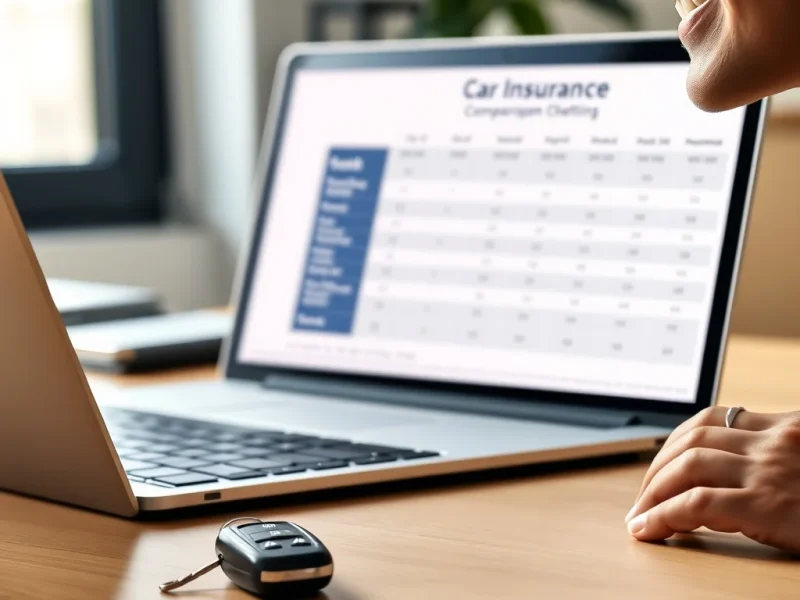
The single most effective way to ensure you are getting a fair deal is to compare quotes from multiple insurance providers. Rates vary wildly between companies because each insurer uses its own proprietary algorithm to assess risk. A driver who is considered high-risk by one company might fit perfectly into the preferred risk profile of another.
It is highly recommended to shop around at least once a year, or whenever you experience a major life change such as getting married, moving to a new ZIP code, or buying a home.
2. Leverage Telematics and Usage-Based Insurance (UBI)
If you are a safe driver or do not drive long distances, telematics is one of the fastest ways to secure a massive discount. Usage-based insurance programs use a smartphone app or a plug-in device to track your driving habits in real-time.
These programs typically monitor metrics such as hard braking, rapid acceleration, cornering speed, phone distraction, and the time of day you drive. Safe drivers can often save anywhere from 10% to 40% off their premiums by proving their low-risk habits to their insurer.
3. Increase Your Deductible
Your deductible is the amount of money you agree to pay out of pocket before your insurance coverage kicks in for a claim. By choosing a higher deductible, you assume more of the initial financial risk, which prompts the insurance company to lower your monthly premium.
For example, raising your comprehensive and collision deductibles from $250 to $1,000 can reduce your premium by 15% to 30%. However, you must ensure you have this deductible amount set aside in an emergency savings account so you can access it easily if you ever need to file a claim.
4. Bundle Your Policies
Most major insurance providers offer substantial multi-policy discounts if you purchase more than one type of coverage from them. This is commonly referred to as bundling. Bundling your auto insurance with homeowners, renters, condo, or life insurance can yield discounts of 5% to 25% across all your policies.
In addition to the financial savings, bundling simplifies your personal finances by consolidating your insurance bills into a single account and payment portal.
5. Ask About Hidden Discounts
Insurance companies offer dozens of miscellaneous discounts that they do not always apply automatically. When speaking with an agent, proactively ask if you qualify for any of the following:
- Good Student Discount: For high school or college students who maintain a B average (3.0 GPA) or higher.
- Professional and Affiliate Discounts: For members of specific alumni associations, military branches, credit unions, or professional organizations.
- Paperless Billing: A small, easy discount for choosing electronic statements and policy documents.
- Paid-in-Full Discount: Paying your entire six-month or annual premium upfront instead of making monthly installments.
6. Maintain a Clean Driving Record
Your personal driving history is one of the most influential factors in determining your premium. Moving violations, speeding tickets, and at-fault accidents signal to insurers that you are a high-risk client, which drives your rates up.
By practicing defensive driving habits and obeying traffic laws, you avoid these costly surcharges. Many insurers also offer a “safe driver” or “accident-free” discount if you go three to five years without a ticket or claim.
7. Improve Your Credit Score
In the vast majority of U.S. states, insurance companies are legally permitted to use your credit-based insurance score to help determine your premium. Statistical models show a strong correlation between credit history and the likelihood of filing an insurance claim.
By paying your bills on time, reducing outstanding debt, and regularly checking your credit report for errors, you can improve your credit score and, consequently, lower your car insurance premiums over time.
8. Consider Your Vehicle Type Before Buying
The type of car you drive heavily impacts your insurance costs. Before purchasing a new or used vehicle, call your insurance agent or get online quotes for the models you are considering. Vehicles with high safety ratings, low theft rates, and reasonable repair costs are much cheaper to insure than sports cars, luxury imports, or vehicles known to be targets for theft.
9. Drop Unnecessary Coverages on Older Cars
If you drive an older vehicle that is fully paid off, it may no longer make financial sense to carry comprehensive and collision coverage. A good rule of thumb is the “10% rule”: if the annual cost of your comprehensive and collision coverage exceeds 10% of your car’s total book value, consider dropping those coverages.
In the event of an accident, the maximum payout you would receive for a totaled older car is its actual cash value minus your deductible, which may be less than the premiums you are paying to maintain that coverage.
10. Pay Annually or Set Up Autopay
Most insurance companies charge a small administrative or installment fee (ranging from $2 to $5) for every monthly payment transaction. You can easily bypass these fees by setting up automatic withdrawals (EFT) from your checking account or by paying your entire premium upfront in one annual or semi-annual installment.
11. Take an Approved Defensive Driving Course
Many states and insurance companies offer a guaranteed premium discount (typically around 5% to 10%) to drivers who successfully complete an approved defensive driving or accident prevention course. These classes are often available online, take only a few hours to complete, and are highly affordable, making them a great option for young drivers and seniors looking to save.
12. Reduce Your Annual Mileage
The less time you spend on the road, the lower your chances of getting into an accident. If you have recently transitioned to a remote or hybrid work schedule, or if you have started utilizing public transit, update your policy to reflect your reduced annual mileage. If your mileage falls below a certain threshold (usually 7,500 miles per year), you may qualify for a low-mileage discount.
Comparing Top Insurance Saving Strategies
To help you prioritize your efforts, the table below compares some of the most popular strategies for reducing your auto insurance premiums based on potential savings, speed of implementation, and overall difficulty.
| Strategy | Potential Savings | Implementation Effort | Best For |
|---|---|---|---|
| Shop & Compare Quotes | High (Up to 30%) | Medium (30-45 mins) | Everyone, especially before renewal |
| Bundle Policies | Medium (5% – 25%) | Low (Quick setup) | Multi-car households and property owners |
| Increase Deductibles | High (15% – 30%) | Low (Instant adjustment) | Drivers with solid emergency savings |
| Telematics / UBI | Very High (10% – 40%) | Medium (Tracks over 30-90 days) | Safe, cautious, and low-mileage drivers |
| Drop Collision on Old Cars | Medium (Varies) | Low (Instant adjustment) | Owners of older, low-value vehicles |
Expert Tips for Maximum Savings
- Audit Your Policy Annually: Set a recurring calendar reminder to review your policy details every year. Life changes can open up new discount opportunities that you might otherwise miss.
- Never Let Your Coverage Lapse: Even a short gap in car insurance coverage of just a few days can flag you as high-risk, causing future premiums to skyrocket when you try to sign up again.
- Keep an Eye on Loyalty Traps: Some insurance companies use “price optimization” algorithms, raising rates slowly on loyal customers who are unlikely to switch. Do not assume loyalty always pays off; verify it by comparing quotes.
- Optimize Your Commute Status: If you change jobs or move closer to work, update your commute distance immediately. This simple change can trigger a noticeable drop in your premium.
Common Mistakes to Avoid
- Sacrificing Essential Liability Limits: While lowering your coverage limits reduces your premium, dropping down to state-minimum liability levels can leave you personally vulnerable to devastating lawsuits if you cause a major accident.
- Failing to Disclose All Drivers: Intentionally omitting a household driver (like a licensed teenager) to keep rates low is considered insurance fraud and can result in denied claims or policy cancellation.
- Filing Too Many Small Claims: Filing multiple small claims for minor dents or scratches can cause your premiums to rise far more than the payout value of those claims. It is often cheaper to pay for minor repairs out of pocket.
- Ignoring Your Credit Profile: Many drivers assume their credit history has nothing to do with their driving ability, but ignoring credit health can quietly cost hundreds of dollars in extra insurance premiums each year.
Frequently Asked Questions
Can I negotiate my car insurance rate?
You cannot negotiate insurance rates in the traditional sense because insurance prices are regulated and filed with state insurance commissioners. However, you can “negotiate” your final bill by asking for all eligible discounts, adjusting your deductibles, or modifying your coverage options with your current provider.
Does changing my deductible really save money?
Yes, changing your deductible is one of the fastest ways to lower your premium. Moving from a $250 deductible to a $1,000 deductible can reduce your comprehensive and collision premiums by up to 30%. Just ensure you have enough savings to cover the higher deductible if you need to file a claim.
How often should I shop around for car insurance?
It is best practice to shop around and compare car insurance quotes at least once a year, or right before your current policy is set to renew. You should also compare rates after major life milestones, such as buying a home, getting married, or experiencing an improvement in your credit score.
Will a defensive driving course lower my premium?
In many cases, yes. Many insurance companies offer a premium discount of 5% to 10% for three years to drivers who complete an approved defensive driving or accident prevention course. This is particularly popular and highly beneficial for young drivers and older adults.
Does my credit score affect my car insurance rate?
Yes, in most states, insurers use credit-based insurance scores to help determine your premium. Drivers with excellent credit scores generally pay significantly lower premiums than those with poor credit, as historical data shows they are statistically less likely to file claims.
Should I drop comprehensive coverage on an old car?
If your vehicle is older, paid off, and has a low market value (typically under $3,000 to $4,000), carrying comprehensive and collision coverage may not be cost-effective. If the annual cost of these coverages exceeds 10% of the car’s value, you should consider dropping them.
Is telematics insurance safe for my privacy?
Telematics programs are highly secure, but they do track your location, speed, and driving habits. If you value absolute privacy, you might want to avoid these programs. However, if you are comfortable sharing your driving data, it is an excellent way to secure major safety-based discounts.
Does bundling home and auto insurance always save money?
While bundling home and auto insurance usually provides a substantial discount, it is not always the cheapest option. Occasionally, buying separate policies from two different providers can be cheaper overall. It is always wise to compare both bundled and unbundled options.
Conclusion
Learning how to save money on car insurance is all about understanding the factors that influence your premium and taking proactive steps to minimize your risk profile. By comparing quotes annually, utilizing modern telematics programs, raising your deductibles, and capitalizing on every available discount, you can keep your hard-earned money in your pocket while maintaining robust, reliable protection on the road.
Ready to Lower Your Insurance Bill?
Don’t let rising premiums drain your monthly budget. Take action today by gathering your current policy details, checking your credit score, and requesting quotes from multiple highly-rated insurance providers to find out how much you can save.