
With car insurance premiums climbing steadily, many drivers are searching for practical ways to lower their monthly bills. Standard insurance policies rely heavily on demographic factors like your age, zip code, and credit score to determine your rates. However, a modern alternative is shifting the power back to the driver: usage-based car insurance.
By leveraging technology to track how you actually behave behind the wheel, usage-based car insurance offers a personalized approach to coverage. If you are a safe driver who does not spend hours on the road every day, this type of policy could unlock substantial savings. Let’s explore how these programs work, what they track, and whether making the switch is the right move for your wallet.
How Usage-Based Car Insurance Works
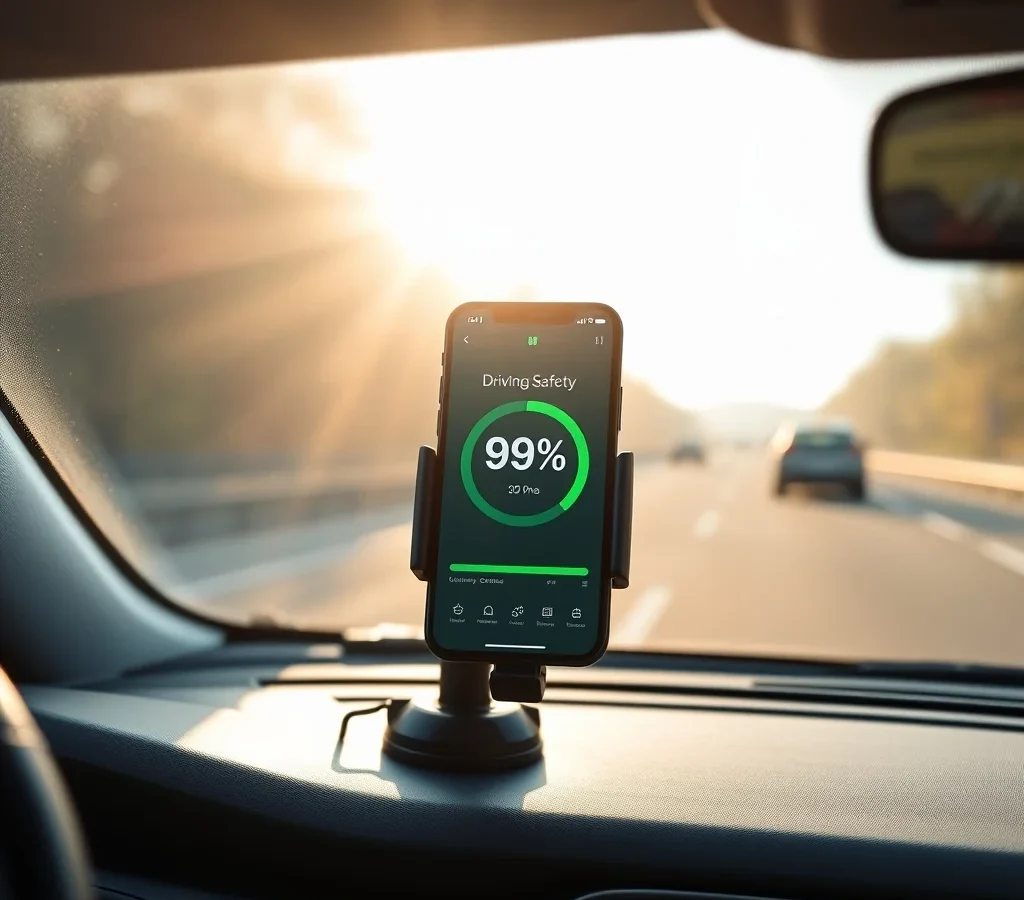
Usage-based car insurance (UBI), often referred to as telematics insurance, calculates your premium based on your real-time driving habits. Instead of grouping you into a broad risk category, insurance companies install a small device in your car’s OBD-II port or use a mobile app on your smartphone to gather data.
This technology monitors specific driving behaviors over a trial period, which typically lasts between 30 and 90 days. Some insurers track your driving continuously to adjust your premium at each renewal cycle. The primary goal is simple: reward safe driving habits with lower insurance premiums.
The Role of Telematics Technology
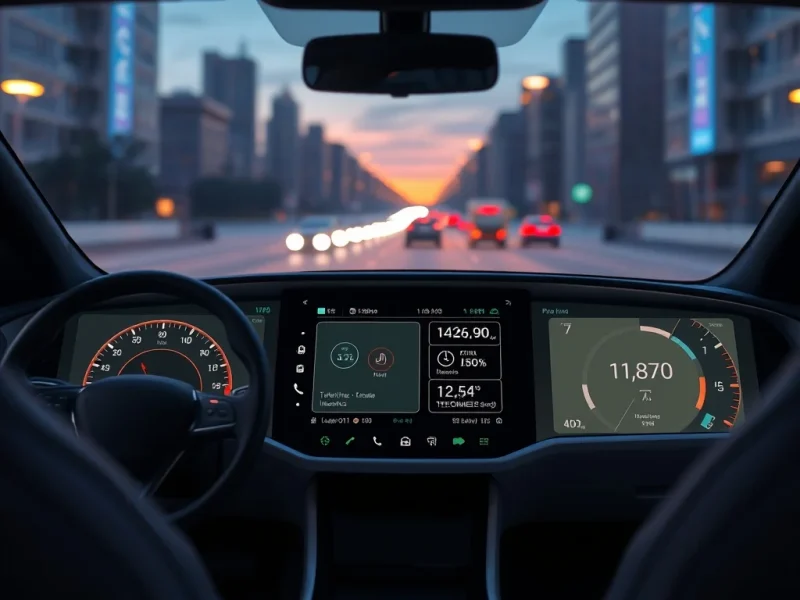
Telematics is the integration of telecommunications and informatics. In your vehicle, it acts as a silent observer that records data points every second you are on the road. The system securely transmits this data back to your insurance provider, where algorithms analyze your risk level. If your data shows consistent, low-risk driving behavior, the insurer rewards you with a discount on your premium.
What Do Telematics Devices Track?
Insurance companies look at a variety of metrics to build your driver profile. While every insurer uses a slightly different algorithm, most usage-based car insurance programs track the following key behaviors:
- Braking patterns: Frequent hard braking is flagged as a high-risk behavior because it often indicates tailgating or distracted driving.
- Acceleration: Rapid, aggressive acceleration can signal reckless driving habits and increases the likelihood of an accident.
- Mileage: The fewer miles you drive, the less exposure you have to potential accidents. Low-mileage drivers almost always receive better rates.
- Time of day: Driving late at night, particularly between midnight and 4:00 AM, is statistically more dangerous due to fatigue and poor visibility.
- Cornering: Taking sharp turns at high speeds indicates a lack of control and increases wear on the vehicle.
- Phone distraction: Many app-based telematics programs detect if you are actively using your phone while the vehicle is in motion.
Comparing Traditional vs. Usage-Based Car Insurance
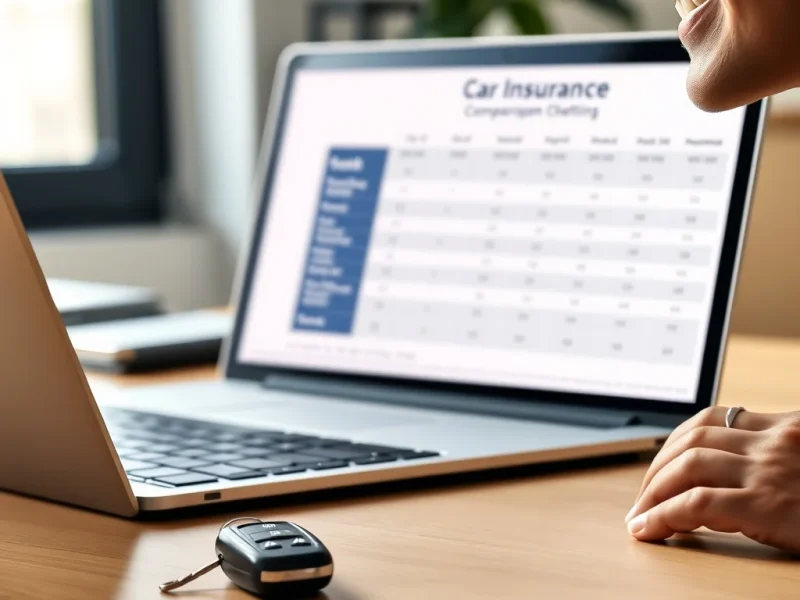
To help you understand the core differences, here is a direct comparison of traditional policies and usage-based car insurance:
| Feature | Traditional Car Insurance | Usage-Based Car Insurance (UBI) | ||||||||||||
|---|---|---|---|---|---|---|---|---|---|---|---|---|---|---|
| Pricing Basis | Demographics, credit score, vehicle make/model, driving history. | Real-time driving behavior, mileage, and habits. | Data Collection | None (static historical data only). | Mobile app, plug-in OBD-II device, or factory-installed systems. | Potential Savings | Limited to standard discounts (good student, multi-car). | Up to 30% to 40% for exceptionally safe, low-mileage drivers. | Rate Adjustments | Typically static until renewal or a claim is filed. | Can change dynamically at renewal based on recent driving data. | Privacy Level | High privacy; no real-time tracking. | Lower privacy; location and driving habits are actively monitored. |
Pros and Cons of Usage-Based Car Insurance
While the prospect of saving money is highly appealing, UBI is not a perfect fit for everyone. It is important to weigh the benefits against the potential drawbacks before signing up.
The Advantages
- Significant cost savings: Safe drivers can see premium reductions ranging from 10% to 40%, depending on the carrier.
- Encourages safer habits: Knowing you are being monitored naturally encourages you to drive more defensively, reduce speed, and avoid distractions.
- Accurate accident reconstruction: In the event of a collision, telematics data can prove you were not at fault by showing your speed and braking actions leading up to the impact.
- Vehicle tracking: If your car is stolen, the GPS capabilities of some telematics devices can help law enforcement locate it quickly.
The Disadvantages
- Privacy concerns: Some drivers are uncomfortable with their insurance company tracking their location, travel times, and driving habits 24/7.
- Potential rate increases: While many insurers promise your rates won’t go up for bad driving, some companies may increase your premiums if they detect aggressive driving habits.
- System inaccuracies: Telematics apps can sometimes mistake a passenger’s phone usage for the driver’s, or flag a necessary emergency stop as a negative “hard braking” event.
Expert Tips for Maximizing Your Savings
If you decide to enroll in a usage-based car insurance program, use these strategies to secure the highest possible discount:
- Leave plenty of following distance: Maintaining a safe distance from the car in front of you prevents the need for sudden, hard braking.
- Limit late-night driving: If possible, avoid driving during late-night hours when insurers apply heavy penalties to your safety score.
- Check passenger phone use: If using a mobile app for tracking, ensure the app knows when you are a passenger so your score isn’t hurt by someone else using your phone.
- Drive smoothly: Treat your gas and brake pedals gently. Gradual acceleration and smooth stops are highly rewarded by telematics algorithms.
Common Mistakes to Avoid
- Assuming all programs are the same: Some programs track you temporarily to set a discount, while others track you permanently. Read the terms carefully.
- Ignoring your driving data: Most apps provide weekly feedback. Review your dashboard regularly to see where you can improve your score.
- Enrolling if you have a long, stressful commute: If you regularly drive in heavy stop-and-go traffic, frequent hard braking may be unavoidable, which will hurt your score.
- Failing to update your status when ridesharing: If you use your vehicle for ridesharing, ensure your telematics program is compatible with your commercial activities.
Frequently Asked Questions
What is usage-based car insurance?
Usage-based car insurance is a type of auto insurance policy that calculates premiums based on real-time driving behaviors, such as speed, mileage, braking, and phone use, rather than relying solely on demographic factors.
How does telematics track my driving habits?
Telematics tracks your driving using either a small device plugged into your car’s OBD-II port or a dedicated mobile application installed on your smartphone. These tools collect GPS, accelerometer, and gyroscope data.
Can my rates go up with usage-based car insurance?
It depends on the insurance company. Some insurers guarantee that your rates will not increase and that you will only receive a discount. However, other companies reserve the right to raise your premiums if the data shows highly aggressive or unsafe driving habits.
Does usage-based insurance track my location?
Yes, most usage-based insurance programs use GPS technology to track your location. This helps them determine where you drive, the speed limits of those roads, and whether you are driving in high-risk areas.
Who benefits most from pay-how-you-drive programs?
Safe drivers, low-mileage drivers, retirees, and people who work from home benefit the most. Because they drive less and avoid peak traffic hours, they are statistically much less likely to be involved in accidents.
What is the difference between pay-per-mile and usage-based insurance?
Pay-per-mile insurance charges a flat daily rate plus a few cents for every mile you drive, focusing strictly on distance. Usage-based insurance focuses on how safely you drive, analyzing behaviors like braking, acceleration, and speed.
How much money can I save with usage-based car insurance?
Most participants save between 10% and 15% just for signing up. Excellent drivers with safe habits and low mileage can achieve ongoing discounts of up to 40% off their standard premium rates.
Does UBI work for high-risk or young drivers?
Yes, UBI can be highly beneficial for young or high-risk drivers. It gives them an opportunity to prove they are safe drivers, bypass high demographic-based rates, and establish a clean driving record quickly.
Conclusion
Usage-based car insurance represents a major shift toward personalized auto coverage. By rewarding safe habits and low mileage, telematics programs put you in control of what you pay. While privacy concerns and strict tracking algorithms might deter some drivers, those who practice defensive driving and spend minimal time on the highway stand to save hundreds of dollars annually. Take a close look at your daily driving habits to determine if making the switch to a usage-based policy is the right financial move for you.
Ready to see how much you can save? Contact your insurance provider today to ask about their telematics options, or compare quotes online to find a usage-based program that fits your lifestyle.