
With auto insurance premiums rising steadily across the country, drivers are searching for creative ways to lower their monthly bills. One of the most talked-about modern solutions is telematics car insurance. Often marketed as usage-based insurance (UBI) or pay-how-you-drive programs, this technology promises personalized rates based on how you actually behave behind the wheel. Instead of relying solely on generic demographic factors like your age, ZIP code, or marital status, insurers use real-time data to price your policy.
But is sharing your driving data with an insurance company truly worth the potential discount? While the promise of lower premiums is highly attractive, telematics programs come with trade-offs regarding privacy, tracking, and the potential for rate increases if you exhibit risky driving habits. This comprehensive guide breaks down how telematics car insurance works, its pros and cons, and how to decide if it is the right choice for your lifestyle.
What Is Telematics Car Insurance?
Telematics car insurance is a policy type that determines your premium based on your real-time driving behavior and mileage. The term “telematics” combines telecommunications and informatics. In practice, it refers to the technology used to collect, transmit, and analyze data from your vehicle while you drive.
Unlike traditional car insurance, which groups drivers into broad risk categories based on historical data, telematics allows for highly individualized pricing. If you drive safely, keep your mileage low, and avoid driving during high-risk hours, your insurer rewards you with a lower premium. Conversely, if the data shows aggressive driving habits, your rates may not drop, and with some insurers, they could even go up.
How Telematics Car Insurance Works
To participate in a telematics program, you must allow your insurance provider to track your driving. Insurers typically collect this data through one of three methods:
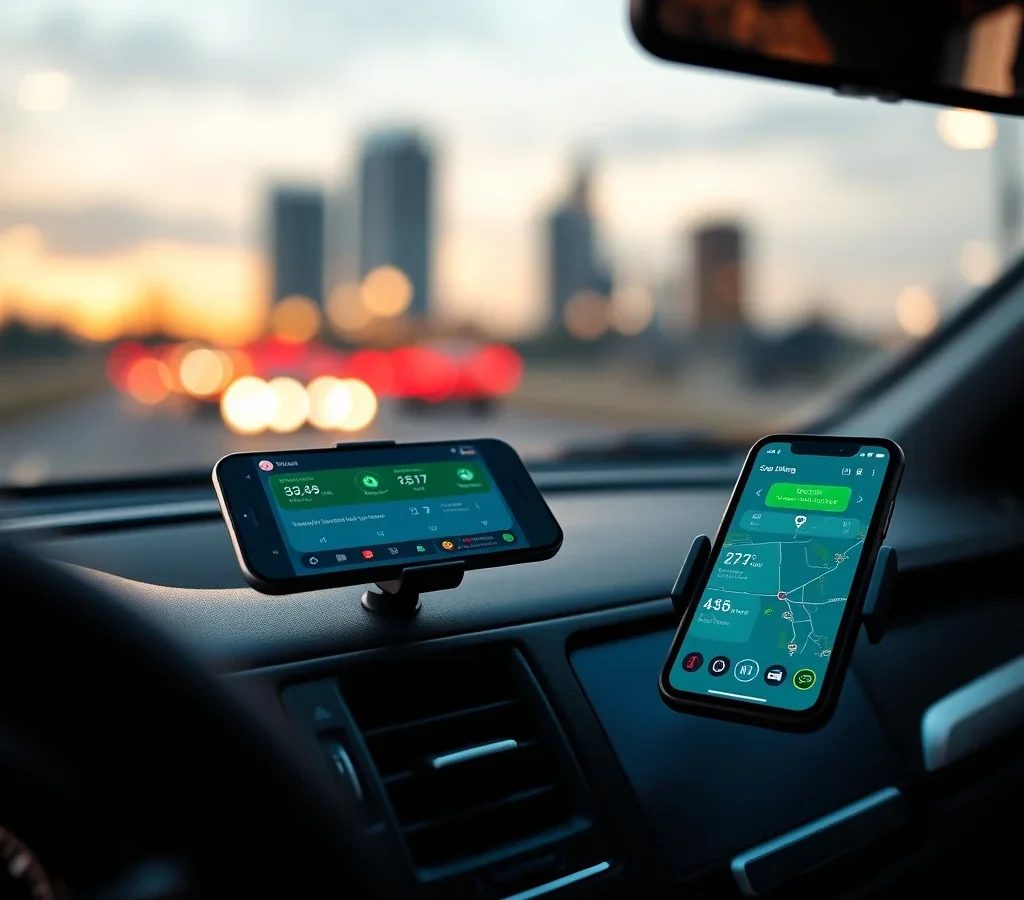
- Mobile Apps: The most common method. You download the insurance company’s dedicated app onto your smartphone, which uses your phone’s GPS, accelerometer, and gyroscope to monitor your trips.
- Plug-in Devices: A small telematics device is mailed to you, which you plug directly into your car’s OBD-II port (usually located under the dashboard).
- Built-in Systems: Many modern connected vehicles come equipped with factory-installed telematics systems (such as GM’s OnStar) that can transmit driving data directly to participating insurers with your permission.
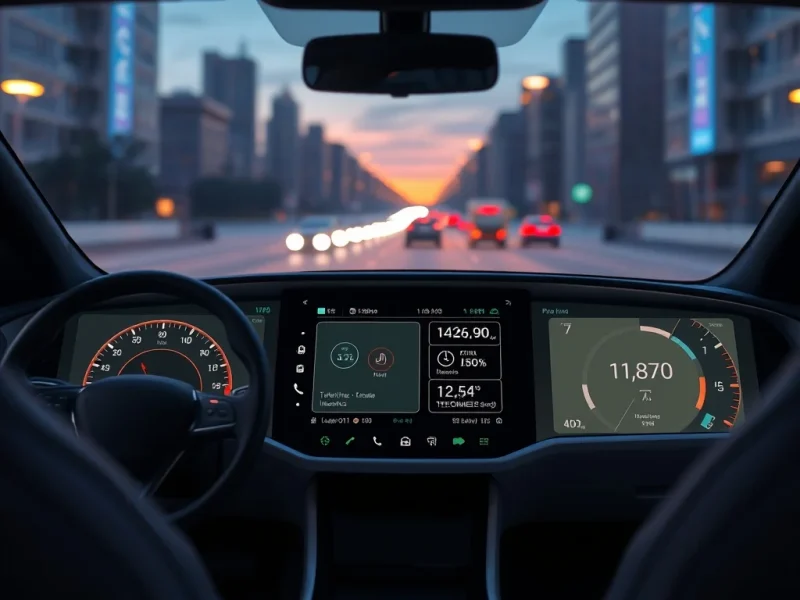
Once the tracking mechanism is active, it monitors several key metrics to paint a picture of your driving safety profile. These metrics generally include acceleration rates, braking force, cornering speed, time of day, and total distance traveled.
Comparing Traditional Insurance vs. Telematics
Understanding how telematics differs from traditional underwriting can help you decide which model fits your budget and comfort level. Below is a comparison of the two approaches:
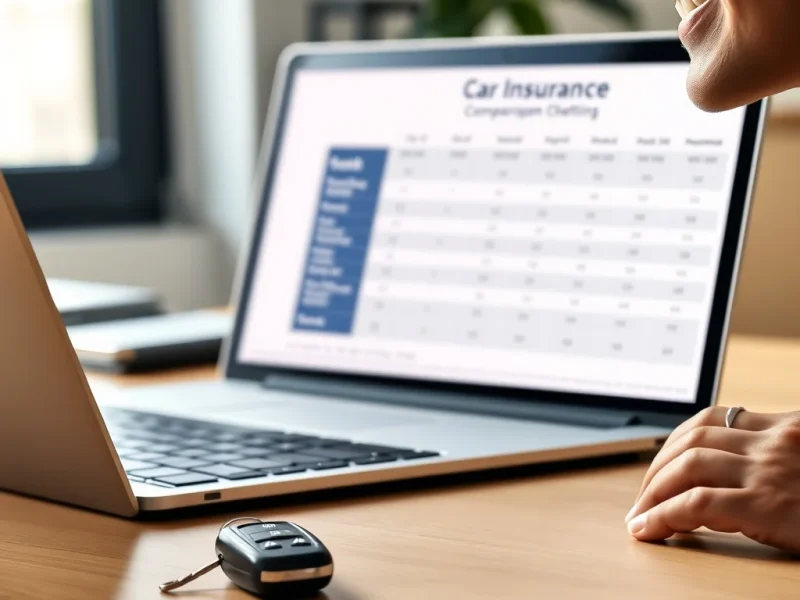
| Feature | Traditional Car Insurance | Telematics Car Insurance |
|---|---|---|
| Pricing Basis | Demographics, credit score, vehicle make, driving record. | Real-time driving behavior, mileage, and habits. |
| Data Collection | Static historical records and periodic self-reporting. | Continuous digital tracking via app, plug-in, or vehicle system. |
| Primary Benefit | No active tracking; predictable monthly pricing. | Potential for significant discounts for safe or low-mileage drivers. |
| Best For | Drivers who value privacy or have long, late-night commutes. | Safe drivers, low-mileage drivers, and young drivers facing high rates. |
The Benefits of Telematics Insurance
For the right driver, telematics car insurance offers several clear advantages over traditional coverage models. The most immediate benefit is financial. Many insurance companies offer an instant sign-up discount just for enrolling in their telematics program, often ranging from 5% to 10%. Once the initial monitoring period (usually 30 to 90 days) is complete, safe drivers can unlock ongoing discounts of up to 30% or 40% off their base premium.
Beyond cost savings, telematics programs encourage safer driving habits. Because the mobile apps provide real-time feedback and weekly safety scores, drivers become more aware of their tendencies to hard-brake or speed. This feedback loop can actively reduce your risk of getting into an accident. Additionally, for parents of teen drivers, telematics apps offer an invaluable tool to monitor a teen’s driving habits and ensure they are practicing safe driving behaviors on the road.
Potential Drawbacks and Privacy Concerns
Despite the potential for savings, telematics is not a perfect fit for everyone. The most prominent concern for many consumers is data privacy. Participating in a telematics program means consenting to have your location, speed, and driving habits constantly recorded and transmitted. While insurers claim they do not sell this highly personal data to third parties, some drivers are uncomfortable with the level of surveillance required.
Another drawback is the risk of premium surcharges. While some insurance companies promise that your rates will never go up based on telematics data, others reserve the right to increase your premiums if the data reveals aggressive driving, frequent speeding, or high mileage. Furthermore, the mobile apps used for tracking can consume significant smartphone battery life and background cellular data, which can be an annoyance for daily commuters.
Expert Tips for Maximizing Telematics Discounts
If you decide to enroll in a telematics car insurance program, you can maximize your potential savings by adopting specific driving habits:
- Focus on Smooth Transitions: Avoid rapid acceleration and hard braking. Anticipate traffic stops early so you can glide to a gentle halt.
- Minimize Late-Night Driving: Statistically, the hours between midnight and 4:00 AM are the most dangerous on the road. Avoid driving during these times whenever possible, as telematics algorithms penalize late-night trips.
- Keep Your Mileage Low: Many programs factor in your total driving volume. Carpool, use public transit, or combine errands to keep your overall mileage down.
- Classify Trips Correctly: If you are a passenger in someone else’s car or taking public transit, check your telematics app to ensure those trips are not mistakenly categorized as you driving.
Common Mistakes to Avoid
Many drivers fail to secure their expected discounts due to easily avoidable mistakes. One common error is forgetting to keep your phone’s Bluetooth and location services active. If the app cannot track your trips consistently, you may lose your enrollment discount or be disqualified from the program entirely.
Another mistake is letting other family members with aggressive driving habits drive your vehicle while your phone is in the car, or conversely, letting them drive with their own phones registered to your account. Because telematics profiles are highly sensitive to sudden changes in driving patterns, consistency is key to securing and maintaining your safe-driver status.
Frequently Asked Questions
What is telematics car insurance?
Telematics car insurance is a usage-based insurance policy that monitors your real-time driving habits—such as speed, braking, acceleration, and mileage—using a mobile app or plug-in device to calculate your personalized premium discounts.
Can telematics increase my car insurance rates?
It depends on your insurance provider. Some insurers guarantee that your rates will only stay the same or decrease based on your driving data. However, other companies reserve the right to raise your premiums if the data reveals high-risk habits like chronic speeding or hard braking.
What data does a telematics device collect?
Most telematics systems track acceleration rates, braking intensity, cornering speeds, vehicle speed, total mileage, time of day, and GPS location. Mobile-app-based programs may also track phone distraction, such as physical handling of the phone while driving.
Is my driving data safe with insurance companies?
Insurance companies are bound by strict privacy policies and state regulations regarding consumer data. Generally, they do not sell your driving data to third-party advertisers. However, you should always read the specific terms and conditions of your insurer’s program to understand how your data is stored and shared.
Does telematics drain your phone battery?
Because telematics mobile apps run in the background and utilize GPS, Bluetooth, and cellular data, they can consume more battery power than standard apps. Keeping a charger in your car is highly recommended for long commutes.
How much can I save with usage-based car insurance?
Savings vary widely by insurer and driving behavior. Many companies offer a 5% to 10% discount just for signing up, with the potential to reach up to 30% to 40% off your premium if you consistently demonstrate exceptionally safe driving habits.
Can I opt out of a telematics program?
Yes, you can opt out of a telematics program at any time if you decide you do not like the tracking or are not receiving a sufficient discount. However, opting out will result in the loss of any participation discounts you were receiving.
Does telematics track where I drive or just how I drive?
Telematics programs track both. They monitor how you drive (braking, speed, acceleration) and where you drive (using GPS to log trip routes, total mileage, and the types of roads you frequent) to evaluate your overall risk profile.
Conclusion
Telematics car insurance represents a major shift in how auto insurance is priced, offering a path to significant savings for safe, low-mileage, and defensive drivers. By trading a degree of digital privacy for personalized rates, you can break free from generic demographic pricing and take control of your monthly insurance expenses. If you are comfortable sharing your driving data and committed to safe habits behind the wheel, contacting your insurance provider about their telematics options is an excellent next step to lower your premium.