
Car insurance premiums have reached historic highs, leaving many drivers searching for practical ways to lower their monthly expenses. If you have excellent driving habits or rarely use your vehicle, traditional pricing models can feel unfair. Traditional insurance relies heavily on demographic factors like your age, ZIP code, credit score, and marital status to determine your risk profile. However, technology has introduced a more personalized alternative: usage-based car insurance.
Usage-based car insurance (UBI), often powered by telematics technology, allows insurance companies to price your policy based on how you actually drive rather than how your demographic group drives on average. By tracking real-time behaviors such as speed, braking intensity, and mileage, UBI programs promise significant discounts for safe, low-mileage drivers. But is sharing your driving data worth the potential savings? This comprehensive guide explores how usage-based insurance works, its pros and cons, and how to determine if it is the right choice for your lifestyle.
The Evolution of Car Insurance Pricing
For decades, auto insurance pricing was a game of group statistics. Actuaries grouped drivers by risk variables: young drivers paid more because youth correlates with higher accident rates; drivers in urban ZIP codes paid more due to traffic density. While statistically sound, this system penalizes safe individuals who happen to fall into high-risk demographics.
Usage-based car insurance flips this model by focusing on individual behavior. Instead of assuming you are a risky driver because of your age or location, insurers monitor your actual performance behind the wheel. The rise of smartphones, GPS technology, and connected vehicle platforms has made this continuous monitoring seamless, giving rise to highly customized insurance programs across major carriers.
How Telematics Technology Tracks Your Driving
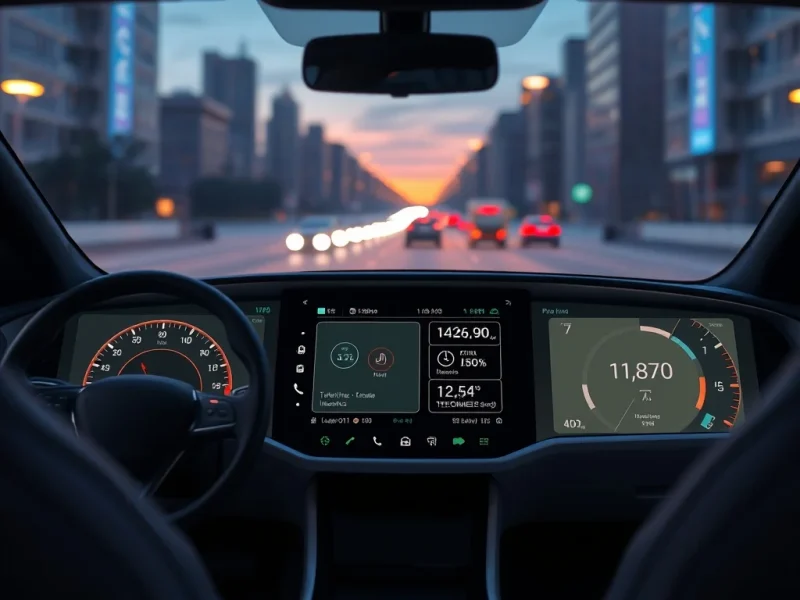
To understand usage-based car insurance, you must first understand telematics. Telematics is the integration of telecommunications and informatics. In the context of auto insurance, it refers to the technology used to collect and transmit data about your driving habits. Insurers typically gather this data through one of three methods:
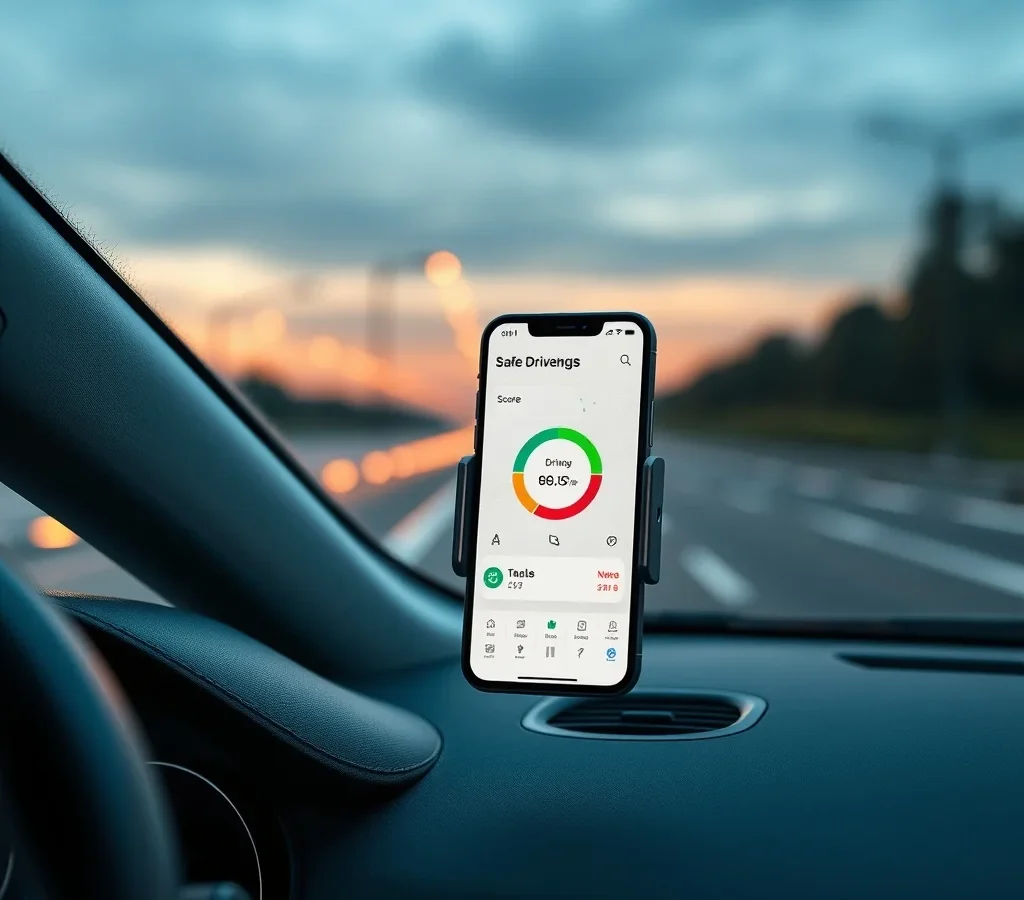
- Mobile Apps: Most modern UBI programs utilize a smartphone app. The app runs in the background, using your phone’s GPS, accelerometer, and gyroscope to monitor your trips.
- Plug-In Devices: Some insurers provide a small telematics device that plugs directly into your car’s OBD-II port (usually located under the dashboard). This device reads data directly from your vehicle’s computer.
- Built-In Connected Systems: Newer vehicles with factory-installed systems like OnStar can stream driving data directly to participating insurance providers without requiring external hardware or apps.
Regardless of the method used, these systems track several core metrics to build your driving profile:
- Braking and Acceleration: Frequent hard braking or rapid acceleration suggests aggressive driving or tailgating, which increases accident risks.
- Speed: Driving consistently above speed limits is flagged as high-risk behavior.
- Time of Day: Driving during high-risk hours, such as between midnight and 4:00 AM when fatigue-related accidents are peak, can negatively impact your score.
- Mileage: The less you drive, the lower your exposure to potential accidents. Some UBI programs function purely as pay-per-mile insurance.
- Phone Distraction: Smartphone-based apps can detect if you are actively using your phone while the vehicle is in motion.
Comparing Traditional vs. Usage-Based Insurance
Choosing between traditional and usage-based coverage requires understanding how they differ across key operational areas. The table below highlights the fundamental distinctions:
| Feature | Traditional Car Insurance | Usage-Based Car Insurance (UBI) |
|---|---|---|
| Pricing Basis | Demographic factors, vehicle type, and driving history. | Real-time driving behavior, mileage, and habits. |
| Data Collection | None (self-reported mileage and DMV records only). | Continuous tracking via mobile app, OBD-II device, or built-in vehicle systems. |
| Potential Savings | Standard discounts (good student, multi-policy, paperless). | Behavioral discounts ranging from 10% to 40% off standard rates. |
| Best Suited For | Long commuters, night-shift workers, and those highly protective of personal privacy. | Safe drivers, low-mileage drivers, work-from-home employees, and young drivers looking to prove safe habits. |
| Rate Adjustments | Adjusted at renewal based on claims, violations, or inflation. | Can adjust dynamically at renewal based on ongoing driving scores. |
The Financial Impact: How Much Can You Save?
The financial appeal of usage-based car insurance is its primary selling point. Most insurance companies offer an immediate sign-up discount just for enrolling in their telematics program, usually ranging from 5% to 10%. Once the monitoring period is complete—typically lasting between 30 to 90 days, though some programs monitor continuously—your permanent discount is calculated.
According to industry data, drivers with excellent safety scores can save anywhere from 15% to 40% on their collision and liability premiums. For a driver paying an average premium of $1,800 per year, a 30% discount translates to savings of $540 annually. However, these maximum discounts are reserved for drivers with near-perfect habits: those who rarely drive late at night, avoid sudden stops, and keep their total mileage low.
The Pros and Cons of Usage-Based Car Insurance
While the prospect of saving hundreds of dollars is tempting, UBI is not a perfect fit for everyone. It is essential to weigh the benefits against the potential drawbacks before signing up.
The Advantages
- Personalized Control Over Premiums: You are directly rewarded for your safe behavior, giving you active control over your insurance costs.
- Encourages Safer Habits: Many telematics apps provide real-time feedback and coaching, helping drivers identify and correct dangerous habits like hard braking or speeding.
- Excellent for Low-Mileage Drivers: If you work from home or use public transit, pay-per-mile options ensure you do not pay the same rate as someone with a daily 50-mile commute.
- Accident Reconstruction and Theft Recovery: In the event of a crash, telematics data can help prove you were not at fault. GPS-enabled devices can also assist police in locating your vehicle if it is stolen.
The Disadvantages
- Privacy Concerns: You must be comfortable sharing your location, speed, and driving schedule with your insurance company.
- Penalties for Unavoidable Driving: Telematics systems cannot distinguish between reckless driving and defensive driving. If you slam on your brakes to avoid a sudden hazard or an animal, the system flags it as a negative “hard braking” event.
- Rate Surcharges: While many insurers promise they will not raise your rates for poor driving scores, some companies reserve the right to increase premiums for drivers flagged as exceptionally risky.
- App Performance Issues: Mobile-based telematics apps can drain your smartphone’s battery and consume cellular data in the background.
Expert Tips for Maximizing Your Safe Driving Score
If you decide to enroll in a usage-based insurance program, you can maximize your potential savings by implementing these practical strategies:
- Increase Your Following Distance: The number one reason drivers lose their UBI discount is hard braking. By maintaining a generous gap between your car and the vehicle ahead, you will have plenty of time to come to a smooth, gradual stop.
- Avoid Late-Night Driving: If possible, minimize driving between midnight and 4:00 AM. If you must travel during these hours, drive with extreme caution to offset the inherent risk factor.
- Accelerate Gently: Treat your gas pedal with care. Imagine an egg is placed under your foot; press down gradually to avoid triggering rapid acceleration flags.
- Check App Classifications: If your program uses a mobile app, periodically check your trip history. Ensure the app has not misclassified trips where you were a passenger in someone else’s car or riding on public transit as your own driving.
Common Mistakes to Avoid with Telematics Programs
Many policyholders miss out on maximum savings due to easily avoidable mistakes. Be sure to steer clear of these pitfalls:
- Using Your Phone at Red Lights: Telematics apps detect phone movement when the car is running. Checking a text message while stopped at a red light can still be flagged as distracted driving.
- Ignoring App Permissions: If you accidentally revoke location access or turn off Bluetooth, the app may stop tracking your trips, which can lead to disqualification from the program or loss of your discount.
- Failing to Disclose Multiple Drivers: If multiple household members share a vehicle, make sure everyone is registered correctly. A safe driver’s score can easily be dragged down by a family member with aggressive driving habits.
- Underestimating Your Annual Mileage: If you enroll in a pay-per-mile plan but suddenly take on a long-distance commute, your costs could skyrocket past traditional policy rates.
Frequently Asked Questions
What is usage-based car insurance?
Usage-based car insurance is a type of auto coverage that calculates your premium based on your actual driving behavior and mileage. Instead of relying solely on demographic factors, insurers use telematics technology to monitor habits like braking, acceleration, speed, and time of day to determine personalized discounts.
Can my rates go up if I drive poorly?
It depends on your insurance provider. While many major insurance companies promise they will only use telematics data to apply discounts, some carriers reserve the right to increase your premiums if the data reveals highly risky behaviors, such as excessive speeding or frequent distracted driving.
How does a telematics device track my driving?
Telematics tracking is typically done through a smartphone application that runs in the background, a small device plugged into your car’s OBD-II port, or a built-in connected vehicle system like OnStar. These tools collect GPS and sensor data to analyze your driving patterns.
Does usage-based insurance track my location?
Yes, most usage-based insurance programs use GPS technology to track where you drive, when you drive, and how far you travel. If you are highly sensitive about personal privacy and location sharing, a standard traditional policy may be a better fit for your needs.
Is pay-per-mile insurance the same as usage-based insurance?
Pay-per-mile insurance is a specific type of usage-based insurance. While behavior-based UBI focuses on how safely you drive, pay-per-mile coverage focuses strictly on how far you drive. It charging a flat daily base rate plus a set fee for every mile you travel.
How much money can I save with telematics?
Most drivers save between 10% and 15% on their premiums, while exceptionally safe, low-mileage drivers can earn discounts of up to 40%. Many insurers also offer an immediate sign-up discount of 5% to 10% just for enrolling in the program.
Does usage-based insurance drain my phone battery?
Because telematics apps run in the background and use GPS and motion sensors to track trips, they can consume more battery power than standard apps. Keeping your phone connected to a car charger during your commute can easily mitigate this issue.
Is usage-based car insurance worth it for young drivers?
Yes, usage-based insurance is highly beneficial for young drivers. Because teens and young adults face high traditional insurance rates due to their demographic risk, a telematics program allows them to prove their safe driving habits and secure substantial discounts early on.
Conclusion
Usage-based car insurance represents a major shift toward personalized, transparent auto insurance pricing. By rewarding safe habits and low mileage, telematics programs put you in control of what you pay. While privacy concerns and strict tracking parameters are valid drawbacks, the potential for substantial savings makes UBI an attractive option for cautious, low-mileage drivers.
If you are ready to see how your driving habits translate into real-world savings, contact your insurance provider today to ask about their telematics options, or compare usage-based car insurance quotes online to find the perfect coverage for your budget.