
The landscape of vehicle ownership is undergoing its most rapid transformation in decades. As we look toward the horizon, auto insurance trends 2026 point to a market deeply influenced by cutting-edge technology, shifting economic realities, and evolving consumer behaviors. Gone are the days when car insurance was a static, once-a-year administrative afterthought. Today, it is an active, data-driven ecosystem where premiums are calculated in real-time and claims are processed in minutes.
For drivers, staying ahead of these changes is no longer optional; it is the key to maintaining affordable coverage. Rising vehicle complexity, premium inflation, and the integration of artificial intelligence are reshaping how risk is assessed. This comprehensive guide explores the pivotal shifts defining auto insurance trends 2026 and provides actionable strategies to help you secure the best rates in this new era.
Table of Contents
- Major Drivers Reshaping Auto Insurance Trends in 2026
- How Electric Vehicles Impact 2026 Insurance Rates
- Comparison: Traditional vs. Modern Auto Insurance Models
- Strategic Ways to Lower Your Premiums Amid 2026 Trends
- Common Mistakes to Avoid in the 2026 Insurance Market
- Expert Tips for Navigating 2026 Auto Insurance
- Frequently Asked Questions
- Conclusion
Major Drivers Reshaping Auto Insurance Trends in 2026
The auto insurance sector is moving away from generalized demographic risk pools toward hyper-personalized pricing. Several macroeconomic and technological forces are converging to accelerate this shift.
The Dominance of Telematics and Usage-Based Insurance (UBI)
Telematics—where insurers track your actual driving habits via smartphone apps or built-in vehicle hardware—has transitioned from a niche discount program into the industry standard. By 2026, most major carriers will expect drivers to participate in telematics programs to access their most competitive rates. These systems monitor acceleration, braking, cornering, speed, and phone distraction to build a highly accurate driver risk profile.
AI-Powered Claims and Instant Adjusting
Artificial intelligence is fundamentally changing how claims are handled. When an accident occurs, drivers can now upload photos of the damage directly to an app. AI algorithms analyze the images against vast databases of repair costs, generating an initial repair estimate within minutes. This automation reduces administrative overhead for insurance companies and drastically shortens the time policyholders wait for claim approvals.
Rising Vehicle Complexity and Repair Costs
Modern vehicles are essentially computers on wheels. Even basic sedans are now equipped with Advanced Driver Assistance Systems (ADAS), including bumper-mounted radar sensors, windshield cameras, and ultrasonic parking guides. While these technologies prevent collisions, they significantly increase repair costs after an accident. A simple fender bender that once cost $500 to repair can now easily exceed $3,000 because of sensor replacement and calibration requirements.
How Electric Vehicles Impact 2026 Insurance Rates
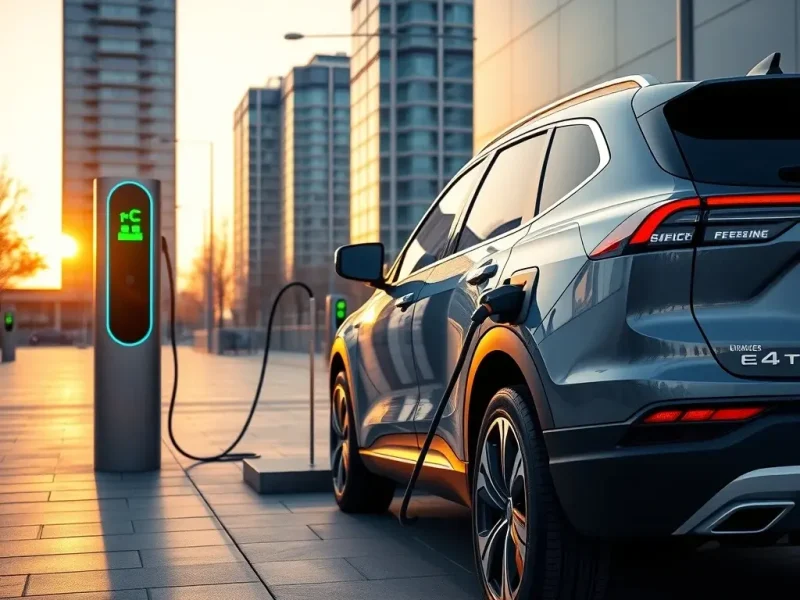
Electric vehicles (EVs) continue to capture market share, and their unique risk profiles are heavily influencing auto insurance trends 2026. While EVs have fewer moving parts than internal combustion engine vehicles, they present distinct challenges for insurers.
Battery packs represent a massive percentage of an EV’s total value. If a battery is damaged in even a minor undercarriage collision, the entire pack often must be replaced, frequently resulting in the vehicle being declared a total loss. Additionally, a shortage of certified EV repair technicians contributes to longer cycle times and higher labor rates. As a result, EV drivers can expect to pay a premium for comprehensive and collision coverage, though specialized EV insurance products are beginning to emerge to offer more balanced rates.
Comparison: Traditional vs. Modern Auto Insurance Models
To help you understand your options in the 2026 market, here is a comparison of the primary insurance structures available today:
| Feature | Traditional Policies | Telematics (UBI) | Pay-Per-Mile Insurance |
|---|---|---|---|
| Pricing Basis | Demographics, credit score, driving record | Real-time driving behavior and habits | Actual mileage driven plus a low base rate |
| Best For | Drivers who value complete privacy | Safe, consistent drivers with good habits | Low-mileage drivers and remote workers |
| Premium Flexibility | Fixed for the 6- or 12-month term | Adjusts at renewal based on driving scores | Fluctuates monthly based on mileage |
| Data Sharing | Minimal data shared with insurer | Continuous monitoring of driving behavior | Odometer readings tracked via device or app |
Strategic Ways to Lower Your Premiums Amid 2026 Trends
With insurance rates projected to remain high due to inflation and advanced vehicle tech, drivers must be proactive. Implement these strategies to keep your auto insurance costs manageable:
- Embrace Telematics Wisely: If you are a safe driver who avoids hard braking and late-night driving, opting into a telematics program can instantly shave 10% to 40% off your premium.
- Opt for Pay-Per-Mile if You Work from Home: Remote and hybrid work arrangements have permanently reduced average annual mileage for millions. If you drive fewer than 8,000 miles a year, pay-per-mile coverage is often the most cost-effective option.
- Increase Your Deductibles: Raising your comprehensive and collision deductibles from $500 to $1,000 can lower your monthly premiums by up to 15%. Just ensure you have the deductible amount readily accessible in an emergency fund.
- Bundle Your Policies: Combining your auto insurance with homeowners, renters, or life insurance remains one of the most reliable ways to secure multi-policy discounts.
- Maintain an Excellent Credit Score: In states where it is legally permissible, insurers rely heavily on credit-based insurance scores to predict risk. Keeping your credit utilization low can directly lower your insurance premiums.
Common Mistakes to Avoid in the 2026 Insurance Market
Navigating the modern insurance marketplace requires avoiding several common pitfalls that can quietly drain your wallet:
- Assuming Your Loyalty is Rewarded: Many insurers use “price optimization” algorithms to raise rates on long-term customers who are unlikely to shop around. Always compare quotes annually.
- Neglecting to Update Your Annual Mileage: If your commute has shortened, notify your insurer immediately. Failing to update your annual mileage estimate means you are likely paying for risk exposure that does not exist.
- Ignoring Policy Exclusions on New Tech: Read the fine print on your policy. Some standard policies may have limitations regarding software updates, cyber threats, or specialized sensor calibrations.
- Filing Small Claims: With the rising cost of repairs, filing a claim for a minor scratch that barely exceeds your deductible can cause your rates to spike at renewal, costing you more in the long run.
Expert Tips for Navigating 2026 Auto Insurance
- Shop Around at Least Once a Year: The insurance market is highly dynamic. A company that offered the best rates for you last year may no longer be competitive today.
- Ask for a Professional Policy Review: Sit down with an independent agent who can shop your profile across multiple carriers to find tailored discounts you might miss online.
- Leverage Safety Feature Discounts: Ensure your insurer is aware of every safety feature on your vehicle, including lane-keep assist, automatic emergency braking, and anti-theft tracking systems.
Frequently Asked Questions
How will auto insurance trends in 2026 affect my monthly premium?
In 2026, premiums are heavily influenced by rising vehicle repair costs and inflation. However, drivers who adopt telematics, maintain clean driving records, and shop around can offset these increases by taking advantage of highly personalized pricing models.
Is telematics mandatory for car insurance in 2026?
While not universally mandatory, telematics is rapidly becoming the default option for securing competitive rates. Drivers who opt out of data sharing may find themselves paying higher baseline premiums than those who participate in tracking programs.
Why are electric vehicle insurance rates different from gas cars?
Electric vehicles cost more to insure primarily due to the high replacement value of their battery packs and the specialized equipment and labor required to repair them after an accident.
What is pay-per-mile car insurance, and is it worth it?
Pay-per-mile insurance charges a flat monthly base rate plus a few cents per mile driven. It is highly beneficial for low-mileage drivers, remote workers, or households with secondary vehicles that are rarely driven.
How does AI impact the speed of auto insurance claims?
AI streamlines the claims process by using computer vision to analyze photos of vehicle damage, verify policy coverage, and generate instant repair estimates, often reducing the approval time from weeks to hours.
Can my driving data from 2025 impact my 2026 rates?
Yes. If you are enrolled in a continuous telematics program, your driving habits throughout the previous year directly determine your risk profile and premium rates for your 2026 policy renewal.
What is the average car insurance cost projection for 2026?
Projections indicate that average insurance costs will continue to rise incrementally due to the complexity of modern vehicle technology, though personalized pricing models will offer wider rate disparities between high-risk and low-risk drivers.
How can I protect my data privacy with telematics insurance?
Before signing up for a telematics program, carefully review the insurer’s privacy policy. Look for carriers that explicitly state they do not sell your driving or location data to third-party marketing firms.
Conclusion
The auto insurance trends 2026 highlight a clear shift toward a highly personalized, tech-driven marketplace. While macroeconomic factors like vehicle complexity and inflation continue to push baseline costs upward, modern consumers have more control over their premiums than ever before. By embracing usage-based insurance, optimizing coverage for actual mileage, and avoiding common coverage pitfalls, you can navigate these market shifts with confidence. Take control of your auto insurance strategy today by comparing quotes and assessing whether a modern, data-driven policy is right for your lifestyle.