
Transitioning to an electric vehicle (EV) is an exciting step toward a more sustainable future. However, many new EV owners are surprised when they receive their first premium quote. While driving an electric car saves money on fuel and traditional maintenance, protecting your investment requires a clear understanding of electric vehicle insurance. EV insurance operates on the same basic principles as standard car insurance, but the unique technology, high repair costs, and specialized components of electric cars directly impact your monthly premiums.
Why Electric Vehicle Insurance Differs from Standard Auto Insurance
At its core, electric vehicle insurance includes the same standard coverages you are familiar with: liability, collision, comprehensive, personal injury protection, and uninsured motorist coverage. However, the risk calculations that insurers use to determine your premium are vastly different for EVs compared to internal combustion engine (ICE) vehicles.
High Technology and Specialized Components
Electric vehicles are essentially computers on wheels. They are packed with advanced driver-assistance systems (ADAS), sensitive sensors, cameras, and radar equipment. Even a minor fender bender can damage these sophisticated components, requiring expensive calibration and replacement rather than simple bodywork.
The Cost of Battery Replacement
The lithium-ion battery pack is the most expensive component of an electric vehicle, often costing between $5,000 and $20,000 depending on the make and model. If a collision damages the battery pack, insurance companies frequently write off the vehicle as a total loss because the cost of replacing the battery exceeds the car’s salvage value.
Specialized Repair Networks
Not every local auto body shop is equipped or certified to repair electric vehicles. EV repairs require specialized training, high-voltage safety equipment, and specific manufacturer certifications. Because certified EV mechanics are in shorter supply, labor rates are significantly higher, which drives up collision and comprehensive claims costs for insurers.
Average Cost of EV Insurance vs. Gas-Powered Cars
On average, insuring an electric vehicle costs roughly 15% to 25% more than insuring a comparable gas-powered car. Insurance rates are highly individualized, but the baseline cost is consistently higher for electric models due to their higher market value and repair complexity.
| Feature | Electric Vehicles (EV) | Gas-Powered Vehicles (ICE) |
|---|---|---|
| Average Premium Cost | Higher (15% – 25% above average) | Standard baseline rates |
| Repair Complexity | High (Requires certified technicians) | Moderate (Widely serviceable) |
| Battery Replacement Cost | Extremely High ($5,000 – $20,000+) | Low ($100 – $300 for 12V starter battery) |
| Total Loss Risk | Higher due to battery damage limits | Standard depreciation curves |
Key Factors Influencing Your EV Insurance Premium
When calculating your electric vehicle insurance rate, underwriters evaluate several risk factors specific to both you and your vehicle:
- Vehicle Purchase Price: Because EVs generally have a higher manufacturer’s suggested retail price (MSRP) than equivalent gas cars, they cost more to replace in the event of a total loss.
- Battery Size and Location: Larger batteries that sit low in the chassis are vulnerable to undercarriage damage from road debris, which can trigger expensive claims.
- Instant Torque and Performance: Electric motors deliver instant torque, leading to rapid acceleration. Insurers associate high-performance acceleration with a statistically higher risk of accidents, particularly for younger or inexperienced drivers.
- Driver Demographics and Location: Your driving record, age, credit score (in most states), and geographic location remain foundational elements of your premium calculation.
How to Lower Your Electric Vehicle Insurance Rates
While EV insurance carries a premium, you do not have to overpay. Implement these practical strategies to lower your monthly costs:
1. Shop Around and Compare Quotes
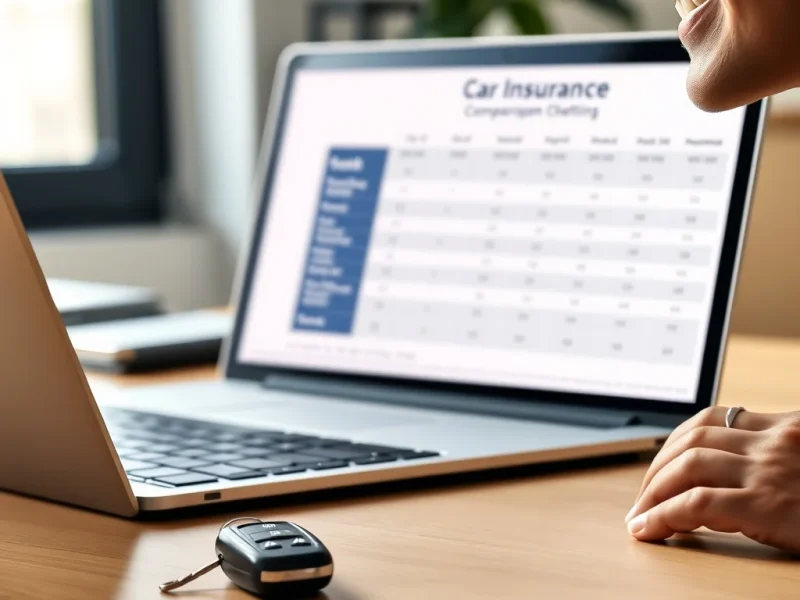
Insurance companies weigh EV risks differently. A company that has a large pool of EV data might offer much more competitive rates than an insurer that is cautious about underwriting electric cars. Always obtain at least three customized quotes online before purchasing a policy.
2. Ask for Green Vehicle Discounts
Many major insurance providers offer specialized discounts simply for driving an environmentally friendly vehicle. These “green vehicle” or “alternative fuel” discounts can shave 5% to 10% off your premium.
3. Leverage Telematics and Usage-Based Insurance
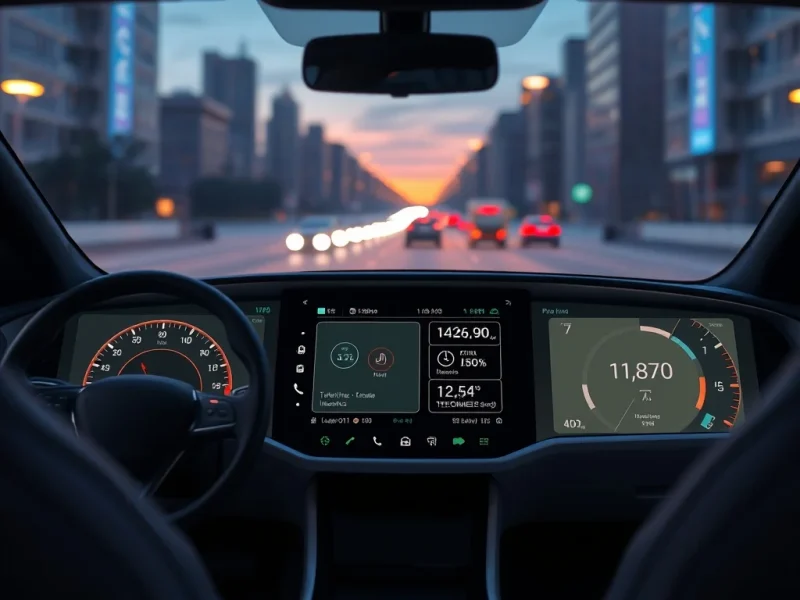
If you drive less than the national average or maintain safe driving habits, consider a telematics or pay-per-mile program. By allowing your insurer to track your driving habits via an app or your vehicle’s built-in cellular connection, you can earn substantial discounts based on actual performance rather than demographic averages.
4. Bundle Your Policies
One of the easiest ways to reduce your insurance costs is to bundle your electric vehicle insurance with your homeowners, renters, or umbrella insurance policies. Most carriers offer multi-policy discounts ranging from 10% to 22%.
Common Mistakes to Avoid When Insuring an EV
Avoid these common pitfalls to ensure you are fully protected without overpaying:
- Assuming standard roadside assistance is sufficient: EVs cannot be flat-towed like standard cars without damaging the electric motors. Ensure your roadside assistance policy specifically covers flatbed towing.
- Underestimating the value of Gap Insurance: Because new EVs can depreciate rapidly in their first few years, you could owe more on your auto loan than the car is worth. Gap insurance covers this financial difference if your vehicle is totaled.
- Overlooking battery coverage details: Read your policy details carefully to ensure the main battery pack is fully covered under your comprehensive and collision terms, especially if you lease the battery separately.
Expert Tips for EV Owners
Before finalizing your electric vehicle insurance policy, keep these professional recommendations in mind:
- Verify Charger Coverage: If you install a Level 2 charging station at your home, check if your homeowners insurance covers damage to the charger, or if you need to list it under your auto policy’s custom equipment coverage.
- Inquire About OEM Parts: Request an Original Equipment Manufacturer (OEM) parts rider. This ensures that any repairs are done using official manufacturer parts rather than generic third-party components, which is vital for maintaining your EV’s warranty.
- Keep Mileage Updated: If you primarily use your EV for short commutes, ensure your policy reflects your actual low mileage to capture low-mileage discounts.
Frequently Asked Questions
Is electric vehicle insurance more expensive than standard car insurance?
Yes, electric vehicle insurance is generally 15% to 25% more expensive than standard car insurance. This is primarily due to the higher purchase price of EVs, the high cost of specialized parts like the lithium-ion battery, and the need for certified technicians to perform repairs.
Does standard auto insurance cover the EV battery?
Yes, your comprehensive and collision coverages will cover the EV battery if it is damaged in an accident, fire, flood, or vandalism. However, standard insurance does not cover normal battery degradation, wear and tear, or manufacturer defects, which are typically covered by the manufacturer’s warranty.
Are there specific insurance discounts for electric vehicles?
Many insurance companies offer