
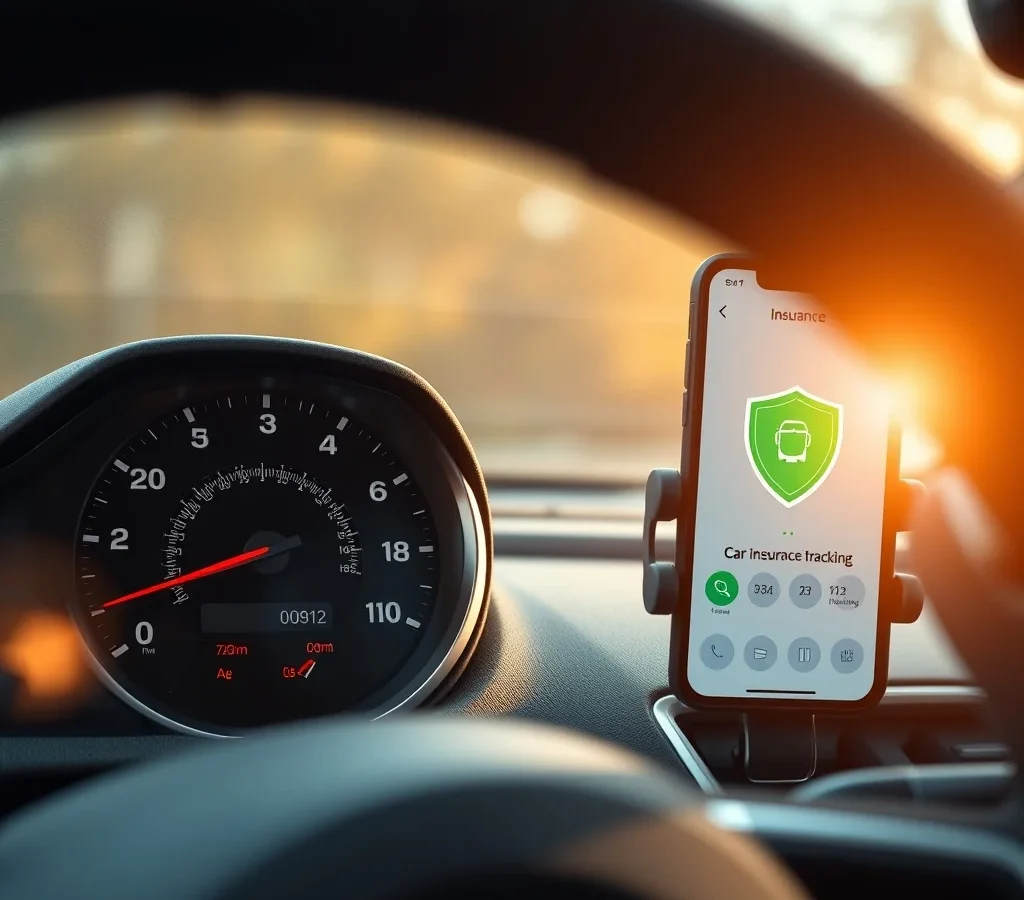

If you find your car sitting in the driveway more often than it is on the open road, you are likely overpaying for your auto coverage. Traditional car insurance policies charge a flat premium based on historical risk factors, regardless of whether you drive 3,000 or 15,000 miles a year. This pricing model often penalizes those who limit their time behind the wheel.
Enter pay-per-mile car insurance—a modern, flexible alternative designed specifically for low-mileage drivers. By restructuring how premiums are calculated, this model allows motorists to take control of their insurance expenses. In this comprehensive guide, we will explore how pay-per-mile coverage works, who benefits the most, and how to determine if making the switch is the right financial move for you.
What Is Pay-Per-Mile Car Insurance?
Pay-per-mile car insurance, also known as usage-based insurance, is a policy structure where your monthly premium is directly tied to the actual distance you drive. Instead of paying a fixed sum every month, your cost is split into two distinct components: a flat monthly base rate and a variable per-mile rate.
This insurance model has grown rapidly in popularity due to the rise of remote work, hybrid schedules, and urban public transportation. According to the Federal Highway Administration, the average American drives roughly 13,500 miles per year. However, millions of drivers fall far below this average. For these individuals, paying the same rate as a daily long-distance commuter makes little financial sense.
How Does Pay-Per-Mile Car Insurance Work?
Understanding the pricing mechanics of pay-per-mile insurance is straightforward. Your monthly bill is calculated using a simple formula: Base Rate + (Number of Miles Driven x Per-Mile Rate) = Your Total Monthly Premium.
1. The Base Rate
The base rate is a fixed monthly fee that does not change, regardless of how much you drive. This rate covers your car while it is parked, protecting it against non-driving risks such as theft, vandalism, weather damage, and falling objects. Your specific base rate is determined by standard insurance factors, including your age, driving record, vehicle make and model, and geographic location.
2. The Per-Mile Rate
The per-mile rate is a small, fixed charge for every mile you actively drive during the billing cycle. For example, if your per-mile rate is $0.06 and you drive 300 miles in a month, your mileage charge for that month would be $18.00. Like the base rate, this fee is customized based on your personal risk profile.
3. How Miles Are Tracked
To calculate your monthly bill accurately, insurance providers must track your mileage. This is typically done using one of three methods:
- OBD-II Devices: A small device plugged directly into your car’s onboard diagnostics port, which automatically transmits mileage data to the insurer.
- Mobile Apps: A smartphone application that uses GPS and accelerometer sensors to detect when you are driving and log the distance.
- Connected Vehicle Accounts: Direct integration with your vehicle’s built-in telematics system (such as OnStar), allowing the insurer to read the odometer directly from the car.
Pay-Per-Mile vs. Traditional Car Insurance
To help you visualize the structural differences between these two insurance models, compare their key features below:
| Feature | Pay-Per-Mile Insurance | Traditional Insurance |
|---|---|---|
| Pricing Structure | Fixed base rate + per-mile fee | Flat monthly or semi-annual premium |
| Best Suited For | Drivers logging under 10,000 miles per year | Daily commuters and long-distance drivers |
| Mileage Tracking | Required (via plug-in device, app, or vehicle integration) | Not required (estimated annual mileage only) |
| Cost Predictability | Fluctuates monthly based on actual road usage | Highly predictable, static monthly payments |
| Coverage Options | Full coverage available (Liability, Comprehensive, Collision) | Full coverage available (Liability, Comprehensive, Collision) |
Who Saves the Most with Pay-Per-Mile Insurance?
While pay-per-mile insurance offers substantial savings for some, it is not a one-size-fits-all solution. The financial benefits are highly dependent on your lifestyle and driving habits. The following groups typically experience the most significant savings:
- Remote and Hybrid Workers: Professionals who no longer face a daily physical commute can slash their insurance costs significantly by switching from traditional policies.
- Retirees: Older adults who drive primarily for local errands, medical appointments, or social visits often log far fewer miles than the national average.
- City Dwellers: Urban residents who rely on public transit, walking, or cycling for their daily commutes, using their personal vehicles only for weekend trips.
- College Students: Students who leave their vehicles parked on campus for extended periods or leave their cars at home while attending school.
- Multi-Vehicle Households: Families with a secondary vehicle that is rarely driven can convert that car to a pay-per-mile policy to lower overall household expenses.
Potential Drawbacks and Privacy Concerns
Before transitioning to a pay-per-mile policy, it is important to weigh the potential downsides. The most common concern among drivers is privacy. Because these policies require continuous mileage tracking, some motorists feel uncomfortable sharing their location and driving data with insurance companies.
Additionally, pay-per-mile insurance introduces variable monthly expenses. If you plan an unexpected cross-country road trip, your insurance bill for that month will spike. Fortunately, most reputable pay-per-mile providers implement a daily mileage cap (often around 150 to 250 miles per day), meaning you won’t be charged for miles driven beyond that limit in a single day.
Expert Tips for Maximizing Savings
If you are considering switching to a pay-per-mile car insurance policy, keep these actionable tips in mind to ensure you get the best possible value:
- Track Your Current Mileage First: Before making the switch, track your actual mileage for a month or review your service records to calculate your true average. If you drive more than 8,000 to 10,000 miles per year, a traditional policy is usually more cost-effective.
- Look for Daily Mileage Caps: If you occasionally take long road trips, confirm that your chosen provider offers a daily mileage limit so you do not face an exorbitant bill after a weekend getaway.
- Maintain Safe Driving Habits: Some pay-per-mile programs also evaluate driving behaviors—such as hard braking, rapid acceleration, and phone distraction—to offer additional safety discounts.
- Compare Multiple Quotes: Base rates and per-mile rates vary significantly between providers. Always request quotes from multiple companies to find the most competitive combination.
Common Mistakes to Avoid
Avoid these frequent pitfalls when transitioning to a pay-per-mile insurance model:
- Underestimating Your Annual Mileage: Many drivers assume they drive less than they actually do. Relying on guesses rather than hard odometer data can lead to unexpected expenses.
- Failing to Keep the Tracking Device Plugged In: If you use an OBD-II tracking device, unplugging it can result in warnings, policy cancellation, or being charged a default maximum mileage rate.
- Ignoring App Permissions: If your policy relies on a mobile app, disabling location services or background app refresh can disrupt tracking and complicate your billing.
Frequently Asked Questions
What is pay-per-mile car insurance?
Pay-per-mile car insurance is a usage-based insurance model where your premium is calculated based on a flat monthly base rate plus a variable per-mile rate. This allows low-mileage drivers to pay only for the distance they actually travel on the road.
How do insurance companies track my mileage?
Insurers track mileage using telematics technology. This typically involves plugging a small device into your vehicle’s OBD-II port, downloading a specialized smartphone app that utilizes GPS, or linking your insurer directly to your vehicle’s connected factory telematics system.
Is pay-per-mile insurance cheaper than standard insurance?
Yes, pay-per-mile insurance is often significantly cheaper for individuals who drive fewer than 10,000 miles per year. However, if you are a high-mileage driver or have a long daily commute, traditional flat-rate insurance remains the more economical choice.
Does pay-per-mile insurance track my driving behavior or speed?
It depends on the provider. Some strictly track the number of miles driven, while others use advanced telematics to monitor driving behaviors like speed, hard braking, and acceleration. Be sure to read the terms of your specific policy to understand what data is collected.
Is there a daily mileage cap on pay-per-mile policies?
Yes, most reputable pay-per-mile insurance companies offer a daily mileage cap, typically ranging from 150 to 250 miles. Any miles driven past this daily limit are free, protecting you from high bills during occasional long-distance road trips.
Can I get pay-per-mile insurance if I have a bad driving record?
Yes, pay-per-mile insurance is available to drivers with various driving histories. However, your driving record will still influence both your monthly base rate and your per-mile rate, just as it would under a traditional auto insurance policy.
Does pay-per-mile insurance cover comprehensive and collision damage?
Yes. Pay-per-mile insurance offers the same coverage options as traditional policies, including liability, comprehensive, collision, uninsured motorist, and personal injury protection. Your parked vehicle remains fully protected under the comprehensive portion of your base rate.
How do I switch to a pay-per-mile car insurance policy?
To switch, start by calculating your average monthly mileage. Next, gather quotes from pay-per-mile providers to compare base and per-mile rates. Once you select a policy, set up your tracking method, and cancel your old policy once the new one is active.
Conclusion
Pay-per-mile car insurance is transforming the auto insurance landscape by offering a fair, transparent, and highly customizable alternative to traditional flat-rate policies. For remote workers, retirees, city residents, and multi-car households, this model provides an excellent opportunity to reduce monthly overhead without sacrificing essential coverage.
To determine if pay-per-mile is right for you, take the time to audit your driving habits, calculate your average annual mileage, and compare rates from leading telematics providers. Embracing this modern approach to auto insurance could put hundreds of dollars back into your pocket every year.