
As electric vehicles (EVs) rapidly transition from a niche market to mainstream transportation, millions of drivers are discovering that owning an EV involves more than just learning to plug in. One of the most significant adjustments new owners face is navigating the nuances of electric vehicle insurance. While the core principles of auto liability and physical damage protection remain the same, insuring an electric car introduces unique variables, from high-voltage battery replacement costs to specialized repair requirements that can catch drivers off guard.
Understanding how these factors influence your premium is essential for both current EV owners and those considering making the switch. This comprehensive guide breaks down everything you need to know about securing the right coverage, managing your premium costs, and protecting your high-tech investment.
How Electric Vehicle Insurance Differs from Gas Car Insurance
At its core, an electric vehicle insurance policy looks very similar to a standard auto insurance policy. You will still select liability coverage, collision coverage, comprehensive coverage, and optional add-ons like roadside assistance. However, the underlying risk calculations and asset values differ significantly for insurance underwriters.
The primary difference lies in the vehicle’s technology and construction. Electric vehicles are essentially high-powered computers on wheels, powered by massive, complex lithium-ion battery packs. Because these components require specialized diagnostics, parts, and labor, insurers adjust their risk models to account for higher potential payout amounts in the event of an accident.
Key Factors Influencing EV Insurance Rates
If you have noticed that quotes for electric vehicle insurance tend to be higher than those for comparable internal combustion engine (ICE) vehicles, several factors explain this trend:
- High Battery Replacement Costs: The battery pack is the most expensive component of an EV, often costing between $5,000 and $20,000 to replace depending on the make and model. Even minor undercarriage damage can compromise the battery casing, leading insurers to declare the vehicle a total loss rather than risking a battery fire.
- Specialized Repair Networks: Repairing an EV requires certified technicians who understand high-voltage systems. These technicians charge higher hourly labor rates, and there are fewer certified shops available, which can extend repair times and increase rental car reimbursement costs.
- Advanced Technology and Sensors: EVs are packed with Advanced Driver Assistance Systems (ADAS), including cameras, radar, and ultrasonic sensors. These components are often located in vulnerable areas like bumpers and side mirrors, making even minor fender-benders expensive to fix.
- Vehicle Weight and Acceleration: EVs are significantly heavier than gas cars due to the weight of the battery. This extra mass means they can cause more damage to other vehicles or property in a collision. Additionally, the instant torque of electric motors allows for rapid acceleration, which some insurers correlate with a higher risk of accidents for inexperienced drivers.
Specialized Coverages for Electric Vehicles
When setting up your electric vehicle insurance policy, you should look beyond basic liability and physical damage limits. Several specialized coverage options are highly recommended for EV owners:
1. EV Battery Protection
While comprehensive and collision coverages generally cover your battery if it is damaged in an accident, fire, or flood, you must ensure that your policy does not exclude battery damage caused by road debris. Confirm with your agent that your policy treats the battery pack as an integrated part of the vehicle rather than a wear-and-tear item subject to exclusion.
2. Charging Station and Equipment Coverage
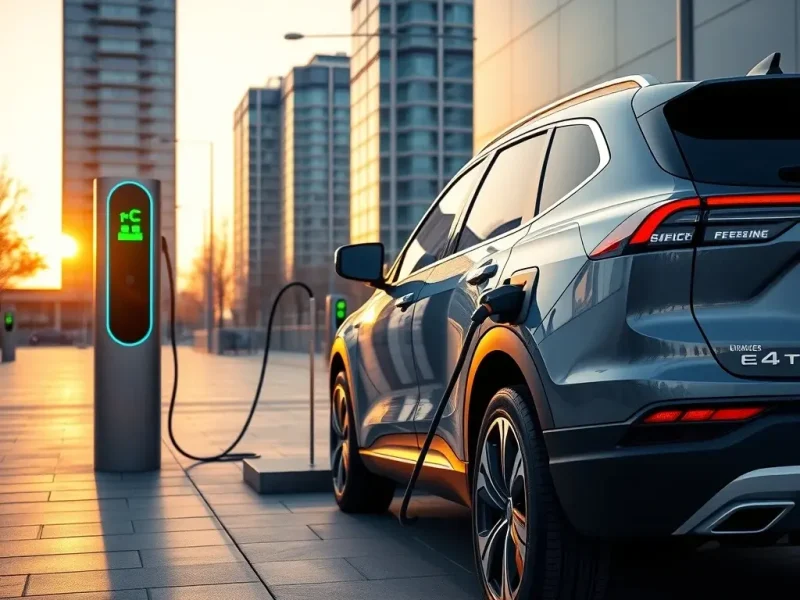
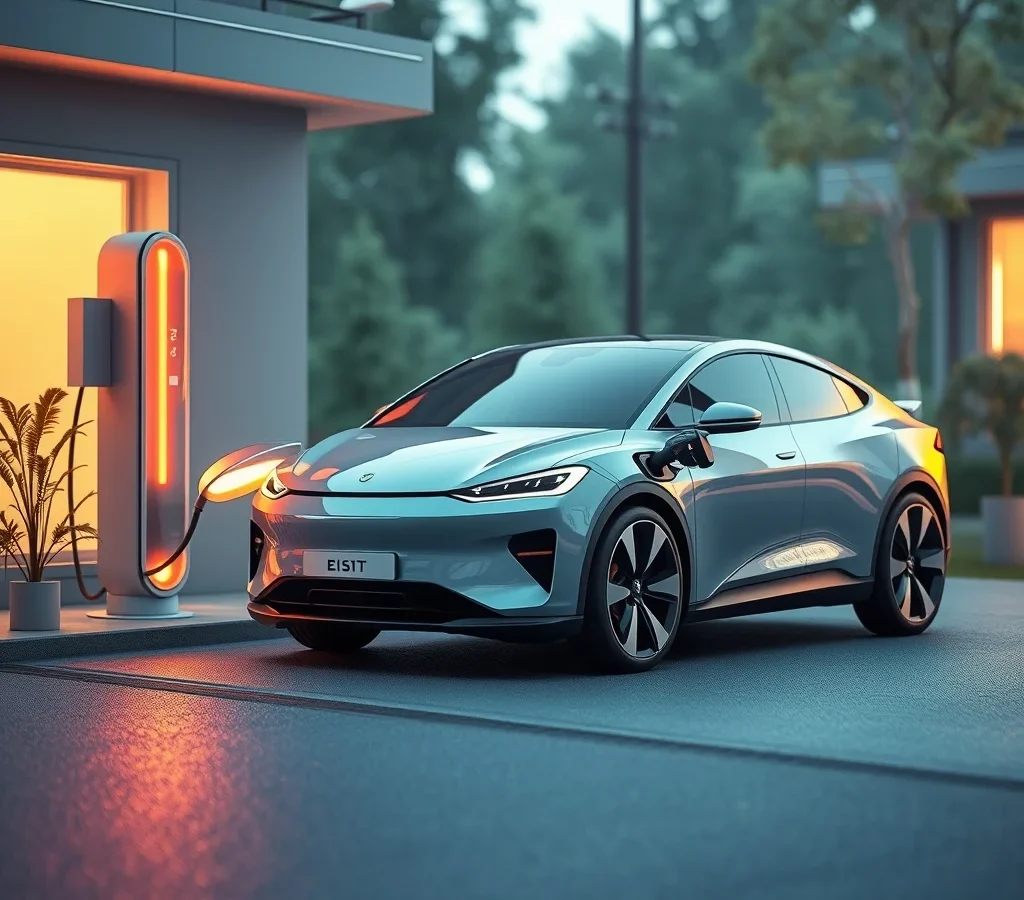
Many EV owners install a Level 2 charging station at home. If your wall charger is damaged, stolen, or vandalized, you need to know which policy covers it. Generally, a permanently installed home charger is covered under your homeowners insurance policy (under dwelling or other structures coverage), while the portable charging cable kept in your trunk is covered under your auto insurance policy’s comprehensive coverage.
3. Specialized Roadside Assistance
Running out of fuel in a gas car is a simple fix; a roadside service provider can bring you a gallon of gas. Running out of charge in an EV is more complicated. Ensure your roadside assistance package includes flatbed towing to the nearest charging station. Standard tow trucks can damage an EV’s regenerative braking system, making a flatbed tow truck absolute necessity.
Comparison: EV Insurance vs. Traditional Gas Car Insurance
To help visualize the differences, the table below outlines how key aspects of insurance differ between electric vehicles and traditional internal combustion engine (ICE) vehicles.
| Feature | Electric Vehicle (EV) Insurance | Traditional Gas Car Insurance |
|---|---|---|
| Average Premium Cost | Generally 15% to 25% higher | Standard baseline rates |
| Most Expensive Component | Lithium-ion battery pack ($5,000 – $20,000) | Engine or transmission ($3,000 – $8,000) |
| Repair Shop Availability | Limited; requires manufacturer-certified facilities | Widely available; any standard mechanic |
| Roadside Out-of-Power Solution | Requires flatbed towing to a charging station | Requires a quick fuel delivery on the roadside |
| Home Equipment Coverage | Split between auto and homeowners insurance | Not applicable |
How to Lower Your Electric Vehicle Insurance Premiums
While insuring an electric car can be more expensive, there are several practical strategies you can use to lower your premiums without sacrificing essential coverage:
- Ask for Green Vehicle Discounts: Many major insurance carriers offer specialized discounts simply for driving an alternative fuel or hybrid vehicle. Be sure to ask your provider if they offer an eco-friendly discount.
- Leverage Telematics Programs: If you are a safe driver, enrolling in a usage-based insurance (UBI) program can yield significant savings. These programs track your driving habits—such as braking, acceleration, and speed—via a mobile app or plug-in device to calculate your rate.
- Bundle Your Policies: One of the easiest ways to save is to bundle your electric vehicle insurance with your homeowners, renters, or umbrella insurance policies. Most carriers offer multi-policy discounts ranging from 10% to 25%.
- Adjust Your Deductibles: Raising your comprehensive and collision deductibles (for example, from $500 to $1,000) will immediately lower your monthly premium. Just ensure you have enough savings set aside to pay the higher deductible if you need to file a claim.
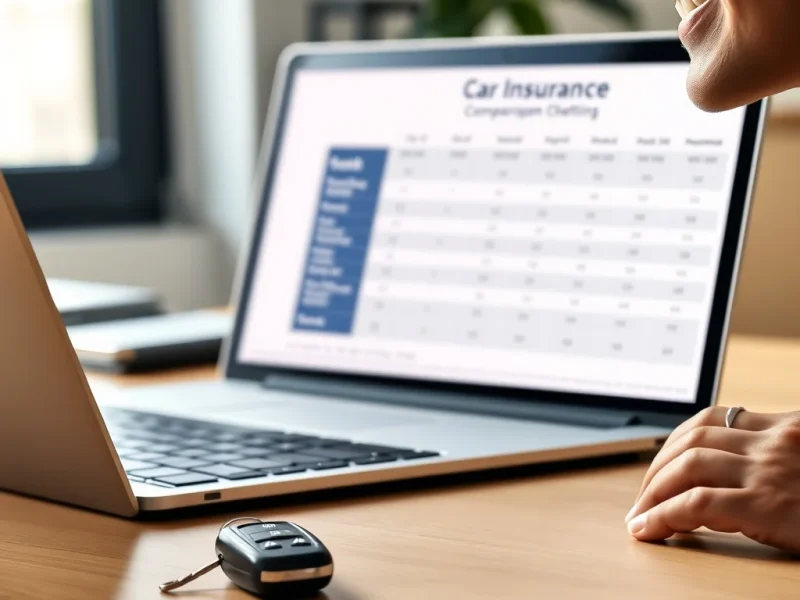
- Shop Around and Compare Quotes: Insurance companies weigh EV risks differently. A carrier that is expensive for one EV model might be highly competitive for another. Always compare quotes from at least three different insurers before making a final decision.
Common Mistakes to Avoid When Insuring an EV
Avoiding these common pitfalls can save you thousands of dollars in out-of-pocket expenses and prevent claim denials:
- Assuming Your Homeowners Policy Automatically Covers Everything: Never assume your home insurance will cover a stolen portable charging cable or damage to a wall charger without verifying your policy limits and deductibles first.
- Neglecting to Disclose Commercial Use: If you use your EV for ridesharing (like Uber or Lyft) or delivery services, a standard personal auto policy will not cover you. You must add a rideshare endorsement to avoid having your claims denied.
- Buying a Vehicle Without Getting Quotes First: EV insurance rates vary wildly by model. High-performance models or vehicles with carbon-fiber construction (like the Tesla Model S or Audi e-tron) cost significantly more to insure than budget-friendly models like the Chevrolet Bolt or Nissan Leaf. Always get a quote before signing the purchase agreement.
Expert Tips
- Review the Manufacturer’s Warranty: Before purchasing separate battery coverage, check the manufacturer’s warranty. Most EV manufacturers cover the battery pack against degradation and defects for 8 years or 100,000 miles.
- Consider Gap Insurance: Because electric vehicles can depreciate quickly due to rapid technological advancements and federal tax incentives, you could easily owe more on your auto loan than the vehicle is worth. Gap insurance will cover this difference if your EV is totaled.
- Maintain a Clean Driving Record: Because EV premiums start at a higher baseline, any speeding tickets or at-fault accidents will cause your rates to spike more dramatically than they would with a gas car.
Frequently Asked Questions
Why is electric vehicle insurance more expensive than gas car insurance?
Electric vehicle insurance is typically more expensive because EVs cost more to repair and replace. The high cost of lithium-ion battery packs, the need for specialized repair facilities, and the expensive sensor arrays used in EV safety systems all contribute to higher claim payouts for insurance companies.
Does standard auto insurance cover my EV battery?
Yes, standard comprehensive and collision coverages will cover your EV battery if it is damaged in a covered incident, such as a collision, fire, flood, or vandalism. However, standard insurance does not cover battery wear and tear, gradual degradation, or mechanical failure.
Is my home wall charger covered under car insurance?
Generally, no. A permanently installed home charging station is considered part of your residential property and is typically covered under your homeowners insurance policy. However, portable charging cables that you keep in your vehicle are usually covered under the comprehensive portion of your auto insurance policy.
Do insurance companies offer discounts for electric vehicles?
Yes, many major insurance providers offer “green vehicle” or “alternative fuel” discounts to encourage eco-friendly driving. Additionally, EV owners can qualify for standard discounts such as multi-policy bundling, safe driver discounts, and paperless billing.
What happens if my EV runs out of battery on the road?
If your EV runs out of power, standard roadside assistance packages with EV-specific coverages will send a flatbed tow truck to transport your vehicle to the nearest charging station. Some specialized roadside services now carry mobile fast-charging trucks that can give you enough range to reach a station on your own.
Are electric vehicles more expensive to repair after an accident?
Yes, EVs are generally more expensive to repair. They require specialized technicians certified in high-voltage safety, and the parts—particularly the battery pack and advanced driver-assistance sensors—are costly and often must be sourced directly from the original equipment manufacturer (OEM).
Does my EV’s instant torque affect my insurance rates?
Indirectly, yes. Insurers track accident data across different vehicle models. Vehicles with high acceleration capabilities and instant torque sometimes show higher accident frequencies, which can lead to higher insurance premiums for those specific high-performance models.
Can I get usage-based insurance for an electric vehicle?
Absolutely. Most major insurance companies offer telematics or usage-based insurance programs for EVs. These programs monitor your driving habits through an app or your vehicle’s built-in connectivity, allowing safe, low-mileage EV drivers to secure substantial discounts.
Conclusion
Transitioning to an electric vehicle is an exciting step toward sustainable driving, but it requires a clear understanding of how your insurance needs will change. While the advanced technology and high-value components of EVs can lead to higher insurance premiums, being proactive can help you keep these costs manageable. By choosing the right coverage options, protecting your charging equipment, and actively seeking out green vehicle and telematics discounts, you can protect your investment without breaking the bank. Before you finalize your next EV purchase, make sure to shop around and compare quotes to find the best policy for your needs.