
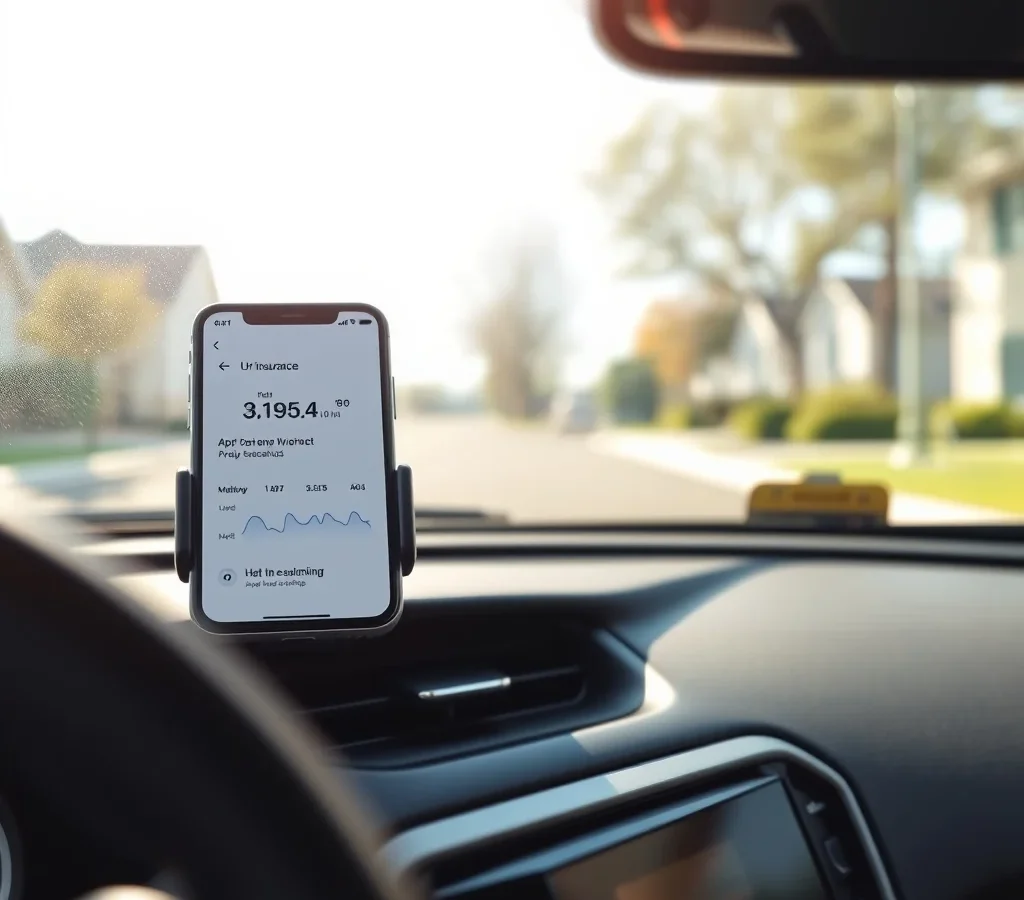

For generations, traditional car insurance has operated on a flat-rate system. Drivers pay a fixed monthly or semi-annual premium, regardless of whether they drive five miles a week or five hundred. However, as remote work remains a permanent fixture for millions and urban transit options expand, many vehicles spend more time sitting in driveways than navigating the open road. If your car is parked most of the week, you are likely overpaying for your auto coverage.
Enter pay-per-mile car insurance, a modern, usage-based alternative designed to align your insurance costs directly with your actual road time. By shifting the financial model from a fixed cost to a variable, mileage-based structure, this type of coverage offers a compelling way to lower your annual expenses. In this comprehensive guide, we will break down how pay-per-mile insurance works, compare it to traditional policies, analyze the pros and cons, and help you determine if it is the right financial move for your lifestyle.
Table of Contents
- What Is Pay-Per-Mile Car Insurance?
- How the Pricing Model Works
- Pay-Per-Mile vs. Traditional Insurance
- Who Benefits Most from This Coverage?
- The Pros and Cons of Pay-Per-Mile Plans
- Top Pay-Per-Mile Insurance Providers
- Expert Tips for Maximizing Your Savings
- Common Mistakes to Avoid
- Frequently Asked Questions
- Conclusion and Next Steps
What Is Pay-Per-Mile Car Insurance?
Pay-per-mile car insurance, also known as usage-based insurance (UBI) or mile-by-mile insurance, is a policy type where your premium is directly calculated based on how many miles you drive. Unlike traditional insurance policies that estimate your annual mileage at the start of the term, pay-per-mile policies track your actual odometer readings in real time.
This coverage relies heavily on telematics technology. Telematics involves transmitting data from your vehicle to your insurance provider. This is typically done using a small device plugged into your car’s OBD-II port (usually located under the dashboard) or via a proprietary smartphone app that tracks motion and GPS data. Some newer, connected vehicles can transmit this mileage data directly to the insurer without requiring external hardware.
It is important to distinguish pay-per-mile insurance from behavior-based insurance. While behavior-based programs monitor *how* you drive (tracking metrics like hard braking, rapid acceleration, and cornering speeds), pure pay-per-mile insurance primarily focuses on *how much* you drive. However, some modern insurers are beginning to blend both models to offer even deeper discounts for safe driving habits.
How the Pricing Model Works
The pricing structure of a pay-per-mile insurance policy is straightforward and consists of two primary components: a monthly base rate and a per-mile rate.
- The Monthly Base Rate: This is a flat fee you pay every month, regardless of whether you drive the car or not. This rate secures your vehicle against non-driving risks, such as theft, vandalism, weather damage, or accidents that occur while the car is parked. Your base rate is determined by traditional insurance factors, including your age, driving record, location, vehicle make and model, and credit history.
- The Per-Mile Rate: This is a fixed fee charged for every mile you actually drive during the billing cycle. This rate is typically a few cents per mile (usually ranging from 2 to 10 cents). At the end of the month, your total miles driven are multiplied by this rate, and the sum is added to your base rate to calculate your final monthly bill.
To see how this works in practice, let us look at a simple mathematical example. Imagine your insurer sets your monthly base rate at $35 and your per-mile rate at $0.06. If you have a low-commute month and only drive 300 miles, your total premium for that month would be calculated as follows:
Base Rate ($35) + (300 miles x $0.06 = $18) = $53 Total Monthly Premium
If you have a busier month and drive 800 miles, your premium would adjust accordingly:
Base Rate ($35) + (800 miles x $0.06 = $48) = $83 Total Monthly Premium
Pay-Per-Mile vs. Traditional Insurance
Choosing between these two models depends on your driving frequency. The table below highlights the key structural and operational differences between pay-per-mile and traditional flat-rate policies.
| Feature | Pay-Per-Mile Insurance | Traditional Car Insurance |
|---|---|---|
| Pricing Structure | Base rate + variable per-mile fee | Fixed monthly or semi-annual premium |
| Tracking Method | OBI-II device, mobile app, or connected car integration | Self-reported annual estimates |
| Best Suited For | Low-mileage drivers (under 8,000 miles/year) | Commuters and high-mileage drivers |
| Cost Predictability | Fluctuates monthly based on usage | Highly predictable and consistent |
| Privacy Level | Requires active data sharing/tracking | No ongoing location or mileage tracking |
| Coverage Options | Full coverage (Liability, Comprehensive, Collision) | Full coverage (Liability, Comprehensive, Collision) |
Who Benefits Most from This Coverage?
The Federal Highway Administration reports that the average American drives roughly 13,500 miles per year. If your annual mileage falls significantly below this average, you are prime candidate for pay-per-mile savings. Generally, drivers who clock fewer than 8,000 miles per year stand to save the most money by switching to a mileage-based structure.
Several specific demographics and lifestyles are uniquely positioned to benefit from pay-per-mile car insurance:
- Remote and Hybrid Workers: If your daily commute has been replaced by a walk to your home office, your vehicle likely spends most of its time parked, making flat-rate premiums highly inefficient.
- Retirees: Seniors who no longer commute to work daily and primarily use their vehicles for local errands or social visits often see dramatic premium reductions.
- Public Transit Commuters: City dwellers who rely on trains, subways, or buses for their daily commutes and only use their personal vehicles on weekends or for occasional trips are ideal candidates.
- College Students: Students who leave their cars parked on campus for weeks at a time or leave their vehicles at home while attending school out of state can save substantially.
- Multi-Vehicle Households: Families with a secondary vehicle that is rarely driven, such as a weekend pickup truck or a recreational car, can optimize their household insurance budget by putting the low-use vehicle on a pay-per-mile plan.
The Pros and Cons of Pay-Per-Mile Plans
While the financial appeal of pay-per-mile insurance is clear, it is essential to weigh both the benefits and potential drawbacks before making the switch.
The Advantages
- Direct Financial Control: You have the power to actively lower your monthly expenses. If you want to save money in a given month, you can choose to walk, bike, or carpool instead of driving.
- Fairer Pricing for Low-Mileage Drivers: You are no longer subsidizing the risk of high-mileage drivers who spend hours on congested highways every day.
- Identical Coverage Quality: Pay-per-mile policies offer the exact same coverage options as traditional policies, including bodily injury liability, property damage liability, collision, comprehensive, and uninsured motorist coverage.
- Encourages Eco-Friendly Habits: Because every mile has an explicit cost attached to it, drivers are naturally incentivized to drive less, reducing their overall carbon footprint.
The Disadvantages
- Privacy Concerns: Many drivers are uncomfortable with the idea of a device or smartphone app continuously tracking their location, trips, and driving habits.
- Unpredictable Monthly Expenses: Your monthly budget will fluctuate. Holiday travel, unexpected road trips, or family emergencies can lead to a surprisingly high bill at the end of the month.
- Not Cost-Effective for High-Mileage Drivers: If you commute long distances daily, a pay-per-mile policy can quickly become far more expensive than a traditional flat-rate policy.
- Technical Glitches: Telematics devices can occasionally lose signal or experience software errors, which may require troubleshooting with customer service to ensure accurate mileage reporting.
Top Pay-Per-Mile Insurance Providers
As demand for flexible insurance options grows, several major insurance companies and specialized insurtech startups have developed robust pay-per-mile programs. Here are some of the leading providers in the market today:
- Mile Auto: Operating on a strict privacy-first model, Mile Auto does not use GPS tracking or smartphone apps. Instead, drivers take a photo of their odometer once a month and upload it via a secure link to verify their mileage.
- Nationwide SmartMiles: This program offers a traditional pay-per-mile structure with a daily base rate and a per-mile rate. Notably, Nationwide features a road trip exception that caps your daily mileage charge at 250 miles, protecting you from massive premium spikes on long journeys.
- Allstate Milewise: Allstate’s program uses a small OBD-II device to track mileage. It offers flexibility by allowing users to choose between a weekly or monthly billing cycle and integrates seamlessly with Allstate’s standard customer service and claims networks.
- Lemonade Car (formerly Metromile): As a pioneer in the pay-per-mile space, Lemonade Car uses a plug-in device to measure mileage. They offer highly competitive base rates and an intuitive app that includes vehicle diagnostics and street sweeping alerts in select cities.
Expert Tips for Maximizing Your Savings
If you decide to transition to a pay-per-mile policy, keep these expert recommendations in mind to ensure you get the absolute most value out of your new coverage:
- Track Your Current Mileage First: Before signing up, spend two to three weeks logging your daily mileage or review your vehicle’s service records to calculate your true monthly and annual average. Do not rely on guesses, as people often underestimate how much they actually drive.
- Understand the Daily Cap: Always ask prospective insurers about their daily mileage cap. If you plan an occasional road trip, a policy that caps daily mileage charges at 150 or 250 miles will prevent a single long-distance vacation from wiping out your annual savings.
- Review the Privacy Policy: Read the fine print regarding how your telematics data is used. Ensure the company does not sell your driving data to third-party marketing firms and clarify whether they track only mileage or also monitor driving behaviors like speed and braking.
- Combine with Traditional Discounts: Just because your policy is pay-per-mile does not mean you cannot leverage traditional discounts. Ask about bundling discounts (combining auto with home or renters insurance), paperless billing discounts, and multi-vehicle savings.
Common Mistakes to Avoid
Switching to a new insurance model can sometimes lead to unexpected pitfalls. Avoid these common mistakes to keep your experience seamless and cost-effective:
- Underestimating Your Future Mileage: Assuming your driving habits will remain permanently low can backfire. If you plan to return to an in-office job or start a new hobby that requires frequent travel, calculate whether a traditional policy would be safer.
- Unplugging the Telematics Device: Intentionally unplugging your tracking device to