
Rising auto insurance premiums have left many drivers searching for creative ways to lower their monthly bills. If you have excellent driving habits or rarely use your vehicle, traditional rating systems might feel unfair. This is where usage-based car insurance enters the picture, promising customized rates based on how you actually drive rather than just your demographic profile.
Usage-based insurance (UBI) programs, often marketed under names like “pay-how-you-drive” or “pay-per-mile,” utilize advanced telematics technology to monitor your real-time behavior behind the wheel. While the promise of saving up to 40% on your premiums is highly appealing, these programs are not a one-size-fits-all solution. Let us explore how these programs work, what they track, and how to decide if making the switch is the right financial move for you.
What Is Usage-Based Car Insurance?
Traditional car insurance relies heavily on generalized risk factors. Insurers look at your age, ZIP code, credit history, vehicle make, and driving record to estimate how likely you are to file a claim. While effective for actuarial tables, this method sometimes penalizes safe drivers who happen to fall into higher-risk demographics.
Usage-based car insurance shifts the focus from who you are to how you drive. By installing a small device in your car or downloading a mobile app, you allow your insurance company to collect driving data directly from your vehicle. If the data proves you are a cautious, low-risk driver, the insurer rewards you with a personalized discount.
How Telematics Technology Tracks Your Driving
The core of any usage-based program is telematics. This technology blends telecommunications and vehicular informatics to transmit data over wireless networks. Insurers typically collect this data through one of three methods:
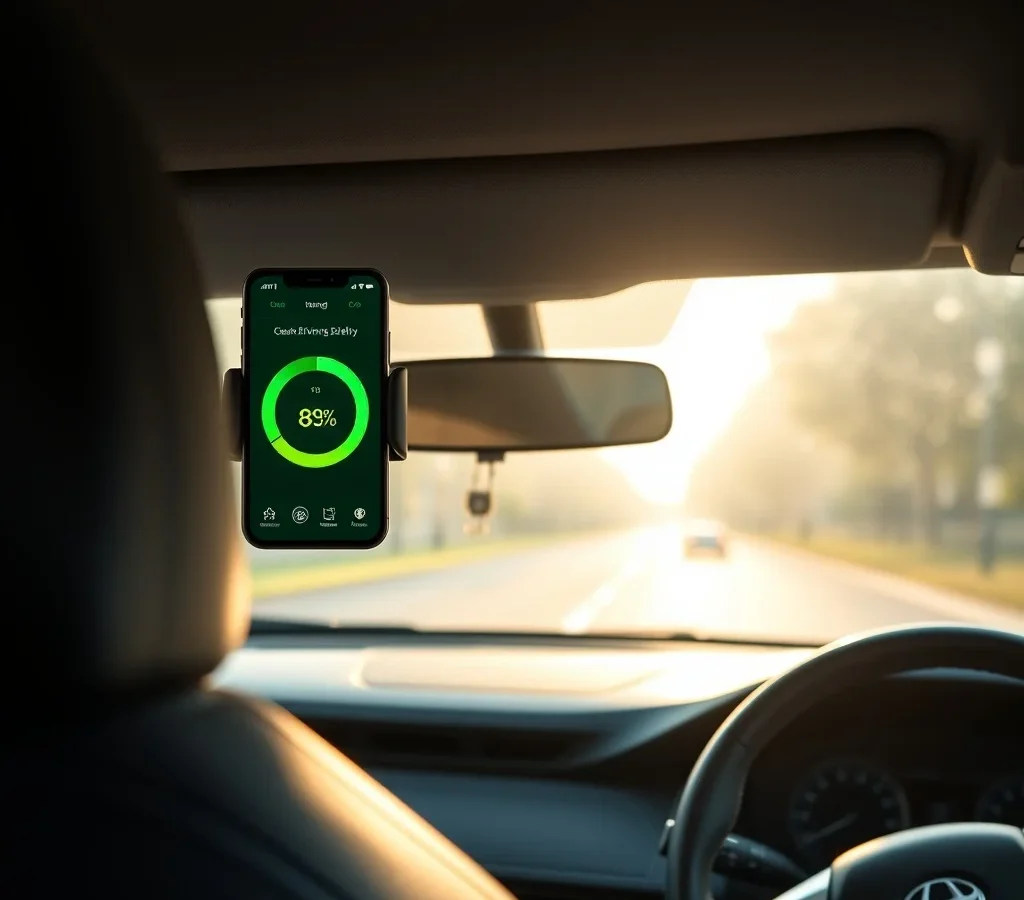
- Mobile Smartphone Apps: The most common method today. The insurer’s app uses your phone’s GPS, accelerometer, and gyroscope to detect movement, speed, and phone distraction.
- OBD-II Devices: A small device plugged directly into your car’s On-Board Diagnostics port (usually located under the steering wheel). This hardware reads data directly from your vehicle’s internal computer.
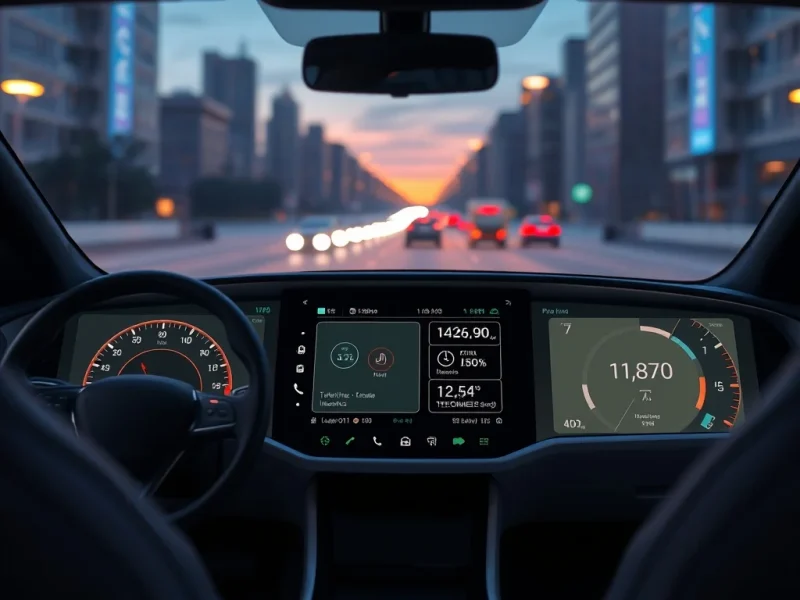
- Built-In Manufacturer Telematics: Modern connected vehicles, such as those equipped with OnStar or Tesla’s built-in systems, can share driving data directly with partner insurers without requiring external hardware or apps.
The Difference Between Pay-How-You-Drive and Pay-Per-Mile
It is important to distinguish between the two primary types of usage-based car insurance:
Pay-How-You-Drive (PHYD): This model focuses on your driving behavior. The insurer monitors driving metrics to determine how safely you operate your vehicle. Your discount is calculated based on safe driving scores.
Pay-Per-Mile: This model focuses strictly on distance. You pay a flat daily or monthly base rate, plus a few cents for every mile you actually drive. Your driving behavior (like braking or speeding) usually does not affect this rate; only the odometer reading matters. This is ideal for remote workers, retirees, or multi-vehicle households.
Key Factors Tracked by Telematics Programs
Before enrolling in a telematics program, you should understand exactly what data is being collected. While every insurance company uses a proprietary algorithm, most track a standard set of driving behaviors:
- Hard Braking and Rapid Acceleration: Frequent, sudden stops and aggressive starts suggest tailgating or distracted driving, which are major indicators of future claim risks.
- Speeding: Consistently driving above posted speed limits or traveling at excessive speeds (usually over 80 mph) will negatively impact your safety score.
- Time of Day: Driving during high-risk hours, typically between midnight and 4:00 AM, is statistically linked to more severe accidents. Programs often penalize late-night driving.
- Total Mileage: The less time you spend on the road, the lower your statistical chances of getting into an accident.
- Phone Distraction: Many app-based programs track whether you unlock, tap, or move your phone while the vehicle is in motion.
Comparing Popular Usage-Based Car Insurance Programs
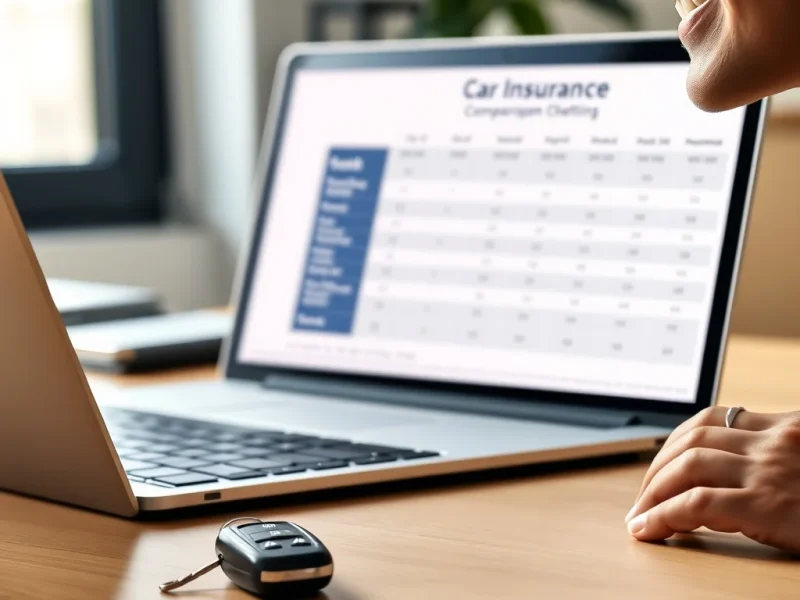
Most major national auto insurance carriers offer some form of usage-based tracking. The table below compares some of the most popular programs currently available in the market:
| Program Name | Tracking Method | Advertised Max Discount | Can Rates Increase? |
|---|---|---|---|
| Progressive Snapshot | Mobile App or Plug-in Device | Up to 30% | Yes, high-risk driving can increase premiums |
| State Farm Drive Safe & Save | Mobile App & Bluetooth Beacon | Up to 30% | No, only discounts are applied (in most states) |
| Allstate Drivewise | Mobile App | Up to 40% | No, safe driving only lowers premiums |
| Nationwide SmartRide | Mobile App or Plug-in Device | Up to 40% (Discount is locked in) | No, rates will not rise due to poor habits |
How Much Can You Actually Save?
While marketing materials frequently highlight maximum savings of 30% to 40%, the average driver typically sees more modest results. According to industry data, average savings for participants who successfully complete a monitoring period range between 10% and 15%.
To maximize your savings, you must consistently exhibit low-risk behaviors. If you have a short commute, avoid driving late at night, and actively avoid sudden stops, you are highly likely to secure a substantial discount. However, if your daily commute involves heavy stop-and-go traffic, you may find it difficult to maintain a high score due to unavoidable hard braking events.
Expert Tips for Maximizing Your Telematics Discount
If you decide to try a usage-based car insurance program, use these expert strategies to maximize your potential savings:
- Increase your following distance: Maintaining a three-to-four-second gap between your car and the vehicle ahead gives you plenty of time to slow down gradually, virtually eliminating hard braking flags.
- Avoid late-night trips: If possible, minimize driving between midnight and 4:00 AM. If you must travel during these hours, consider carpooling or using a ride-share service.
- Mount your phone securely: App-based telematics can mistake physical movement of the phone (like shifting it in a cup holder) for active distracted driving. Use a sturdy dashboard mount and avoid touching the screen while driving.
- Monitor your family’s habits: If you have a multi-car policy, every driver on the policy must participate to get the maximum discount. Coach teen drivers on safe habits before enrolling them.
Common Mistakes to Avoid with Usage-Based Insurance
Many drivers sign up for telematics programs without understanding the potential pitfalls. Avoid these common mistakes:
- Assuming your rate can never go up: While some insurers promise your rates won’t rise, others (like Progressive Snapshot) reserve the right to increase your premiums if the data reveals aggressive driving habits.
- Ignoring mobile battery and data usage: App-based tracking relies on GPS, which can drain your smartphone’s battery quickly. Keep a charger in your car and ensure your data plan can support background tracking.
- Failing to classify passenger trips: If you are a passenger in a friend’s car or riding on public transit, the app might still record the trip as you driving. Regularly review your trip history in the app and mark non-driving trips correctly.
- Forgetting to complete the monitoring period: Some programs require you to keep the app active or the device plugged in for a set number of days (usually 90 to 180 days) to lock in your discount. Uninstalling the app early could strip away your progress.
Frequently Asked Questions
What is usage-based car insurance?
Usage-based car insurance is a type of auto coverage that calculates your premiums based on real-time driving data. Insurers collect this data using mobile apps, plug-in OBD-II devices, or built-in vehicle telematics to assess your safety habits and apply personalized discounts.
Can my rates go up if I have bad driving habits?
It depends on the insurance company. Some insurers, like Progressive, may increase your premiums if the telematics data shows high-risk habits like extreme speeding or frequent hard braking. Other insurers, like State Farm and Nationwide, guarantee that poor driving will not raise your base rate.
What data do insurance companies track?
Most telematics programs track vehicle speed, acceleration rates, hard braking events, mileage, time of day, and phone distraction. They do not track your specific location for disciplinary purposes, but they use GPS to determine speed and distance traveled.
Does usage-based insurance drain my phone battery?
Because telematics apps run in the background and use your phone’s GPS and sensors to detect motion, they can consume more battery power than standard apps. It is highly recommended to keep your phone plugged into a car charger during longer trips.
Is my driving data shared with third parties or police?
Insurance companies generally state in their privacy policies that they do not share your driving data with third parties or law enforcement unless required by a subpoena, court order, or to resolve a specific insurance claim dispute.
Can I opt out of a telematics program if I don’t like it?
Yes, you can opt out of a usage-based program at any time. If you decide the tracking is too intrusive or you are not receiving a sufficient discount, you can simply uninstall the app or return the OBD-II device, though you will lose any pending discounts.
Is usage-based insurance good for high-mileage drivers?
High-mileage drivers may not benefit as much from usage-based programs, as total time on the road increases accident exposure. However, if you drive long distances but do so safely, you can still earn discounts based on behavior, though a pay-per-mile program would not be suitable.
What is the difference between pay-per-mile and pay-how-you-drive?
Pay-per-mile insurance charges you based strictly on the distance you travel, consisting of a low base rate plus a per-mile fee. Pay-how-you-drive insurance monitors your actual habits, such as braking, speed, and focus, to determine a behavioral discount on your standard premium.
Conclusion
Usage-based car insurance offers a modern, personalized alternative to traditional auto insurance rating methods. For safe, low-mileage drivers, telematics programs represent an excellent opportunity to take control of insurance costs and secure meaningful discounts. However, if you frequently drive late at night, navigate heavy stop-and-go traffic, or value absolute privacy, a traditional policy may still be your best option. To find the best fit, compare quotes from multiple carriers and weigh the potential savings against your personal driving habits.
Ready to see if you can save on your premium? Contact your current insurance provider to ask about their telematics options, or compare rates online to find a usage-based program tailored to your lifestyle.