
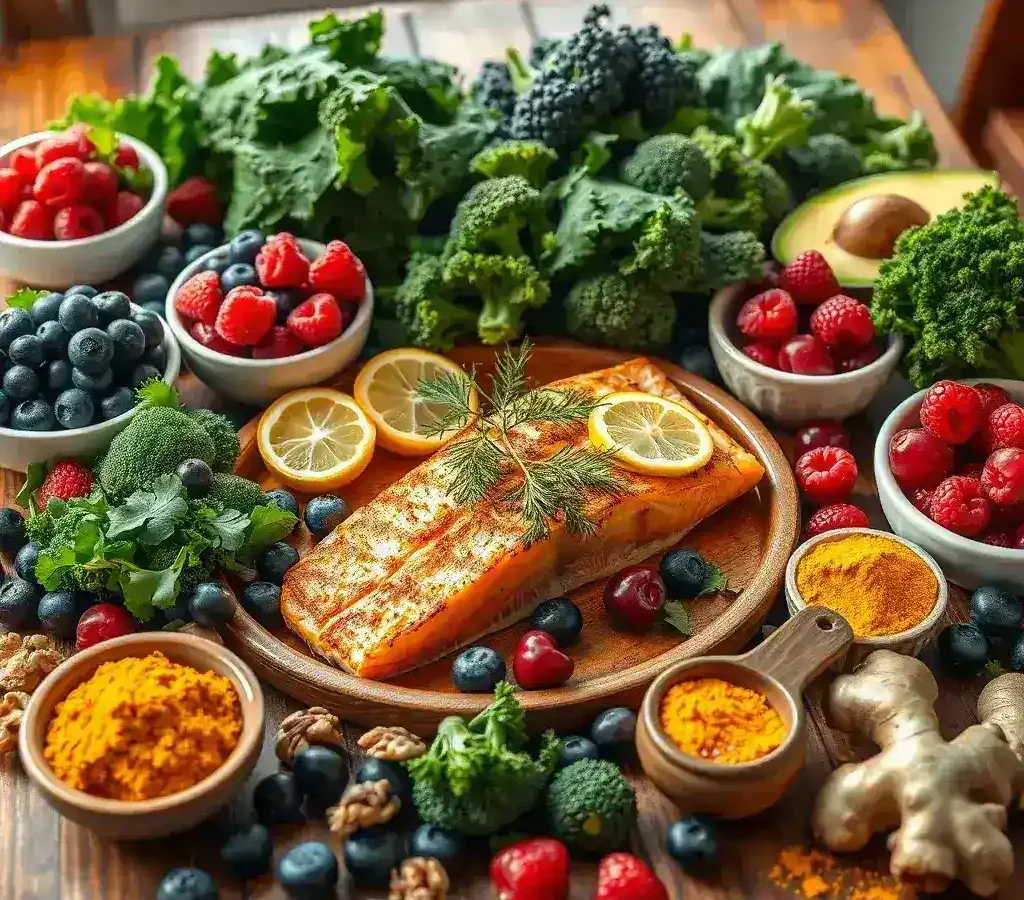

In the modern wellness landscape, few topics command as much attention as inflammation. While acute inflammation is a healthy, life-saving response to injury or infection, its chronic, low-grade counterpart is a silent disruptor. Over time, systemic chronic inflammation can quietly damage healthy cells, tissues, and organs, laying the groundwork for many of today’s most common chronic illnesses. Fortunately, one of the most powerful tools to combat this internal fire is not found in a medicine cabinet, but on your dinner plate. Transitioning to a diet rich in anti-inflammatory diet foods is a proactive, scientifically proven way to restore balance and vitality to your body.
Understanding Inflammation and the Power of Food
To understand how certain foods can soothe inflammation, it helps to understand what is happening at a cellular level. Chronic inflammation is often triggered by an overactive immune system, environmental toxins, chronic stress, and, significantly, a diet high in ultra-processed foods, refined sugars, and unhealthy fats. These dietary culprits stimulate the production of inflammatory cytokines and free radicals, which cause oxidative stress and damage cellular structures.
Conversely, the best anti-inflammatory foods work by neutralizing these free radicals and turning down the genetic pathways that trigger the inflammatory response. Nutrient-dense whole foods are packed with vitamins, minerals, dietary fiber, and unique phytochemicals that act as natural defense mechanisms. By shifting the focus of your meals toward these protective ingredients, you can help your body cultivate an environment of healing and resilience.
The Vibrant World of Fruits: Nature’s Antioxidant Powerhouses
When looking for foods that reduce inflammation, the produce aisle is the perfect place to start. Fruits are not only naturally sweet and refreshing, but they are also loaded with highly bioactive compounds that combat oxidative stress.
Berries: Tiny Giants of Inflammation Defense
Blueberries, strawberries, blackberries, and raspberries are among the most potent anti-inflammatory diet foods available. Their deep, rich colors are a visual indicator of their high anthocyanin content. Anthocyanins are a class of flavonoids with exceptional antioxidant properties. Research has shown that these compounds can suppress inflammatory markers like C-reactive protein (CRP) and tumor necrosis factor-alpha (TNF-alpha). Incorporating a cup of fresh or frozen berries into your morning oatmeal, yogurt, or smoothies is an effortless way to flood your system with protective antioxidants early in the day.
Cherries and Citrus: Flushing Out Inflammatory Markers
Tart cherries and sweet cherries alike have earned a reputation for their ability to alleviate inflammatory conditions, particularly gout and joint pain. They contain high levels of catechins and anthocyanins, which help reduce joint soreness and muscle damage after intense exercise. Meanwhile, citrus fruits like oranges, grapefruits, lemons, and limes provide an abundance of vitamin C. This essential vitamin is a powerful antioxidant that supports the immune system and helps regenerate other antioxidants within the body, making citrus a vital component of an anti-inflammatory lifestyle.
Vegetables: The Leafy and Cruciferous Shield
Vegetables form the foundation of any health-promoting diet. They are exceptionally low in calories yet incredibly high in vitamins, minerals, and dietary fiber, making them indispensable for cellular repair and metabolic health.
Dark Leafy Greens: The Chlorophyll Cleanse
Spinach, kale, Swiss chard, and collard greens are nutritional powerhouses. They are rich in carotenoids, such as lutein and beta-carotene, which have been shown to reduce DNA damage and lower inflammation. Additionally, dark leafy greens contain high amounts of vitamin K, a nutrient linked to reduced markers of inflammation throughout the cardiovascular system. Whether sautéed in olive oil, tossed into a crisp salad, or blended into a green beverage, these greens are essential for maintaining systemic health.
Cruciferous Vegetables: Activating Cellular Defense
Broccoli, Brussels sprouts, cabbage, and cauliflower belong to the cruciferous family, famous for their unique sulfur-containing compounds called glucosinolates. When you chew or chop these vegetables, glucosinolates break down into sulforaphane, a compound that has been extensively studied for its powerful anti-inflammatory and anticancer properties. Sulforaphane works by activating a pathway in the body known as Nrf2, which triggers the production of our body’s own antioxidant enzymes. Regular consumption of cruciferous vegetables helps fortify our cells against daily environmental stressors.
Healthy Fats: The Omega-3 Revolution
For decades, dietary fats were wrongfully demonized. Today, we understand that the type of fat we consume plays a monumental role in regulating our inflammatory pathways. While trans fats and excessive omega-6 fatty acids can promote inflammation, omega-3 fatty acids are highly anti-inflammatory.
Fatty Fish: The Direct Source of EPA and DHA
Cold-water fatty fish such as salmon, mackerel, sardines, anchovies, and herring are the premier sources of the long-chain omega-3 fatty acids eicosapentaenoic acid (EPA) and docosahexaenoic acid (DHA). Your body metabolizes these fatty acids into compounds called resolvins and protectins, which actively work to resolve and shut down inflammatory processes. Clinical studies consistently show that individuals who regularly consume fatty fish experience significant reductions in inflammatory markers and a decreased risk of cardiovascular disease, rheumatoid arthritis, and cognitive decline.
Nuts and Seeds: Plant-Based EFAs and Fiber
For those seeking plant-based sources of healthy fats, nuts and seeds are outstanding choices. Walnuts, in particular, are rich in alpha-linolenic acid (ALA), a plant-based omega-3 fatty acid. Chia seeds, flaxseeds, and hemp seeds also boast impressive ALA profiles, alongside a wealth of dietary fiber and magnesium. Magnesium is a critical mineral that many people lack, and low levels have been directly correlated with increased systemic inflammation. A simple sprinkle of ground flaxseeds or a handful of walnuts can elevate the nutritional value of almost any meal.
Whole Grains: Sustained Energy and Gut Health
Unlike refined grains, which can cause rapid spikes in blood sugar and trigger inflammatory cascades, whole grains are complex carbohydrates that digest slowly. Grains like quinoa, brown rice, wild rice, oats, millet, and farro retain their nutrient-dense outer bran and germ layers.
These layers are packed with B vitamins, minerals, and, most importantly, prebiotic fiber. When this fiber reaches the colon, it feeds the beneficial bacteria residing in your gut microbiome. These microbes ferment the fiber to produce short-chain fatty acids (SCFAs) like butyrate. SCFAs play a critical role in maintaining the integrity of the gut barrier, preventing toxins from leaking into the bloodstream and triggering systemic immune reactions. By supporting gut health, whole grains act as a fundamental pillar of an anti-inflammatory diet.
Spices and Herbs: The Flavorful Anti-Inflammatory Boosters
Beyond the macronutrients and main ingredients, the spices and herbs we use to season our food contain some of the highest concentrations of anti-inflammatory compounds in the plant kingdom.
Turmeric and Ginger: Ancient Remedies Backed by Science
Turmeric has been celebrated for centuries in traditional medicine, and modern science has validated its incredible therapeutic potential. The active compound in turmeric, curcumin, is a potent anti-inflammatory agent that rivals some over-the-counter anti-inflammatory medications in its effectiveness, without the unwanted side effects. Because curcumin is not easily absorbed by the body on its own, pairing it with black pepper—which contains piperine—increases its absorption by up to 2,000 percent. Similarly, ginger contains gingerols and shogaols, which have been shown to inhibit the synthesis of pro-inflammatory cytokines, making it highly effective for soothing digestive issues and relieving joint pain.
Other herbs and spices, such as garlic, cinnamon, rosemary, and oregano, also offer significant benefits. Garlic contains sulfur compounds like allicin, which support immune function and reduce arterial inflammation, while cinnamon helps regulate blood sugar levels, keeping inflammatory insulin spikes at bay.
Embracing a lifestyle centered around these nourishing, whole foods is not about adhering to a restrictive, short-term regimen, but rather about cultivating a sustainable, deeply satisfying way of eating. By filling your plate with a colorful spectrum of fruits, vegetables, wholesome grains, clean proteins, and healthy fats, you provide your body with the biological tools it needs to thrive. Every meal becomes an opportunity to quiet the systemic noise of inflammation, protect your cellular health, and invest in a future characterized by energy, mental clarity, and long-term vitality.